

 Posted By
By Donnell Stidhum
Special to Financial Independence Hub
You may think that saving towards retirement is something that can be put off in the future, but as a matter of fact, what happens (or fails to happen) to your savings during your early working years could spell the difference between your retirement savings and failed retirement savings.
One of the most effective tools out there is the 401(k). However, with power, people have responsibility, and regrettably there are a lot of mistakes that are made by beginners that are entirely unnecessary to make. And in the long run it can cost very dearly.
Here are some of the most common 401(k) mistakes beginners make: and how to avoid them.
1.) Not Contributing early enough
It is common and pitiful that most young professionals do not put money into their 401(k) in the belief that they would start the following year when they would have more income and fewer bills. However the greatest benefit of a 401(k) is compounding as you go and the sooner the better.
How to avoid it: Add money to your 401(k) as soon as you can as much as possible (even if it is just 3 per cent of your income). Slowly adding to your payments can change a tremendous amount with time.
2.) Missing out on Employer Match
If your employer offers to match a percentage of your contributions, that’s free money: but many beginners either don’t contribute enough to get the full match or miss it entirely.
How to avoid it: At least contribute sufficient to allow the employer to give full match. E.g. say your company is matching 50% of the first 6% you put in, then you should at least be putting in 6% yourself.
3.) Being unaware of different types of 401(k) accounts
Some 401(k) plans are not equal. Not all beginners are aware that there are various types of 401(k) and most people are not aware that there are different types of 401(k) most popular being Traditional and Roth 401(k)s and that they are quite different in their tax advantages.
- A Traditional 401(k) lowers your taxes now, but you will pay taxes in retirement when you retire.
- A Roth 401(k) is a contribution with after-tax money, which means that money can be taken out at retirement without incurring a tax.
How to avoid it: Educate yourself on the various characteristics of both Traditional and Roth 401(k). A Roth 401(k) may be more sensible to invest in currently, should you anticipate moving to a higher bracket as you get older.
Increased earning means that you may want to consider using a Traditional plan that can max out your current tax liability. There are employers who give both of these, take the time to study what will be suitable to your case.
4.) Cash-Outs when changing Jobs
You may be tempted to cash in your 401(k) balance when you change employment-particularly, when it seems to be a small sum, but rolling over will subject you to taxes, penalties and a serious dent in your future savings.
How to avoid it: Roll your old 401(k) into a plan of your new employer or to an IRA. This is to save yours retirement capital and continue growing it on a tax-deferred basis.
5.) Not reviewing or Rebalancing your Investments
A lot of beginners just set their investment allocation once and never check it again. But markets can change, and your portfolio will have drifted tarnished over time, putting you again at high risk.
How to avoid it: Rebalance your investment portfolio on a yearly basis or more often. If you want a “set it and forget it” option, think about putting money in a target-date fund or seek advice from a financial advisor and create personalized investments according to your needs and your comfort level in risk.
6.) Ignoring Fees
Investments in 401(k) are fraught with fees, and as a new investor, a person may not realize what the fee is or how it can chew into the end product.
How to avoid it: Read the fee disclosures in your plan and use low cost index funds or ETFs where you can. Difference in annual fees 1 per cent implies tens of several thousand throughout a career.
7.) Contributing too little
Even if you’re contributing enough to get the match, that might not be enough for a comfortable retirement. With rising costs of living and healthcare, many people will need more than they expect.
How to avoid it: Aim to gradually increase your contributions. One well-known long-term goal is to save 15 per cent of your paycheck that goes into retirement, including that employer match. Increase your contributions using pay raises without experiencing the strain.
Final Thoughts
A 401(k) might become the strongest asset to your finance but only in case it is managed well. Educating yourself and learning what your retirement options are and by avoiding these mistakes you most frequently make when you are a beginner, will assure you a good background to a secure and enjoyable retirement.
Start small, start smart: and start now.
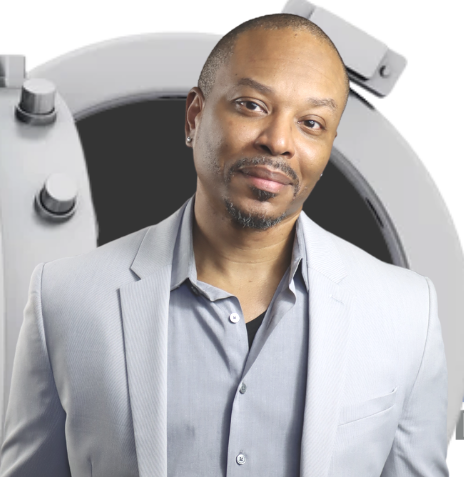
Donnell Stidhum, Private Pension Plan Consultant and Owner of Self Directed Retirement Plans LLC. Retirement strategist creating properly structured self directed plans providing unrestricted investment content.
