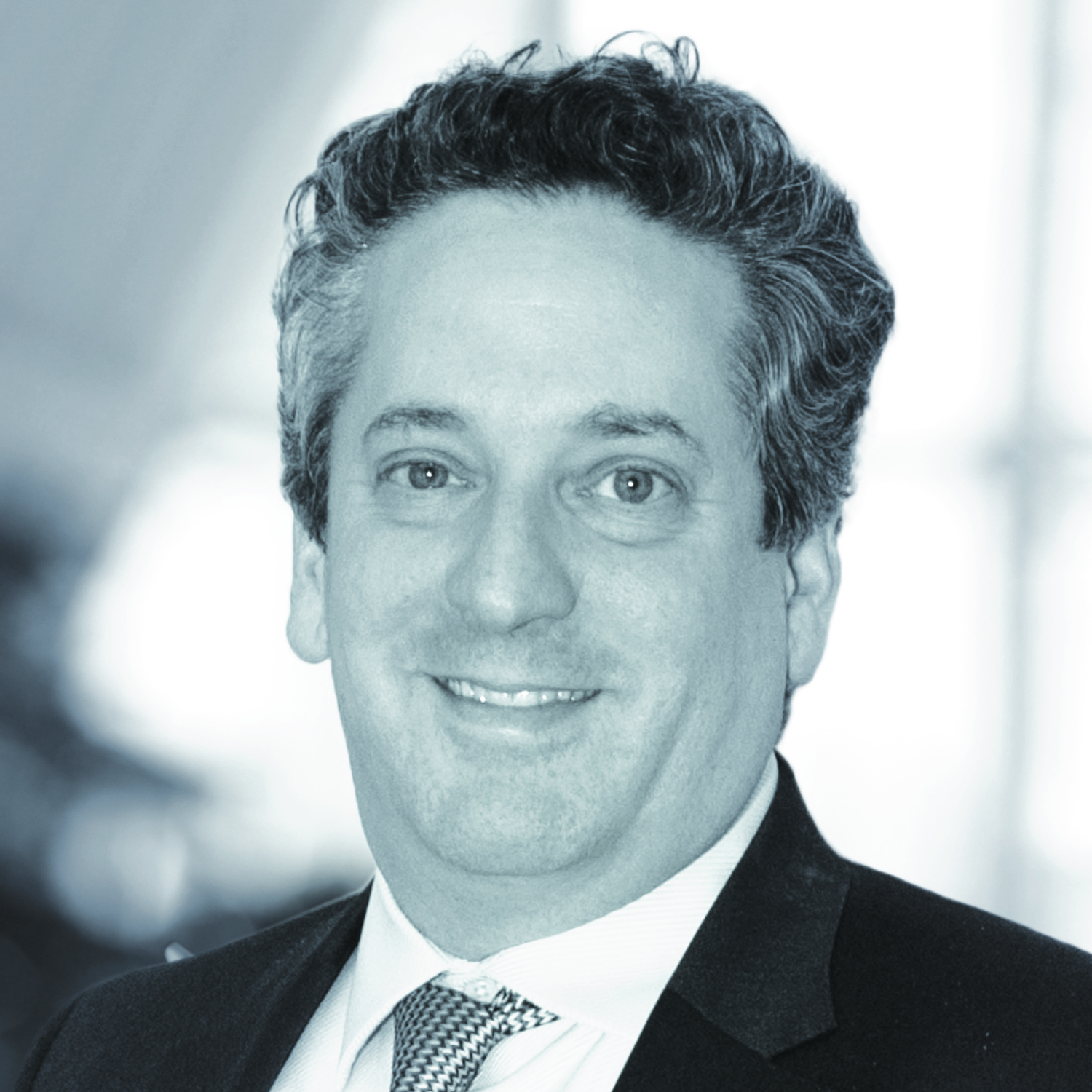
By Noah Solomon
Special to the Financial Independence Hub
While Outcome is not a private equity (PE) firm, we are humble students of markets. As such, we feel compelled to write about the explosive growth in PE investments over the past several years and what this growth implies for the future.
Flavour of the Month
Private equity has certainly had a good run. From 1990 to 2010, PE firms produced an annualized return of 14.4%, compared to 8.1% for the S&P 500 Index. Unsurprisingly, this strong performance has been a lightning rod for inflows. According to Prequin, a leading data provider for alternative investments, global fundraising for PE totaled an unprecedented $453 billion in 2017, topping 2007’s previous record of $414 billion. This avalanche of money has pushed the industry’s dry powder (capital committed that has yet to be deployed) to a record $1 trillion.
Victims of their own success
Owing to unprecedented inflows and low interest rates, there have been large shifts in the financial metrics of the PE industry. According to S&P Global Market Intelligence, average buyout multiples in 2018 climbed to a record 10.2x EBITDA, a level surpassing 2007’s pre-crisis peak.
The potentially ominous implications of huge inflows and increased competition for future returns is well illustrated by the experience of the hedge fund industry. At the beginning of 2000, there were relatively few hedge funds, and the global hedge fund industry had roughly $300 billion under management. Between 2000 and 2007, the HFRX Global Hedge Fund Index produced annualized returns of 9.75%. Even during the “tech wreck” of 2001-2, when the MSCI All Country World Index of stocks fell 33.1%, hedge funds rose an impressive 13.8%. This stellar performance attracted a massive influx of assets from investors and prompted the launch of countless new funds. The resulting increase in competition has had a dramatic impact on results. From the beginning of 2008 through the end of last August, the HFRX Index declined at an annualized rate of -0.5% and has fallen 5.7% on a cumulative basis.
Massive inflows and low rates have also encouraged a dramatic increase in the use of leverage. S&P Global Market Intelligence estimates that buyout debt levels currently stand at about 5.7x EBITDA, up from 3.7x for deals done in 2009 and not far from the 6.05x peak at the height of the buyout boom which preceded the financial crisis.
Stephen Schwarzman, chairman and CEO of the Blackstone Group, recently acknowledged the challenges facing PE firms, stating,” If we were a hockey team, then in the past, with less competition, we used to get 30 shots at the net,” Mr. Schwarzman said in an interview. “Today, we might only get five shots. But most of the time, we are shooting at an open net. We still score, we still win.” In contrast, Mr. Schwarzman predicted thousands of smaller private equity and real estate funds are facing declining returns on their investments, partly because of increased competition for deals.
The history of financial markets echoes with a warning: beware markets where investors are not only bullish but also borrowers.
The Stability illusion
PE funds have exhibited far less volatility than stocks. However, valuations of public equities are determined by transparent, liquid markets, while those of PE-owned companies are typically based on managements’ forecasts of long-term value.
From the end of 2012 to September 30, 2015, the S&P 600 Energy Index dropped 52% as energy prices plummeted over 50%. At the end of this period, PE energy funds from the 2012 vintage were marked at a 1.0x multiple of money invested, recognizing no losses. This shocking difference implies that either (1) PE energy funds are the most astute investors on the planet, or (2) they were applying different valuation standards than the public markets. The CIO of the Public Employee Retirement System of Idaho referred to this discrepancy as the “phony happiness” of private equity.
There will always be room for best-in-class PE investments within a well-diversified portfolio. However, given massive inflows and increased competition, investors should reevaluate risks and adjust their exposures to PE accordingly. Investors should also become increasingly discriminating and target only best in class funds that are disciplined, and which have sustainable investment strategies.
The Million Dollar Question
What should investors do in a world where both private and public assets are either fairly valued or overvalued, and in which interest rates are negative in real terms?
One advantage of public over private markets is that they are highly liquid. Publicly traded assets can be sold quickly and efficiently. However, this liquidity is of no value unless one uses it. Our Global Tactical Allocation (GTAA) strategy makes full use of the liquidity advantage of public securities by tactically shifting between asset classes. When our machine learning-based models indicate that gains are more probable than losses, we shift our portfolio into more pro-cyclical assets such as equities, high yield bonds, etc. Conversely, when our models determine the opposite, we shift out of riskier assets and into safe havens such as investment grade bonds and Treasuries. These characteristics have enabled our clients to participate in rising markets and avoid large losses during significant market declines like those of late 2018.
At this stage in the economic cycle, investors should focus their equity exposure in liquid, dividend-paying, low volatility stocks. Our Enhanced Dividend mandate, which has dramatically outperformed the TSX Index, uses big data analysis and statistical modelling to achieve an attractive yield while exhibiting relatively low volatility and losses.
 Noah Solomon is President and Chief Investment Officer of Outcome Wealth Management. Noah has 20 years of experience in institutional investing.From 2008 to 2016, Noah was CEO and CIO of GenFund Management Inc. (formerly Genuity Fund Management), where he designed and managed data-driven, statistically-based equity funds. Between 2002 and 2008, Noah was a proprietary trader in the equities division of Goldman Sachs, where he deployed the firm’s capital in several quantitatively-driven investment strategies. Prior to joining Goldman, Noah worked at Citibank and Lehman Brothers. Noah holds an MBA from the Wharton School of Business at the University of Pennsylvania, where he graduated as a Palmer Scholar (top 5% of graduating class). He also holds a BA from McGill University (magna cum laude).


 Posted By
  By Gary Bordeaux