Building Wealth

For the first 30 or so years of working, saving and investing, you’ll be first in the mode of getting out of the hole (paying down debt), and then building your net worth (that’s wealth accumulation.). But don’t forget, wealth accumulation isn’t the ultimate goal. Decumulation is! (a separate category here at the Hub).

Can’t cope with market volatility? Try embracing your inner ostrich

Concept of fear with businessman like an ostrichMy latest Financial Post Investing Pro blog is titled Feel Free to Embrace Your Inner Ostrich, as long as you do your homework first.

Seems a common reaction to watching a sea of red on financial terminals is simply not to look at the carnage. And, depending on how you set up your portfolio, this may not be as bad a thing as it may seem.

So says The Stingy Investor’s Norman Rothery. The blog also features a couple of occasional Hub contributors, Steve Lowrie and Aman Raina, both of whom look at the behavioural finance aspects of such “ostrich” behaviour.

EQ Bank: Your new High-interest No-fee Banking Solution

eqbankbanner_HISABy Robb Engen, Boomer & Echo

Special to the Financial Independence Hub

Over the last decade or more Canadian banking customers have had to accept two inevitable truths:  interest rates on savings deposits would plummet and stay at historic lows, and banks would continue to raise fees on everyday bank accounts and services. All of this occurred while Canada’s big five banks hauled in record profits.

Savvy bank customers had to invent complicated workarounds to keep their hard-earned money safe, free of fees, and to earn a decent interest rate. That meant limiting transactions, maintaining high minimum balances, and bouncing from bank-to-bank chasing the latest short-term high-interest rate promotional offers.

If only there were a bank that offered one solution: a hybrid chequing-and-savings account that paid market-leading interest rates with no monthly fee, and no extra charges for moving your money around via e-Transfer or for paying bills.

EQ Bank

Enter EQ Bank – a new digital bank and offshoot of Equitable Bank – with its unique EQ Bank Savings Plus Account. Launched on January 18th, 2016 Continue Reading…

FWB video: Investors are often their own worst enemy

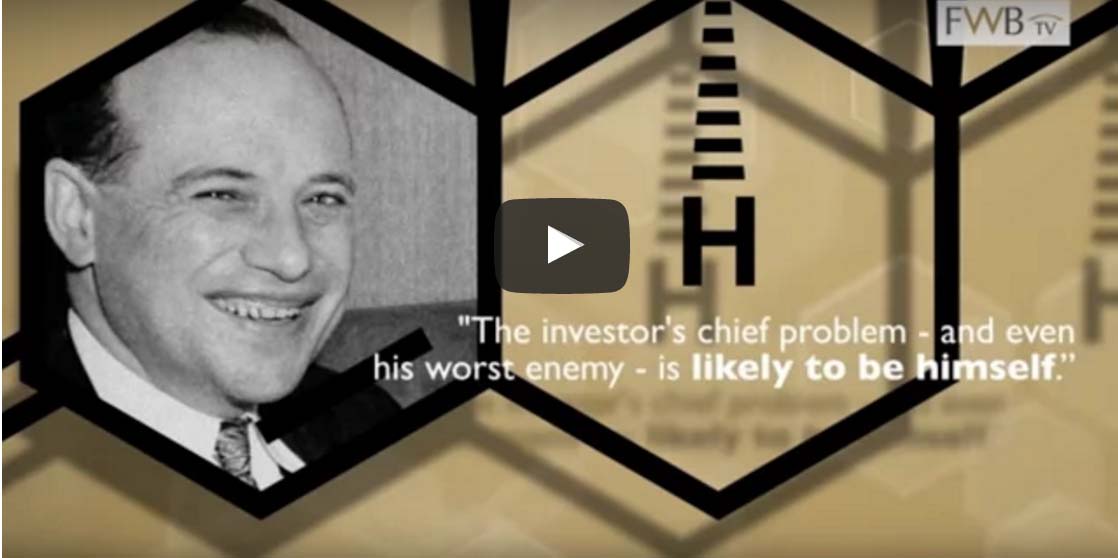
Screen Shot 2016-01-19 at 12.38.01 PM copy(1)
The latest video from FWB TV is available now by clicking here. You can also view all the FWB and SensibleInvesting.TV videos at this new link at Findependence.TV.


If you’re an investor, there’s a good chance the real enemy is the face you see every morning while shaving (or applying makeup!). The pithy quote in the screen shot is of course from legendary value investor Benjamin Graham.

The main point of this 4-minute video is that successful investing is about controlling what you can. You can’t control what the market does, but you can control what you do in response. In our experience, a person’s returns depend less on whether they pick great investments than on whether they can manage their emotions.

One of the experts in the video describes the physiology of stress that investors suffer during — well, times like the past few weeks! In the heat of volatility, particularly the downward variety, our emotions can get the better of us. There’s a reference to a Cambridge University study of 142 students, all male, who were invited to play a game about trading stocks. They found that the more testosterone they found in the subjects, the greater the risks they took on. Such surges of chemicals and emotion can actually affect your perception of the future, and seldom for the better!

Implications for actively managed funds

Since the Evidence-based Investor Videos largely sing the praises of passive or index investing, you might not be too surprised by a statement that this research may have some implications for investors who use actively managed funds. One source asserts that the investment industry is a stress competitive arena and many fund managers tend to be young males. The decisions they make under pressure and stress may cause them to be overconfident about the stock bets they place on your behalf.

The video concludes that investors may benefit by doing business with a rational, use unemotional advisor.

After watching the video if you want to learn more, download the free guide, 12 Essential Ideas For Building Wealth.

How to Win the Loser’s Game, Part 7
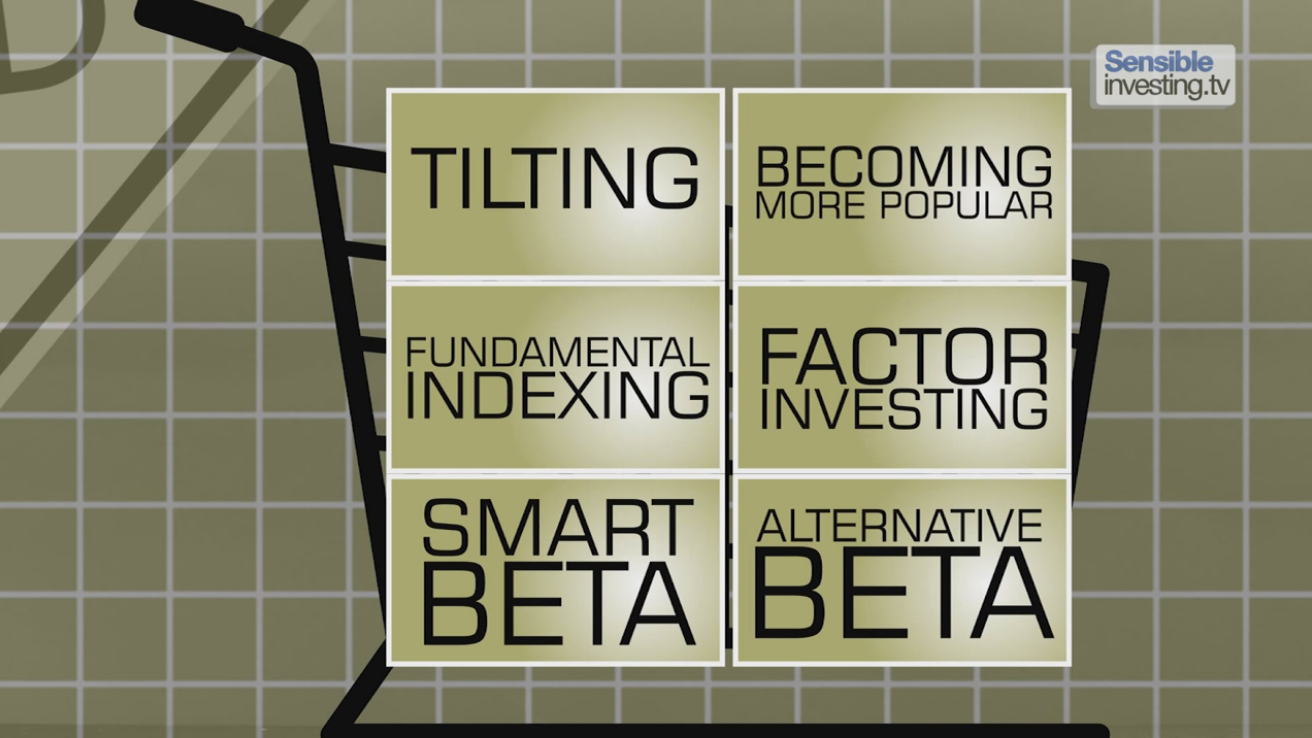
Screen Shot 2016-02-09 at 4.17.07 PMIn addition, SensibleInvesting.TV has put up part 7 of the How to Win the Loser’s Game series of videos. While indexing is a relatively simple way to invest, there are still important questions index investor need to ask. Crucially, they need to ensure they are invested in a diverse range of assets that reflects their attitude to risk. They might also want to “tilt” their portfolios to particular risk factors — small-cap or value stocks, for example. While more volatile, these have been shown to deliver higher returns over the long term.




“Top 10” Early Tax Planning Tips for 2016

David Rotfleisch-03-500W
David Rotfleisch

By David Rotfleisch

Special to the Financial Independence Hub

While tax season for calendar 2015 is just around the corner, the best time to influence your tax position for calendar 2016 is: right now. Here are the “Top 10” early tax planning tips for 2016 to help reduce your tax, contribute to your RRSP, help out family members, and also support your favourite charities.

  1. Adjust Source Deduction amounts

Salaried employees have income tax deducted by their employers from each pay cheque. The amount of these deductions is computed on the assumption that the employee is only entitled to the basic personal exemption. Taxpayers with other exemptions such as children can fill out and give their employers a CRA form TD-1 http://www.cra-arc.gc.ca/E/pbg/tf/td1/README.html showing other deductions to which they are entitled, thereby reducing the amount of taxes that will be deducted at source. For deductions that don’t appear on the TD-1 form, such as spousal support payments or RRSP contributions, form T1213 Request to Reduce Tax Deductions at Source http://www.cra-arc.gc.ca/E/pbg/tf/t1213/README.html can be submitted to CRA.

  1. Contribute to an RRSP as Soon as Possible

While many Canadians contribute to their RRSPs in the first 60 days of the year, the earlier the contribution is made, the more the RRSP benefits from the effects of compounding. If you don’t have a lump sum to make your annual contribution at the start of the year, consider making regular monthly payments. The RRSP limit for 2016 is the lesser of 18 per cent of 2015 earned income or $25,370.

  1. Income Splitting

Continue Reading…

Time to repatriate US dollar gains back into loonie?

The Canadian dollar or loonie is under pressure amid weak oil prices and a strengthening U.S. currency. Today, the loonie dropped to 78.39 cents for a U.S dollar the lowest in a many years.
The Canadian dollar is under pressure amid weak oil prices and a strengthening U.S. currency.

My latest Financial Post blog is titled It might be time to repatriate your US$ investments and book those currency gains.

Actually, the C$ has strengthened of late, so the timing isn’t as opportune as a few weeks ago. After a long period of strength, the US$ has slightly weakened against various global currencies, even against the loonie.

Even so, we’re still a long way from par and it may make sense to book some of the gains, and if the loonie starts to sag further, repeat the process every time it falls 3 cents or so.

See also the following mid-January Hub blog by Adrian Mastracci: Falling Loonie Strategies.