

 Posted By
By Kevin Anseeuw, CFP
Special to Financial Independence Hub
Canada is about to experience an unprecedented transfer of wealth across generations that will transform household balance sheets, life plans, and the role of financial advisors. Experts estimate that roughly $1 trillion will transfer between generations over the next decade, and this shift is discussed weekly.
As someone who advises families across multiple generations, I see three key implications. First, the amount of capital shifting hands is significant, but equally important are the who and the how: younger recipients seek different things than their parents. Second, the timing and structure of transfers (gifts made during life versus testamentary bequests) are driven by family dynamics as much as tax considerations. Third, the industry itself must modernize to stay relevant: advice now goes beyond portfolio selection to include income architecture, behavioral coaching, private-market access, values alignment, and digital delivery. The landscape is changing more quickly than I have experienced in the past 25 years.
Understanding what each generation needs and why they want it is the foundation for giving meaningful advice.
Baby Boomers: stewardship, income, and legacy
Baby Boomers still hold a disproportionate share of wealth in Canada, and their priorities have shifted from accumulation to preservation, predictable income, and legacy planning. The questions they ask are practical and existential: Will I outlive my money? How do I leave a legacy without causing family conflicts? How do taxes and health-care risks affect my plan? In practice, this means structuring retirement income to address longevity risk, incorporating tax-efficient solutions, and creating estate plans that minimize friction at death.
At Trans Canada Wealth, an advisory group of Harbourfront Wealth’s independent platform, we integrate investment strategies with our in-house CPA tax specialist and estate planning expertise so clients can see the full chain of outcomes, cash flow, taxes, and transfer, rather than isolated portfolio returns. This comprehensive approach is what gives Boomers the peace of mind they value most. We walk clients through our “Atlas” system to ensure they have peace of mind that no stone has been left unturned and that they have a structure and plan that works for their unique situation.
Gen X: the bridge generation demanding clarity
Generation X is in the middle, often financially squeezed, supporting aging parents while raising children, yet they are likely to be the most active people in managing wealth transfers. Many Gen X clients will inherit significant wealth but usually don’t plan for it; instead, they seek control, transparency, and practical plans that address debt today, catch up on retirement savings, and fund education. Unlike parents of previous generations, they have a stronger desire to help their children buy their first home and ensure they start their financial journey on solid footing.
An important role for advisors is facilitation: helping families have clear conversations about intentions and timing. We frequently counsel Boomers on the merits of lifetime gifts versus estate transfers because earlier transfers can increase intergenerational utility and allow parents to witness the benefits. Equally, Gen X wants straightforward, independent advice that filters noise, ensuring one poor decision doesn’t derail a 20- or 30-year plan.
Millennials: aligning performance with purpose
Millennials prioritize differently when they invest. While performance remains important, purpose and fees are now key factors. Studies and industry reports reveal that younger investors are highly interested in sustainable and impact strategies; they seek access to alternative investments and ESG-informed allocations as part of a diversified portfolio.
For advisors, this means providing institutional-grade access and clear discussions about costs alongside values-based solutions. Millennials are well-informed but have limited time; they expect advisors to add value by curating investment opportunities, conducting thorough due diligence, and explaining trade-offs: such as how an ESG focus might affect risk/return, liquidity, and fees. When advisors excel at this, they not only retain inherited capital but also build lifelong relationships.
Gen Z: digital-first, early adopters and learners
Gen Z approaches wealth conversations with a different relationship to money. They are digital natives, comfortable transacting and learning online, and many start their investing journey earlier than previous generations. Research shows a significant rise in early retail investing and financial literacy among Gen Z, and their expectations for digital access, education, and transparency are high.
To meet Gen Z, platforms need to be intuitive, responsive, and focused on education. However, digital delivery must be paired with safeguards: younger investors are more likely to explore alternatives early — crypto, fractionalized real estate, private deals — so advisors must provide context, appropriate risk management, and pathways that protect long-term goals while allowing for exploration. In many joint meetings with parents and their Generation Z children, the parents have advised them to adopt a more aggressive investment approach given their long timelines.
While this advice may seem logical, we believe it is more important for young investors to focus on building stable, consistent returns early on. Prioritizing income generation and good behavioral habits helps set a strong foundation. We have observed that ensuring these young investors achieve steady returns initially is crucial; it reduces the risk of discouragement during downturns and encourages continued saving. Our primary goal is to foster a positive investing experience in the early years, laying the groundwork for responsible financial habits as they grow.
How Advisors must Adapt
Serving multi-generational families today requires a hybrid approach that combines expert planning with modern delivery methods. This includes integrating income, tax, estate, and liquidity modeling rather than treating these areas separately; providing clients with access to private-market and alternative investments in a responsible manner; incorporating ESG and impact considerations through rigorous frameworks without compromising our responsibility to clients; offering a digital-first client experience that leverages mobile and social channels while still providing human strategic counsel; and facilitating family governance and transition planning to reduce conflicts and align incentives across generations.
Why Harbourfront and Trans Canada Wealth are positioned to help
Advisors who can blend independence, institutional access, and modern delivery will lead this transition. Harbourfront’s platform enables boutique practices like Trans Canada Wealth to offer clients institutional-quality alternatives, integrated planning teams, and a nimble technology stack, without the conflicts that can arise from product-driven firms. That combination of independence, access, and tech-enabled service is what families need as capital and expectations evolve simultaneously.
The future of advice isn’t one-size-fits-all
If there’s one guiding principle for advisors in this era, it’s this: align the how of advice with the why of each generation. Do that, and the outcomes are measurable. Reduced stress, better long-term decisions, and legacies that reflect the values and intentions of the families we serve.
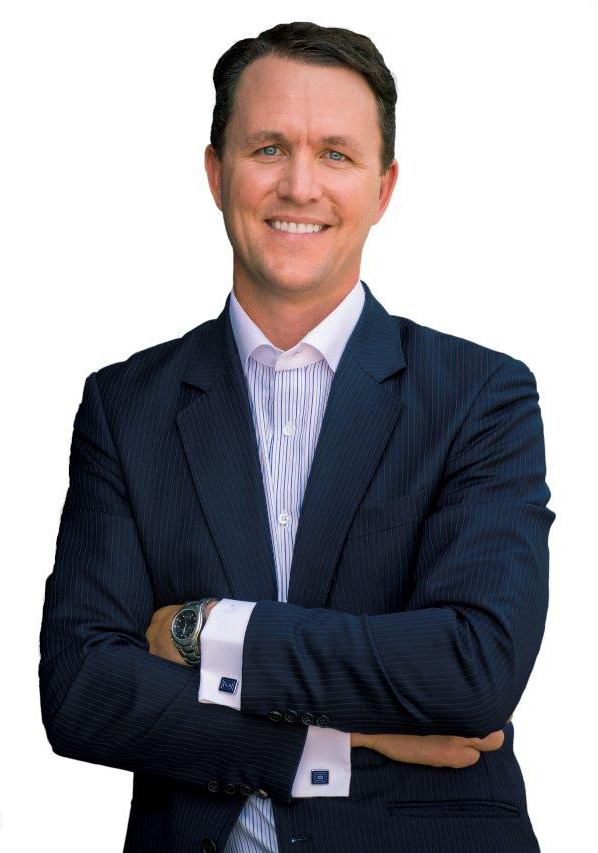 Kevin Anseeuw CIM, DBA, CPCA, CFP, EPC, is a Senior Investment Advisor and Portfolio Manager for Trans Canada Wealth Management/Harbourfront Wealth Management. Kevin has been instrumental in helping hundreds of individuals and business owners achieve financial success.
He spent 14 years at one of Canada’s top financial firms before joining Harbourfront Wealth Management. As a Certified Financial Planner™ registered in MB, ON, SK, AB, and BC, Kevin provides investment, retirement, and advanced tax strategy advice to his clients using a fee-based platform, or a transactional model when it is the best fit for the portfolio.
He is active in the community on a number of boards and associations and is particularly devoted to the Winnipeg-based charity The Never Alone Foundation. Kevin, his wife Sarah, and their two children, Cole and Rachel, enjoy time together at the lake spent hiking, sailing, tackling building projects, and, of course, enjoying some downtime together.
