

 Posted By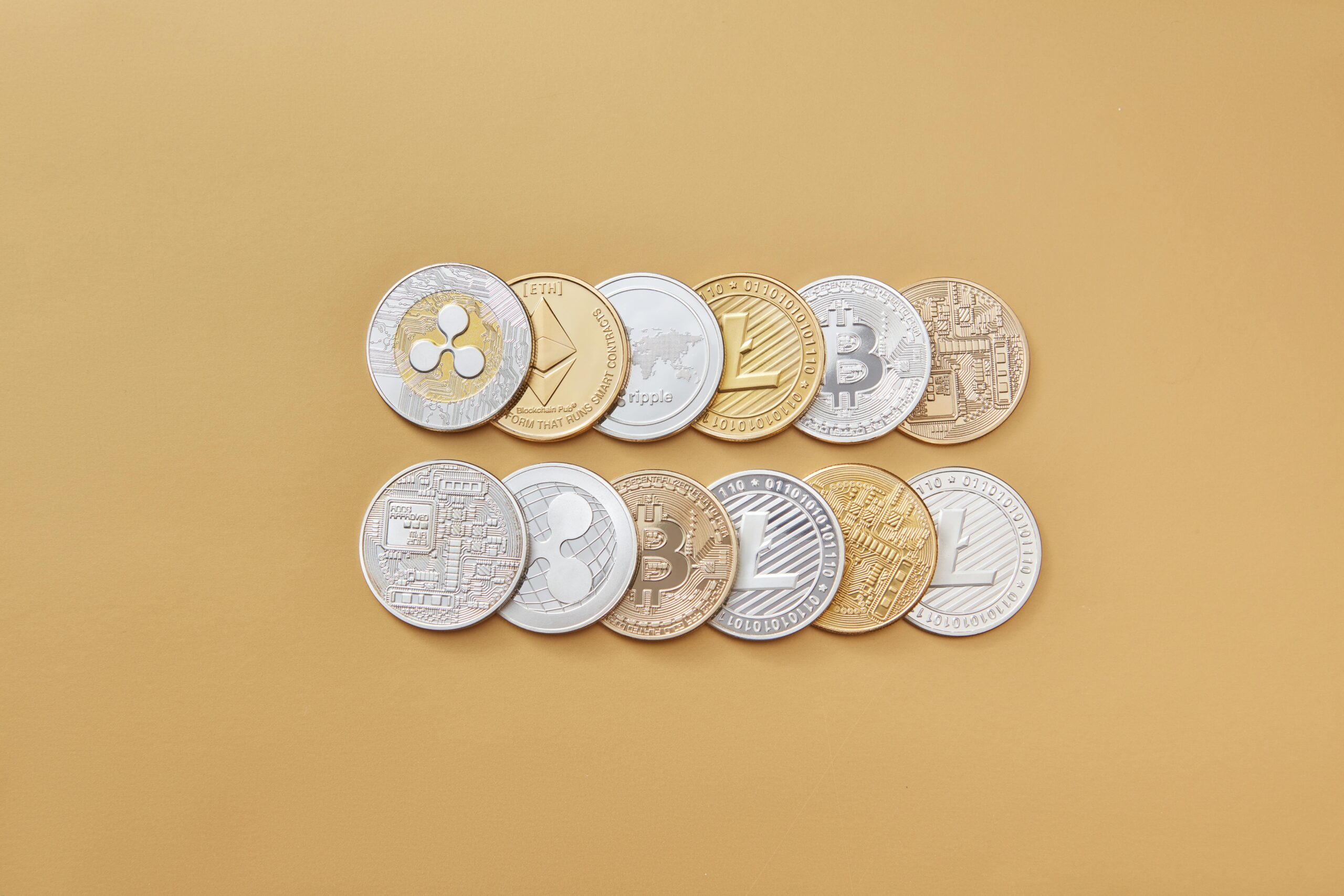
By Devin Partida
Special to Financial Independence Hub
Alternative assets are investments that go beyond traditional stocks, bonds and cash. These include real estate, private equity and commodities. Unlike conventional investments that move with the broader market, these assets often behave differently, which gives your portfolio extra stability and opportunity.
Diversifying beyond the usual mix has become essential as market volatility and inflation make returns less predictable. Adding alternatives can smooth out performance swings, protect your purchasing power and access growth opportunities that public markets can’t always offer. It’s a wise way to strengthen your portfolio and prepare for whatever the market brings next.
What are Alternative Investments?
Alternative investments come in many forms, offering different ways to diversify your portfolio. Real estate provides steady income and long-term appreciation. At the same time, private equity and hedge funds aim for higher returns through active management and exclusive opportunities. Commodities like gold and oil can hedge against inflation, and infrastructure projects offer a stable cash flow tied to essential services. Even collectibles such as art, wine or rare coins can hold value beyond market trends.
These assets often move independently of public markets, which helps balance your portfolio during volatile periods. While they require high initial minimums and upfront investment fees, their transaction costs are often lower than those of traditional assets. Still, they come with unique challenges, such as limited liquidity, complex valuations and higher entry barriers that demand careful planning and due diligence.
Benefits of adding Alternatives to a Portfolio
Alternative assets offer new ways to manage risk, protect against inflation and uncover growth opportunities in areas often overlooked by public markets. When used thoughtfully, they can make your portfolio more resilient and better equipped to handle economic ups and downs. Here are some key benefits to consider:
- Steady income streams: Real estate and infrastructure can generate reliable cash flow through rent, dividends and yield.
- Inflation protection: Real estate and commodities tend to retain or grow in value when inflation rises. For example, gold prices are up more than 40% in 2025, proving how commodities can be a powerful hedge during uncertain times.
- Higher long-term return potential: Private equity and venture capital can outperform public markets over time, rewarding patient investors.
- Enhanced portfolio resilience: Combining alternatives with traditional assets can reduce volatility and create a more balanced, adaptable investment strategy.
Risks and Complexities to watch out for
Many of these investments require long holding periods, meaning your money could be locked in for years. Private equity and hedge funds often charge high management and performance fees that can affect your gains. Some alternatives don’t have transparent market prices, so tracking their real value isn’t always easy.
Commodities and emerging market assets can also swing sharply in value, reacting to global events and economic changes. Understanding these risks early allows you to make informed decisions, choose investments that match your comfort level and build a strategy that balances opportunity with smart risk management.
Determining the Right Allocation
When deciding how much to invest in alternative assets, it is important to align your allocation with your risk tolerance, time horizon and financial goals. Conservative investors might dedicate a modest amount of their portfolio to other options. At the same time, those with a higher risk appetite could go beyond that. Interestingly, 37% of Americans have expressed interest in using artificial intelligence tools to help manage their money.
Still, nothing replaces the value of working with a professional financial advisor who can help you balance opportunity with caution. Regular portfolio rebalancing keeps your strategy aligned with changing markets and personal goals. Remember, the best allocation is the one that fits your unique financial situation and long-term vision.
Conducting Due Diligence and Seeking Expert Advice
Before you invest in alternative assets, take time to research the details that matter most. Look into the track record of asset managers, past fund performance and liquidity terms to know how easily you can access your money. It’s also smart to understand tax implications and minimum investment requirements, which vary widely across different asset types.
Consulting a certified financial planner or adviser with experience in alternatives can help you navigate these complexities. In fact, 41% of U.S. adults turn to these professionals when seeking advice. By doing your homework and seeking trusted support, you’ll make informed choices that build confidence and long-term economic stability.
Balancing Opportunity and Caution
When used thoughtfully, alternative assets can strengthen your portfolio, offering diversification and protection against market volatility. As 2026 approaches, consider allocating some of your investments to these assets to take advantage of new opportunities in the changing economic landscape.
 Devin Partida is the Editor-in-Chief of ReHack.com, and a personal finance writer. Though she is interested in all kinds of topics, she has steadily increased her knowledge of the intersection of finance and technology. Devin’s work has been featured on Entrepreneur, Due and Nasdaq.
