Posted By
 Retirement may last longer than you expect. The question is: is your portfolio built to keep up?

By Alain Desbiens, Vice-Chair BMO ETFs
(Sponsor Blog)
Canada is undergoing a profound demographic transformation that will influence the nation’s economic trajectory and long‑term investment landscape for decades to come. By 2036, Canadians aged 65 and older will account for roughly 23% of the population, up from approximately 19% today. 1
This aging shift is propelled by three powerful forces: rising life expectancy, persistently low birth rates, and immigration serving as the country’s primary source of population growth. Together, these drivers are reshaping not only the size and composition of Canada’s population but also the way investors and financial professionals must approach planning and portfolio construction.
For investors, these demographic changes create a dual reality. On one hand, the economy faces challenges such as higher healthcare and social‑support spending, and increasing strain on retirement income systems. On the other hand, new long‑horizon opportunities are emerging.
Sectors tied to aging populations, innovation in healthcare, longevity planning, and intergenerational wealth transfer all stand to benefit. Exchange‑traded funds (ETFs), with their cost‑effectiveness, diversification, and transparency, offer an efficient toolkit for capturing these evolving trends.
Key Demographic Trends
1.) Aging Profile & Generational Mix
Baby Boomers still represent about one quarter of Canada’s population, but by 2029, Millennials are projected to surpass Boomers in absolute numbers. 2 This generational shift will reshape demand across housing, consumption, and financial services. Millennials tend to prefer digital-first advice, sustainable investing, and simple yet sophisticated products — including ETFs — while Boomers continue to prioritize income generation, capital preservation, and tax‑efficient3 decumulation strategies. This changing balance in generational influence will increasingly dictate the types of investment solutions that gain traction in the market.
2.) Retirement Wave
Canada is entering a period where record numbers of Boomers are exiting the workforce and see increasing need for accumulation and decumulation strategies, and a higher demand for financial, will and decumulation strategies.
3.) Longevity Realities
Canadians are living longer than ever before, with meaningful implications for retirement planning.
- Women 65+: Over half are expected to live to age 90. 4
- Men 65+: More than half reach age 90 as well, though only about 39 per 1,000 do so without a major critical illness. 5
- FP Canada/IQPF: A 50-60-70‑year‑old has roughly a 25% probability of living to age 94 (men) or 96 (women).6
This extended lifespan introduces significant longevity risk: the risk of outliving one’s capital. Financial plans must now be stress‑tested for longer retirement horizons, rising living costs, and variable health outcomes.
4.) Rising Costs for Aging‑in‑Place & Care
Healthcare inflation, long‑term care, and home‑care services are expected to grow sharply. These realities underline the need for specialized insurance solutions, inflation‑aware portfolios, and steady income vehicles that can sustain retirees across multi‑decade retirement periods.
5.) Wealth Distribution & Investor Segmentation
Canada is on the cusp of a major wealth transition:
- Gen X is set to surpass Boomers in total net worth. 7
- An estimated $450 billion will transfer to Gen X over the next decade. 8
- Total household wealth is projected to reach $10 trillion by 2030, reshaping investor behavior, risk profile8, and demand for advice.9
The Bottom Line
Canada’s aging demographic is more than a statistic: it is a structural force that will shape markets, spending patterns, and investment requirements. Investors who proactively position for these changes can build portfolios that are both resilient and growth‑oriented. With their flexibility, transparency, and broad exposure to demographic‑driven themes, ETFs remain one of the most effective vehicles for navigating this new era.
ETF Investment Opportunities
1.) Income Solutions for Retirees
• Longer lifespans + market volatility = demand for stable, tax-efficient income
• Covered Call ETFs: Combine dividends + option premiums for predictable monthly cash flow
2.) Simplified Diversification
• Asset Allocation ETFs (BMO Conservative ETF – ZCON, BMO Balanced ETF – ZBAL, BMO Growth ETF – ZGRO,BMO All-Equity ETF – ZEQT): All-in-one portfolios with global diversification and automatic rebalancing
• Risk profiles: Conservative (40% equity) → Aggressive (100% equity)
3.) Tax-Efficient Solutions
• T Series ETF: Systematic withdrawals for retirees, combining ETF efficiency with predictable cash flow
• Helps manage longevity risk and optimize after-tax returns
ETF Strategy Highlights
- Covered Call ETFs
- Benefits: Higher yield, volatility reduction, tax efficiency
- Innovative options by geography or sector
- Asset Allocation ETFs
- Examples: BMO Balanced ETF (ZBAL) (60/40), BMO Growth ETF (ZGRO) (80/20), BMO All-Equity ETF (ZEQT) (100% equity)
- Features: Low cost (0.15% MER), simplicity, automatic rebalancing
- Lower fees = faster goal achievement in accumulation & decumulation
- T Series ETF Portfolios & Covered call
- Designed for retirees needing consistent withdrawals without selling core holdings
- Available in Balanced, Growth & All Equity mandates
- Learn more: BMO Expands ETF Lineup with New Target Cash Flow Units
If retirement is on the horizon, now is the time to look beyond when you plan to stop working and focus on how long your portfolio will need to support you. Longer lifespans mean portfolios must balance growth, income, and flexibility before the first paycheque replacement ever begins. Reviewing your asset mix, understanding your future income needs, and considering simple, diversified ETF solutions today can help reduce stress and create more confidence tomorrow. The years leading up to retirement aren’t just a finish line, they’re the foundation for decades ahead.
Want to learn more? Join Alain Desbiens and host Michelle Allen as they explore why longer retirements demand smarter strategies: inflation-aware portfolios and steady income that lasts decades, not just years. Listen to the podcast episode now!
| Fund name | YTD | 1 mo | 3 mo | 6 mo | 1 Y | 2 Y | 3 Y | 5 Y | 10 Y | Since Inception | Inception date |
| BMO All-Equity ETF ZEQT |
1.98% | 1.98% | 2.42% | 12.97% | 17.42% | 22.76% | 19.02% | — | — | 13.97% | Jan 24, 2022 |
| BMO Balanced ETF (ZBAL) | 1.34% | 1.34% | 1.28% | 8.68% | 11.37% | 14.96% | 12.52% | 8.08% | – | 8.70% | Feb 12, 2019 |
| BMO Conservative ETF(ZCON) | 1.02% | 1.02% | 0.71% | 6.56% | 8.40% | 11.13% | 9.29% | 5.18% | – | 6.27% | Feb 12, 2019 |
| BMO Growth ETF(ZGRO) | 1.66% | 1.66% | 1.85% | 10.82% | 14.39% | 18.87% | 15.78% | 11.02% | – | 11.13% | Feb 12, 2019 |
Source: BMO GAM as of February 2026
Sources :
1: Stats Canada : Alternative format – Portable Document Format (PDF)
2 : Stats Canada : A generational portrait of Canada’s aging population from the 2021 Census
3:Tax Efficient: as compared to an investment that generates an equivalent amount of interest income.
4: Globe and Mail : Here’s how long Canadian women can expect to live in retirement – The Globe and Mail
5: Globe and Mail : What are the odds of a man reaching 100 in reasonably good health? – The Globe and Mail
7: Generation X may soon beat the boomers in household wealth | Financial Post
8: Risk Profile – Comprised of a client’s risk tolerance (i.e., client’s willingness to accept risk) and risk capacity (i.e., a client’s ability to endure potential financial loss).
9: Household assets to approach $10 trillion by 2030 | Advisor.ca
8: Household assets to approach $10 trillion by 2030 | Advisor.ca
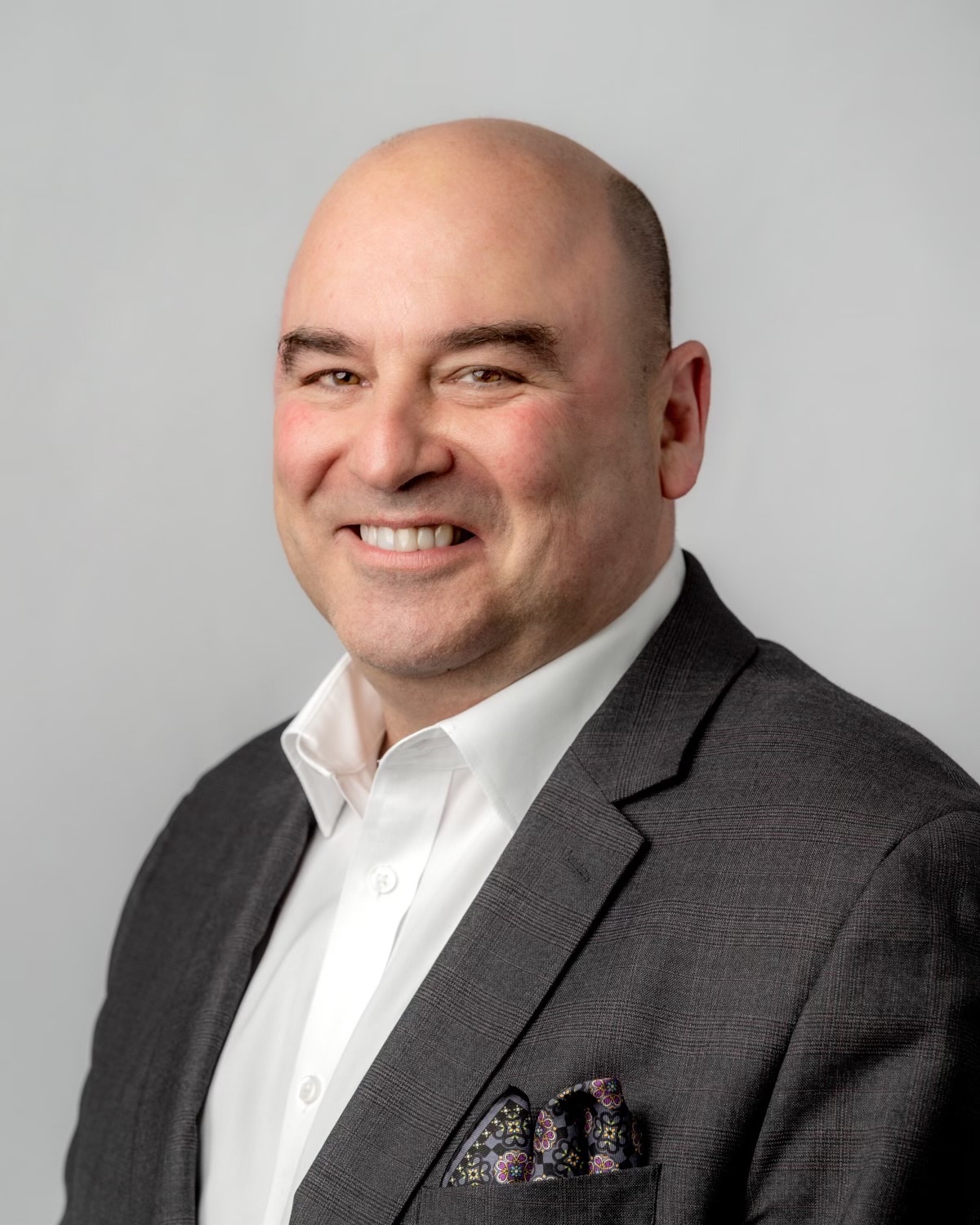 Alain Desbiens is Vice Chair, BMO ETFs. Alain brings more than 30 years of financial services experience to his new role. A seasoned financial expert and former broker, Alain has raised awareness of ETF benefits among advisors, direct and institutional clients through both individual discussions and impactful presentations. Alain is also active in multiple media formats helping provide insights on both the industry and investments. Over his career, Alain held roles as wholesaler, sales manager, branch manager, and investment advisor. He is a graduate of Laval University with a BA in Industrial Relations and has been recognized multiple times at the Canadian Wealth Professional Awards, including winning “Wholesaler of the Year” Award three times.
Disclaimer:

Commissions, management fees and expenses all may be associated with investments in exchange-traded funds. Please read the ETF Facts or prospectus of the BMO ETFs before investing. Exchange-traded funds are not guaranteed, their values change frequently and past performance may not be repeated.

Distribution yields are calculated by using the most recent regular distribution, or expected distribution, (which may be based on income, dividends, return of capital, and option premiums, as applicable) and excluding additional year end distributions, and special reinvested distributions annualized for frequency, divided by current net asset value (NAV). The yield calculation does not include reinvested distributions. [Bold]Distributions are not guaranteed, may fluctuate and are subject to change and/or elimination. Distribution rates may change without notice (up or down) depending on market conditions and NAV fluctuations. The payment of distributions should not be confused with the BMO ETF’s performance, rate of return or yield. If distributions paid by a BMO ETF are greater than the performance of the investment fund, your original investment will shrink. Distributions paid as a result of capital gains realized by a BMO ETF, and income and dividends earned by a BMO ETF, are taxable in your hands in the year they are paid. BOLDYour adjusted cost base will be reduced by the amount of any returns of capital. If your adjusted cost base goes below zero, you will have to pay capital gains tax on the amount below zero.

Cash distributions, if any, on units of a BMO ETF (other than accumulating units or units subject to a distribution reinvestment plan) are expected to be paid primarily out of dividends or distributions, and other income or gains, received by the BMO ETF less the expenses of the BMO ETF, but may also consist of non-taxable amounts including returns of capital, which may be paid in the manager’s sole discretion. To the extent that the expenses of a BMO ETF exceed the income generated by such BMO ETF in any given month, quarter, or year, as the case may be, it is not expected that a monthly, quarterly, or annual distribution will be paid. Non-resident unitholders may have the number of securities reduced due to withholding tax. Certain BMO ETFs have adopted a distribution reinvestment plan, which provides that a unitholder may elect to automatically reinvest all cash distributions paid on units held by that unitholder in additional units of the applicable BMO ETF in accordance with the terms of the distribution reinvestment plan. For further information, see the distribution policy in the BMO ETFs’ prospectus.

This article may contain links to other sites that BMO Global Asset Management does not own or operate. Any content from or links to a third-party website are not reviewed or endorsed by us. You use any external websites or third-party content at your own risk. Accordingly, we disclaim any responsibility for them.

BMO ETFs are managed by BMO Asset Management Inc., an investment fund manager, a portfolio manager, and a separate legal entity from Bank of Montreal.

“BMO (M-bar roundel symbol)” is a registered trademark of Bank of Montreal, used under licence.