

 Posted By
 Find out when selling gold, silver, and other assets makes financial sense, and how timing, market conditions, and personal goals can shape better decisions.
By Dan Coconate
Special to Financial Independence Hub
Selling gold or silver can support a stronger financial plan when the timing fits both market conditions and personal needs. The best decision often comes from balancing price trends, tax impact, and short-term cash goals instead of reacting to headlines.
Many households hold metals as a hedge, a store of value, or part of an inheritance. Knowing when to sell precious metals can help turn those holdings into funds for debt repayment, emergency savings, or major life expenses.
Start with the Reason for Selling
A clear purpose should guide the decision before any item goes on the market. Selling to cover high-interest debt or build a cash reserve often creates more financial benefit than holding metals during a period of flat prices.
Selling also makes sense when an asset no longer fits a broader plan. A collection that sits unused may offer more value as liquid funds than as a long-term holding with no clear role.
Watch Market Prices and Economic Conditions
Precious metal prices often move with inflation concerns, interest rates, and investor sentiment. A strong price run can create a good exit point, especially when gains meet a specific financial target.
Timing should still rest on more than the market alone. A solid sale happens when favorable pricing lines up with a real financial need or a planned shift in asset allocation.
Understand what you Own before Setting a Price
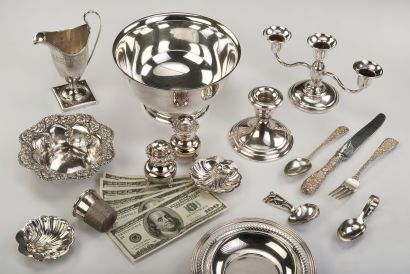
Not every item should sell based only on melt value. Coins, flatware, and older pieces may carry collectible or historical value that changes the right selling strategy.
That is why a professional review matters for older silver pieces and estate items. An antique silver appraisalcan help identify condition, rarity, and market demand before a sale moves forward.
Consider Taxes, Fees, and Sale Timing
Taxes and transaction costs can reduce the final return, so net proceeds matter more than the headline price. Selling across tax years or after checking capital gains rules may improve the financial outcome.
Several factors deserve attention before completing a sale:
- current spot prices for the metal
- dealer fees or consignment costs
- tax treatment of gains
- urgency of the financial need
- collectible value beyond metal content
A measured review of these details can prevent rushed decisions and protect value. This is also why each sell precious metals decision should fit an overall budget plan rather than a short-lived market swing.
Choose the Right Selling Window
The strongest selling window usually appears when prices are favorable and the proceeds will serve a clear purpose. That could mean paying off debt, funding a planned expense, or moving money into a more balanced portfolio.
Anyone exploring the role of a precious metal in the financial world should also know when to sell precious metals for financial benefits. Understand weigh liquidity, diversification, and current income needs before making a final call. A smart sale is not just about getting a good price. It is about putting that value to work in a way that improves long-term financial stability.
 Dan Coconate is a local Chicagoland freelance writer who has been in the industry since graduating from college in 2019. He currently lives in the Chicagoland area where he is pursuing his multiple interests in journalism.
