Posted By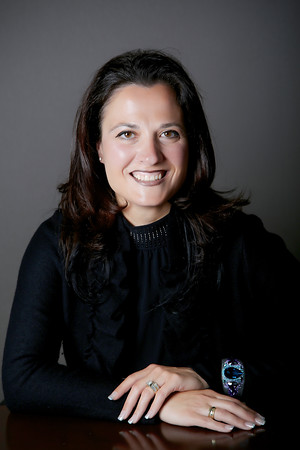
By Melina Mastromartino
Special to the Financial Independence Hub
Recently I had lunch with an accounting acquaintance of mine who shocked me when she told me, “I don’t believe in insurance.”
What she meant was, “I don’t recommend insurance to my clients.” Hearing this was like taking a hard blow to the stomach because I saw the true value of insurance when I lost my husband to a sudden heart attack. Being widowed at 35 with a five-year-old child is something that no one should to go through, but the reality is life isn’t always fair.
“Buying life insurance in our case turned out to be one of the smartest decisions that we ever made.”
As a young mother, the greatest fear came when I accepted that I now had full responsibility for bringing up my son on my own. For the first time I was fully responsible for his well-being: emotionally, spiritually and financially. How do you find the right care for a child when you need to work to support your family? Where were we going to live? How do I rebuild? How do we survive?
We were lucky though as we had put an adequate level of insurance in place when our son Austin was born. Life insurance can’t replace the loss of your spouse but it can replace the income you depend on and help protect your children’s future.
Life will never be the same as it was before but we are happy and safe. Things could have been much, much worse.
All of us need to ensure that we take the appropriate measures to protect the people that depend on us, who would suffer a financial loss if you were to die
If you have a family, it’s critically important to plan ahead and provide financial security with a life insurance policy. You never know how long you will live, but you can do something to provide for your family’s future.
Many people put off buying life insurance because they think it costs too much. What they’re not considering, however, is the cost of not having it if something bad were to happen. Figure out what you need to cut so you can afford it. It’s more important to have life insurance than those extra nights on the town.
“Asking your insurance broker if you need insurance is like asking your barber if you need a haircut.” – Robb Engen, Boomer and Echo
I laughed when I first read the above quote by Robb Engen and, truth be told, I really can’t argue with what he said. It reinforces my belief that you just need to find a trusted advisor who cares and is committed to doing the right things for you and your family. They are out there: you just have to invest the time to find them.
When Will You Need life Insurance?
In general, you need Life Insurance if:
- You have children,
- You are a single-income couple where a spouse has insufficient work skills or savings
How Much Life Insurance Will You Require?
You need to insure the family’s breadwinner first, then others if income permits. You need enough to cover funeral expenses, taxes, mortgage and other debts and future retirement needs of the remaining spouse. Have enough insurance in place to provide for the family and their education costs.
An interesting thing that I noticed after taking the required insurance courses is that most participants after taking the course either bought insurance or improved the existing coverage that they already had in place. Once people become aware of the risks of being uninsured, the purchasing of adequate life insurance coverage becomes a no-brainer.
In my case, life insurance allowed me to ensure that we were able to maintain our lifestyle as much as possible. It provides for housekeeping and child care services so that the surviving spouse can enter the workforce and work reduced hours and stay at home during the family’s transition.
It is important to regularly review your life and health insurance coverage so you, your family and your assets are appropriately protected.
Melina Mastromartino is an Investment Advisor (BSc,PFP,FDS) and part of the Komitas Mastromartino Wealth Management Group at RBC Dominion Securities, based in Toronto. She focuses her financial advisory career on working with individuals transitioning in life, helping them maintain good financial health and peace of mind. Melina can be reached at melina.mastromartino@rbc.com