Here’s my latest MoneySense blog, which they’ve titled Working to Live Better, Longer. Since it’s based on a reading of books about Longevity and even Immortality, we’re housing it here at the Hub in the Reviews, Encore Acts and Longevity & Aging blog categories.
Click on the red link above to reach the MoneySense version or if you want to see images of the book covers discussed, they are in the version posted below. (The two sites tend to use different images to illustrate): Continue Reading…
The investment seeks to replicate the performance, net of expenses, of the S&P/TSX Capped Composite Index. The index is comprised of the largest (by market capitalization) and most liquid securities listed on the TSX, selected by S&P using its industrial classifications and guidelines for evaluating issuer capitalization, liquidity and fundamentals.
Another go-to vanilla ETF, XIC, provides exposure to the S&P/TSX Composite, which skews heavily into Canadian financials and commodity stocks. One bad habit Canadians investors get into succumbing to home country bias — holding way more Canadian companies than foreign companies. The Canadian stock market represents only 6 per cent of the global market so it is positive to see ROBO allocating a smaller weighting to Canadian stocks. It’s sad to say that in terms of investing opportunities, there are way way more of them outside Canada.
I contributed $5,000 to meet the minimum investment required and the account was set up.
Two business days later, the money was invested according to the asset allocation weightings the ROBO created based on my responses to questions about my risk tolerances.
To recap, this is my portfolio, along with portfolio weightings allocated by my ROBO:
Dividend Stocks 15%
Risk Managed Bonds 15%
Foreign Stocks 15%
US Stocks 15%
Canadian Stocks 10%
Risk Managed Equities 10%
Real Estate Stocks 10%
Emerging Markets 10%
The ROBO calculated my risk score to be 9, which is high. According to ROBO,
“You seek a portfolio that provides long term growth. Your assets are invested primarily in equities. You accept a high degree of market fluctuation, with the goal of achieving superior long term returns. You accept that there will be times of negative performance.”Continue Reading…
Young entrepreneurs seem to get all the attention, but there are also a lot of experienced Baby Boomers who are considering entrepreneurship for the next phase of their career or retirement plan. Are you one of them?
The first important point for you to recognize if you are considering this option is that past success in business or management, or even as a business owner, does not ensure you will succeed in a new business. You need to be smart and humble enough to seek support, advice and market feedback before you start.
I have worked with many entrepreneurs on new business start-ups. My advice is the same for any entrepreneur, young or old, experienced or not: Look before you leap.
Yes, that does mean you have to prepare a Business Plan, but remember, “It’s not about the plan, it’s about the process.” Preparing the document is much less important than the process of strategic analysis and testing the financial consequences for alternative business models and potential operating scenarios.
Interesting piece by financial TV guru Suze Orman about why she’s decided to quit her 13-year long TV gig. She sounds excited about moving on to whatever will happen after TV: clearly she’s ready for an equally exciting and influential encore career.
This week, MarketWatch zeroedin on 5 Disastrous Trends impacting future retirees. They are plunging savings rates, vanishing workplace pensions, lack of emergency savings, rising life expectancies [see the Hub’s Longevity & Aging section devoted to this theme] and over dependency on Social Security and Medicaid.
Well, perhaps retirement is overrated anyway? That’s the stance Lawrence Solomon takes in a piece this week at the Financial Post: Here’s a Retirement plan — Don’t! This is more or less what we’ve been arguing all along here at the Hub. I call it the JKW Retirement Plan: JKW stands for Just Keep Working.
However, as I’ve also argued, just because you never plan to retire, doesn’t mean you don’t need to seek Financial Independence. Findependence is always a desirable goal and the sooner the better. Retire by 40 asks the question How long will it take to achieve Financial Independence? It includes an interesting chart that reveals the hard reality: it all depends on your savings rate. If it’s low, it could take more than half a century to reach Findependence. If you could save 90% of your income it could take as little as three years. Note this observation:
The average retirement age in the U.S. is 62. That means most people have about 40 years to save and invest. If your saving rate is 5%, then you probably will not reach financial independence before retirement. Even 10% is iffy.
The Christian PF blog has an enthusiastic book review of a book that’s already a NYT bestseller: Living Well, Spending Less. The reviewer notes that while it’s not a “Christian” book per se, it’s packed with scriptural references but should resonate with anyone in this materialistic culture: it’s all about decluttering, being content with what you have, cutting your grocery bill in half and more. A bit like the phrase “guerrilla frugality” in Findependence Day!
North of the border, Boomer & Echo takes a look at how the financial advice business is going to be shaken up by a term that may make your eyes glaze over: CRM2. Sounds like inside baseball but read why Robb Engen says CRM2 will usher in A New Age of Enlightenment for Investors.


 Posted By
 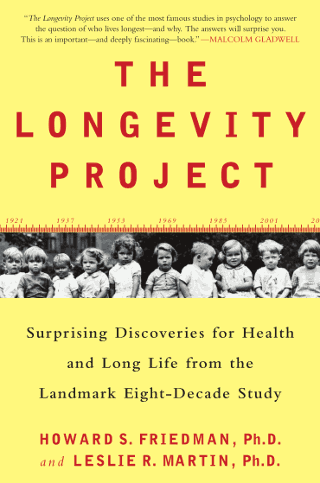 Here’s my latest MoneySense blog, which they’ve titled Working to Live Better, Longer. Since it’s based on a reading of books about Longevity and even Immortality, we’re housing it here at the Hub in the Reviews, Encore Acts and Longevity & Aging blog categories.