Hub Blogs contains fresh contributions written by Financial Independence Hub staff or contributors that have not appeared elsewhere first, or have been modified or customized for the Hub by the original blogger. In contrast, Top Blogs shows links to the best external financial blogs around the world.
Despite the financial harm it causes to many, tax debt, or the difference between taxes owed and paid, is an issue that does not receive much coverage compared to other forms of consumer debt like student loan, mortgage, or credit card debt.
At the end of fiscal year 2018, the Internal Revenue Service (IRS) reported that there were 13.1 million delinquent taxpayer accounts. The combined tax debt in the United States is an estimated US$527 billion, with US$381 billion of that coming from federal taxes and the rest from state-based taxes.
If a tax debt case goes unresolved, the consequences can be severe, including things like wage garnishment, asset seizure, or an international travel ban.
Even with its considerable size and consequences, tax debt goes under-reported, but hopefully a new report published by LendEDU and Solvable will help raise awareness. Analyzing over 75,000 unique cases of tax debt, LendEDU’s report broke down tax debt by state, in addition to the most common reasons for tax debt in each state.
New Mexico posts lowest average Tax Debt, Vermont the highest
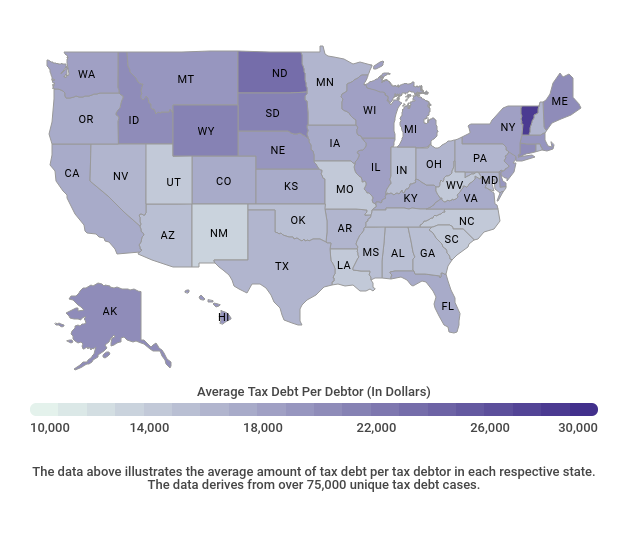
The national average tax debt was US$16,489, and 16 states had a figure below the average, while 29 states and Washington D.C. had higher-than-average tax debt.
New Mexico’s average tax debt of US$13,878 was the lowest in the country; following closely behind New Mexico was West Virginia ($14,325), North Carolina ($14,657), and Louisiana ($14,731).
On the other end of the spectrum, Vermont’s average tax debt of US$28,862 was the highest and was in the same neighborhood as North Dakota ($23,671), Wyoming ($21,095), and South Dakota ($21,071).
Regionally, states in the Northeast, Midwest, and West generally had very high tax debt, while states in the South had average tax debt figures on the lower end.
Main Reasons for Tax Debt include Back Tax Penalties and Divorce
A consumer can fall into tax debt for a variety of reasons, like underestimating how much in taxes he or she owes or not accounting for income made as a freelancer. Continue Reading…
The final rate announcement from Canada’s central bank has come and gone: and it appears that the cost of mortgages and other forms of variable-rate borrowing are to remain stable well into next year.
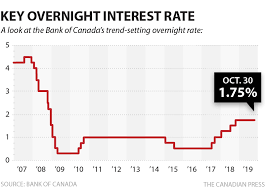
The Bank of Canada (BoC) opted to leave its trend-setting Overnight Lending Rate (which consumer lenders use to set the pricing of their variable mortgages and lines of credit) at 1.75% on December 4th. The rate has held status quo since October 2018, and makes the BoC somewhat of an outlier when it comes to monetary policy; many central banks around the world, including the U.S. Federal Reserve, cut interest rates this year to counter growing U.S.-China trade tensions, as well as the growing threat of recession.
A positive take on the Canadian economy
However, the BoC has maintained all year that while global economic instability remains a key risk, it feels confident enough in both the international and domestic economies to avoid adding stimulus. Of course, tweaking interest rates is a key tool the BoC has at its disposal in times of economic need; by keeping the cost of borrowing lower, it encourages continued consumer spending and helps avoid a credit crunch.
While a number of economists and analysts anticipated at least one downward rate cut in 2019, that never materialized. In its December announcement, the central bank stated, “There is nascent evidence that the global economy is stabilizing, with growth still expected to edge higher over the next couple of years.” It also adds that while the risk remains, a potential recession has become less likely, and that there is reason for optimism as Canada’s economy is stabilizing.
The December report outlines that end-of-year growth has progressed largely in line with what was forecasted in October, with consumer spending rising 1.3%, as well as upticks in business investment and wage growth. As well, the BoC’s most important metric, core inflation, stayed near its 2% target, and is expected to remain in that range over the next two years. As long as that remains the case, it’s unlikely the BoC will be prompted to cut or hike rates in the near future.
Lower rates to spur Housing demand in the New Year
With little chance of rate movement in the short term, what does that spell for Canada’s housing market? In what is somewhat of a self-fulfilling prophecy, the BoC included strengthening real estate activity as one of the main contributors to economic growth, further supporting its platform to keep rates at their current historical lows. Lenders have been able to keep their variable-rate offerings deeply discounted, while fixed mortgage rates have been kept down by especially low yields in the bond market.
That’s led to a boom in cheaper credit and mortgages over the course of 2019, which has fueled growing home-buyer demand; while the federal mortgage stress test did help tamp down some borrowing activity by requiring applicants to qualify for higher rates, the shock impact of the measure has largely been absorbed.
Housing Agency calls for home sales and prices to rise through 2021
That’s a trend that will continue over the next 12 to 24 months, according to several analysts. For example, Capital Economics has forecasted national house price growth will rise at least 6% in 2020 due to low mortgage rates, as well as a growing gap between housing supply and demand. Continue Reading…
Sometimes loved ones can be judgemental and happen to measure your affection for them based on what you get them for Christmas! But jokes aside, Christmas is an occasion that is incomplete without colourful boxes of presents.
But what about the budget? Especially when there are numerous people that you want to gift!
Here are 10 unique gift items to inspire you, which can be special, utilitarian and affordable all at the same time.
Before we get on with the list, it’s a good time to acknowledge that while many of us search for the most special gifts to give to our loved ones, it is also around this time that we contribute a lot to the global pollution rate with our unconscious consumer habits. It is high time we understand that sometimes “affordability” is not all about OUR monetary budgets but also about the Environmental cost.
So let’s be minimalists, let our gifts and gift packaging be in sync with the environment, and let the whole world have a breath of fresh air after the festivities are over.
1.) DIY Gift Basket
Gift baskets are the coolest things that can fit just about any budget! You can create one without spending any money at all, with the help of a cardboard box or paper mache. Though the basket can make your presentation much special, it is still what goes into the basket that matters! If you can spend a little time to browse the local thrift stores, you may find some cool objects within your budget. Here are some ideas :
The gift in a Jar is certainly not about a jar of honey or pickle! It is something a whole lot sweeter and full of joy! And this has so much potential to be a no-money gift item, based on whether you are buying the jar, and what you fill in it. Simply, take glass jar (recommended, reused jar) and fill it up with one of the following things :
Good Quality Battery-Operated Fairy Lights
“Open When” notes
Homemade Cookies
Homemade Chocolates
Handmade Candle
3.) Personalized Tech Accessories
Tech accessories can be the most forward-thinking gifts, but only when you know your gift will compliment your dear one’s tech stuff. When it comes to such accessories, what better way to make them unique, than personalization! It doesn’t have to cost too much money, just needs a bit of your creativity:
Personalized protective phone cases for girls or boys, with their Instagram-worthy images, favorite colors or name initials – it should truly reflect their persona.
Personalized Bluetooth speakers
Personalized power banks
4.) Rugs & Runners
Rugs can be functional gifts on a budget for the winter season and they don’t always have to be fancy or expensive. Here are some of the practical options:
Paint or embroider good quality sisal or jute rug
Knit a throw rug
DIY Rag Rugs
DIY braided rug with recycled fabric, you can also explore the thrift stores or art exhibitions to curate one of these.
5.) Shelves of all kinds
You can never go wrong with shelves even if the person you are gifting lives in a rented space. The only condition is that you have to be careful about size and the installation process. Here are some ideas:
Ladder Shelves: you can take an inexpensive ladder, decorate it with some paint or polish, and you are good to go.
Rope Shelves are practical for rented places when you can simply hang them from command hooks
Floating wall shelves are good gifts when there are no restrictions or constraints on drilling
‘Tis the season for the annual investment outlook, with a new year and some might argue a new decade ahead of us. While some pundits hold fire on their prognostications until January, a few big-name investment firms have just come out with their 2020 prognostications.
Among the early entrants was Franklin Templeton, which provided its predictions last week in Montreal and again yesterday (Dec. 10th) in Toronto. Also yesterday, Vanguard put out a release headlined Economic and Market Outlook 2020: Lower Growth Expectations in the New Age of Uncertainty.
Franklin Templeton is a well-known manager of actively managed mutual funds, and has now been in Canada for 65 years, going back to Sir John Templeton’s famous Templeton Growth Fund. Vanguard is best known for its “passive” or indexing approach to investing, both through index mutual funds and ETFs, although it is also an active manager. But their respective outlooks for the next year and decade are not too different, with investment returns projected to stay positive, albeit with cautions to investors not to expect quite as strong returns as they have received in the last decade.
Vanguard said global growth is set to slow in 2020, driven by US and China trade concerns and continued political uncertainty leading to depressed global economic activity.
Todd Schlanger, senior investment strategist at Vanguard Canada, said: “Investors should prepare for a lower-return environment over the next decade, with periods of market volatility in the near-term. We expect uncertainty stemming from geopolitics, policymaking, and trade tensions to undermine global growth over the coming year … For Canada, the picture is slightly rosier, with a resilient labour market and robust wage growth leading to growth levels stronger than most developed economies in 2020, with a slight improvement over 2019.”
Vanguard’s main bullet points were these:
It forecasts continued slowdown in global growth but Canada will be a bright spot among developed economies: Canadian growth is forecast at 1.6%, U.S. growth forecast at 1.0%, Eurozone, 1.0%, China at 5.8%
Canadian equity market returns are forecast to be 3.5%-5.5%, annualized over the next ten years
Canadian fixed income returns are likely to be 1.5%-2.5%, annualized over the next ten years.
Vanguard says global central banks have moved from expected policy tightening heading into 2019 to additional policy stimulus amid weakening growth outlooks and inflation shortfalls this year. It expects the US federal reserve to cut the federal funds rate by 25 to 20 basis points before the end of 2020. However, it expects the Bank of Canada to keep interest rates at current levels throughout 2020. While Canadian growth is stable, rising household debt levels and high exposure to global economic uncertainty “skew the balance of risks to the downside.” Schlanger advises Canadian investors to prepare for volatility over lack of trade clarity and slowing economic growth in the U.S. by maintaining diversified portfolios, keeping investment costs low and focusing on the long term while tuning out the daily noise.
Global stocks still have more performance potential than global bonds
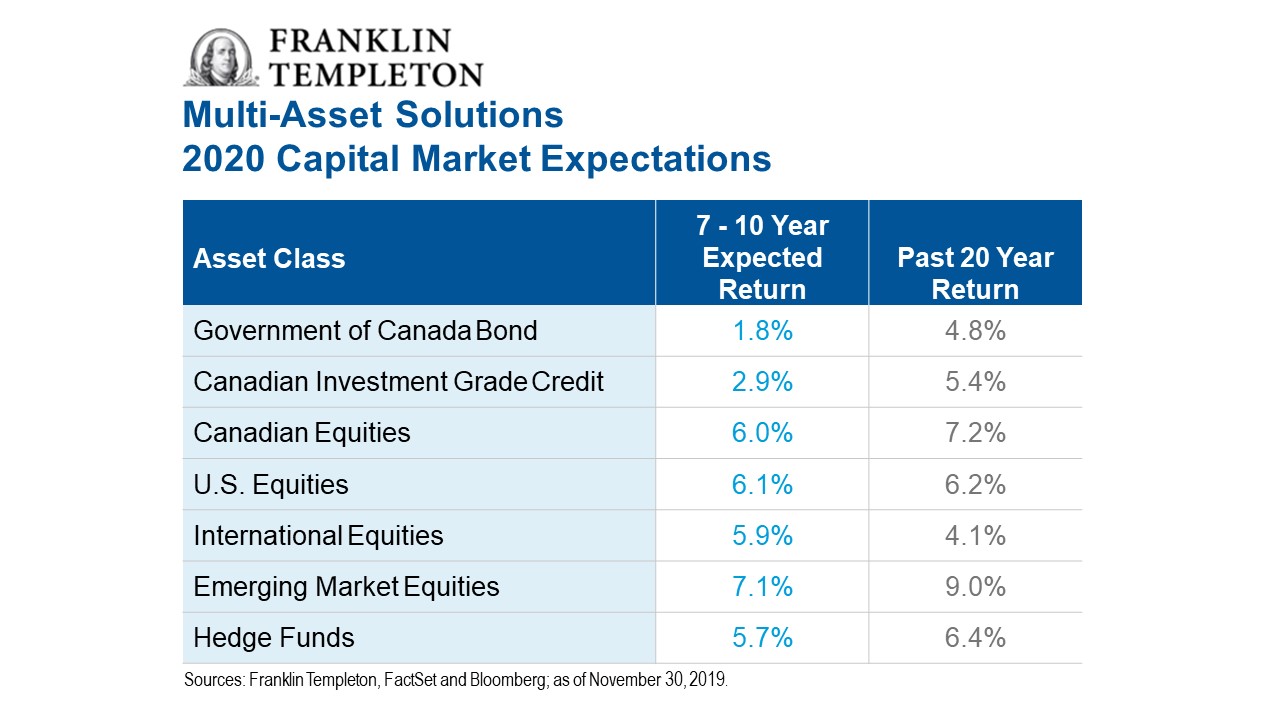
Meanwhile, Franklin Templeton believes global stocks have “greater performance potential than global bonds, supported by continued global growth.” Over the next seven years it forecasts strong return potential for both bonds and equities in Emerging Markets. And with short-term interest rates below historical averages, “we see a lower performance potential for government bonds.”
William Yun, Franklin Templeton Multi-asset Solutions
Franklin Templeton recommends a multi-asset approach to deal with an environment of desyncronized global growth and moderate inflation worldwide.
Bill Yun, executive vice president and investment strategist for Franklin Templeton Multi-Asset Solutions (pictured left) said the firm’s 7-year outlook for Canadian bonds the next 7 years is about 1.8% a year, versus 4.8% the past 20 years. Equity return expectations are all positive but reduced from the performance of the prior 20 years: 6% going forward for Canadian equities, versus a historical 7.2%; 6.1% for US equities compared to 6.2% the previous two decades; International equities are projected to return 5.9% versus an historic 4.1%; Emerging Markets 7.1 versus 9% historic, and hedge funds 5.75 compared to 6.4% in the past.
Global central banks have little ammo left
One positive for Canada is that the Bank of Canada has more room to cut rates to cope with an economic slowdown than most central banks in the rest of the world. Canada and the US both have room to cut but Europe does not, Yun said. Some rates are negative in parts of Europe. Continue Reading…
Baby Boomers came of age during a period of unprecedented prosperity and affluence in America, which was reaping the benefits of a super-charged post-war economy. And, like their parents and grandparents, instead of giving into frivolous financial behavior and spending their money, Baby Boomers tend to “hedge their bets” and play it conservative when it comes to spending. If this sounds like you, don’t let a concern about the future and the need for a tidy nest egg keep you from having fun and enjoying life. There are plenty of ways to balance preparing for the unexpected with having some fun.
Cost-conscious vacations
Vacations tend to be spendy affairs. The anticipation of visiting new and exotic locations can encourage a freewheeling attitude and a considerable outlay of money. If you’re worried about spending money you should be setting aside for a rainy day, forgo that Carribean or Danube cruise and look into something a bit closer to home, a destination you can easily reach by car. Sometimes there’s a memorable vacation waiting for you just a few exits down the road.
Do some research and look for an attractive but affordable bed-and-breakfast in a location that’s near a site of historical interest or a scene of natural beauty. If you don’t want to put highway miles on your car, check into coupons or online offers from a rental car company. Instead of stopping for pricey fast food, pack a picnic lunch and hit the trail for a fun and healthy hike. If you decide to stay in a hotel with a continental breakfast, grab some leftovers and cobble together your own lunch to avoid overspending on meals later.
Rethink dining out
There’s nothing quite like heading out for a nice dinner out with your spouse. The only problem is the cost: a nice dinner at your favorite French restaurant with wine and dessert will certainly leave you with a three-figure check. Instead, look for some of the less expensive gems every city has to offer, if only you know where to find them. Do a little homework, ask around and find a new “go-to” restaurant, perhaps a family-owned place with a great history and a menu full of homemade delights. You can also save money on wine by bringing your own bottle, which many restaurants will gladly allow.
Take care of the basics
If you have a frugal nature, you’re probably more comfortable taking care of financial responsibilities before you head out for a good time. Few things make you feel better about your money situation than having an adequate rainy day emergency fund firmly in place. It’s easier than you think: simply set up a monthly automatic transfer into a simple, interest-bearing savings account, though make certain it’s a monthly amount your budget can handle. If possible, save enough to cover at least six months of expenses in an account you can easily access. Continue Reading…


 Posted By
  By Mike Brown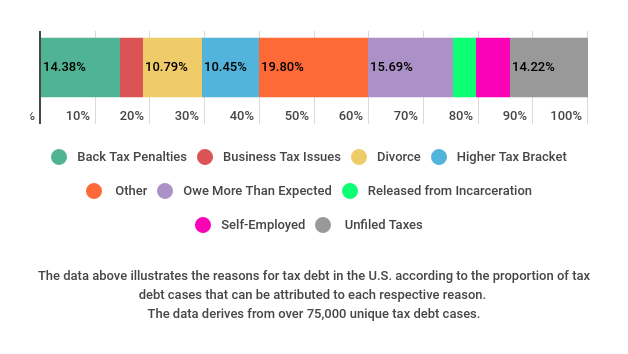


 Posted By