

Hub Blogs

Hub Blogs contains fresh contributions written by Financial Independence Hub staff or contributors that have not appeared elsewhere first, or have been modified or customized for the Hub by the original blogger. In contrast, Top Blogs shows links to the best external financial blogs around the world.

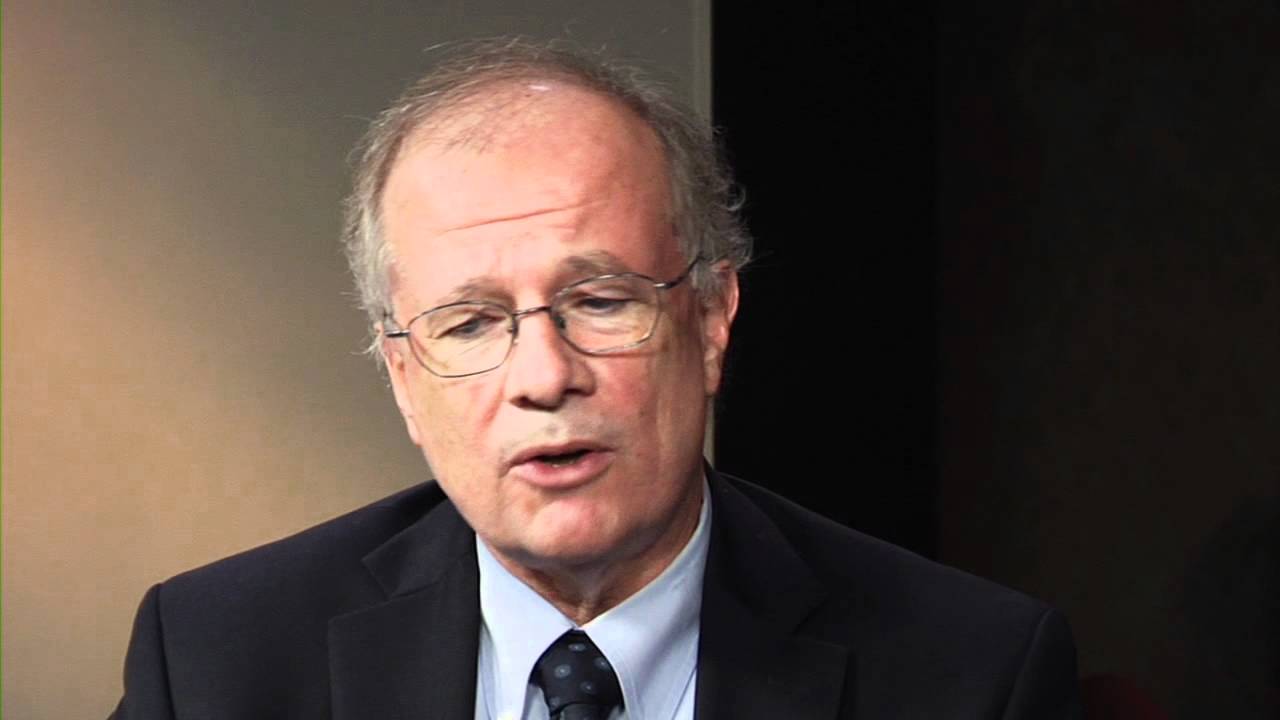
C.D. Howe’s Malcolm Hamilton — it’s an exaggeration to say we are saving too little for Retirement

maxresdefault
Malcolm Hamilton (YouTube.com)

By Jonathan Chevreau

Financial Independence Hub

Don’t believe various reports that Canadians are saving too little for retirement, says C.D. Howe senior fellow Malcolm Hamilton in a report issued Thursday. You can get the full 30-page report on PDF by clicking here.

As is typical of Hamilton, now a retired actuary, the report is insightful and entertaining. While there are exceptions, generally speaking, “Canadians are reasonably well prepared for retirement,” he writes.

Right under the report’s Headline (Do Canadians Save Too Little?) the answer is delivered in small Italic type on the title page: “Reports of undersaving by Canadians for retirement are exaggerated. They rely on faulty assumptions, questionable numbers and ignore the diversity of individual retirement goals.”

Among the various reports cited, one is the Ontario Government’s backgrounders that served as its rationale for launching its own Ontario Retirement Pension Plan, more on which below. Continue Reading…

Voluntary CPP is an old idea … has its time finally come?

jplaporte
Jean-Pierre Laporte (Linked In)

By Jean-Pierre Laporte

Special to the Financial Independence Hub 

Much ink has already been spilled since Minister of Finance Oliver rose in the House of Commons on May 26th to announce that the federal government was open to the idea of allowing additional voluntary contributions to the Canada Pension Plan, in order to give Canadians yet another avenue to save for their retirement.

Pundits and pension experts have since wondered what this new policy initiative would look like when fully fleshed out. The details provided by the Hon. Oliver have been scant except to say that employers would not be forced to contribute to the Supplemental Canada Pension Plan (S/CPP for a lack of a better acronym).

The S/CPP policy announcement comes at critical time, as the Ontario government is refining its own proposed CPP expansion initiative known as the Ontario Retirement Pension Plan ( ORPP ). The ORPP is a mandatory extension of the CPP for all workers not otherwise exempted because they work for a federal employer, or participate in a ‘comparable’ pension plan like a defined benefit plan. The ORPP was Ontario’s reaction to the lack of willingness on the part of the Harper government to impose a mandatory increase to the basic CPP benefit.

Foundation laid in 2004

Continue Reading…

What’s the difference between life annuities and tontines?

Here’s my latest MoneySense blog, entitled The case for tontines: part 2. It follows Part 1, which ran a week ago both at MoneySense.ca and here at the Hub: Tontine: Retirement Plan of the Future? 

After the first piece ran and even after reading both of Milevsky’s two latest books from cover to cover — one is essentially about annuities, the other about tontines — I realized I was still hazy about the exact difference between life annuities and tontines. I figured that if I was a little uncertain, so would many readers be.

moshe1
Moshe Milevsky

Moshe responded with a quick clarification of the two major differences, as well as sending me a recent presentation he made that touched on both concepts. Whether all these concepts could be incorporated into the ongoing debate about an expanded and voluntary CPP remains to be seen, but see today’s other guest blog by Pierre Laporte, entitled Voluntary CPP is an old idea … has its time finally come?

Not anywhere near as old as tontines, mind you!

For archival and one-stop shopping purposes, we also show the blog below, with a few subheads and images added: Continue Reading…

5.8 million working Canadians will see 20% drop in income in Retirement

benjamin-tal
Benjamin Tal (CIBC)

Almost 6-million working Canadians risk losing the “retirement of their dreams,” according to a CIBC report getting lots of attention today at the Globe & Mail website. CIBC deputy chief economist Benjamin Tal (pictured) says some 5.8 million working-age Canadians will suffer at least a 20% drop in their standard of living once they leave the full-time work force.

The short article is listed as one of the most popular today on the site and has attracted dozens of comments and social media mentions.

Stop me if you think you’ve heard this before but it seems the bank believes the country’s retirement system needs to be reformed as quickly as possible. The most recent move in this direction came from an apparent about-face by the Conservative Government, whose apparent refusal to consider an expanded or “Big” CPP motivated the Ontario government to launch a new retirement system of its own, the ORPP or Ontario Retirement Pension Plan. Then last week, Finance Minister Joe Oliver floated a trial balloon for a “voluntary” expansion of the CPP, which the Hub reprised on the weekend.

Younger middle-income workers with no DB plans at risk

Mr. Tal told the Globe that “it’s not just CPP,” but expressed concern that Canadians still aren’t saving enough money. While many Canadians close to the traditional retirement age of 65 are “on a path to the retirement of their dreams,” Tal’s data also shows millions others, especially younger workers in the middle-income brackets, “are headed for a steep decline in living standards in the decades ahead.”

Continue Reading…

Conscious Clients don’t put Retirement plans at Risk

dougdahmer
Doug Dahmer

By Doug Dahmer, Emeritus Retirement Income Specialists

Special to the Financial Independence Hub

One of the most exciting and rewarding aspects of my job is working with my clients as they learn what I call ‘Conscious living.’ It’s a skill that has tremendous impact on their quality of life and their retirement plan.

My ‘Conscious’ clients have a retirement plan and clearly defined goals. They know what they want to do, when they want to do them and how big they want to do them. They also have the tools to explore the implication of each financial decision or potential alteration to their plan. And they understand the future impact that an ill-considered, near-term expenditure will create – in most cases putting some element of their goals and retirement plan at risk. Continue Reading…