 By Maria Weyman, creditcardGenius
Special to the Financial Independence Hub
Gifts, parties, drinks, and yes … food! Is there a more expensive time of year than … now?
Staying on the straight and narrow road of financial responsibility means we can’t go about our lives like a zombie (oh wait, wrong holiday )…
But how do we stay frugal (yes, I’m using the F word), and keep fun within arm’s reach?
It’s all about creativity
… not sacrifice.
So, don’t worry, I’m not going to ask you to create two separate lists for needs and wants. Instead, let’s stick with one master list: where you list your full holiday needs and wants.
Now, here’s the thing. At the bottom of your list, write the max dollar amount you plan on spending for everything. But before you write that single number down … a little research would help, like:
How much disposable money –- after your fixed expenses and savings goals –- do you have in the bank?
(No, your credit card limit doesn’t count.)
Working with that single number –- your maximum budget –- it’s time to break it down into chunks depending on what’s in your list. Now we’re cooking.
You’ll feel a little bit of tension. An internal struggle when you’re deciding how and where to allocate your holiday spend. Completely normal. That just means our brain is getting warm and prime to let our creative juices flow. Because here’s a not-so-obvious secret:
Constraints and limitations drive creativity.
Make it a game
Because games are fun. And at its core, aren’t games all about solving problems and overcoming specific challenges?
Even more fun when you get to save, indulge yourself, and spoil the people you love in the process. And here’s the best part:
You get to create the rules.
Here are some questions and suggestions:
Review your list
When you review your list…
- Is there anything that you can get pre-loved (say hello to Kijiji, Craigslist, and even Facebook)?
- Is there anything that you can create yourself (using a little help from Pinterest and YouTube)?
- Is there anything that you can borrow from friends and family?
- Is there something that you can replace with something that is just as good or better?
- Example: if you’re thinking of getting your bff that beautiful warm $50 scarf, how about a) inviting her over for home-cooked dinner?, or b) volunteer to watch over the kid(s) for an afternoon so she can have a “me time”?
Anytime you can DIY [Do it Yourself], borrow, replace or get something pre-loved…write down how much you’re saving. Obviously, the bigger the number, the bigger the genius you are.
What’s at stake? Well, that’s for you to decide.
Free is fun
Let’s stop and think about all the free things we’re getting online; amazing isn’t it?
So, back to your list. Is there anything you’ve listed that is available for free? Some ideas …
- Free local events: Check Eventbrite for current and upcoming local events, some have tickets for sale and some are free.
- Free stuff. Browse Kijiji and Cragslist free stuff and see if there’s a match on what’s on your list.
- Other freebies: like games, baby stuff, etc.
7 DIY gift ideas
Ideas from easy to advanced …
- Personalized christmas tree ornament: grab a box of blank-canvas ornaments from the dollar store, markers, and stickers … and have fun!
- Vanilla infused vodka for baking, etc.: Better alternative than that boring store-bought “vanilla extract” (cheap vodka is welcome).
- Chocolate spoon mixer like this one is delish.
- Ready-to-go hot cocoa and marshmallow in a jar: drool-worthy ideas here.
- Homemade chocolate and caramel dips: you can find glass bottles at the dollar store and recipes for chocolate and caramel dips are abundant.
- Decorated candle holder. You can go from simple elegance to elaborate, some ideas here.
- Festive painted glassware: Grab a (wine) glass (you guessed it, from the dollar store), enamel paint (specific for glasses), paint brushes, and … some inspiration! The best news? Sky’s the limit to your pattern and design.
These ideas are by no means exhaustive, but I hope it’s a good starting point to get you thinking of the possibilities.
The bottom line
Gifts, parties, drinks, and yes … food.
We’re entering a time where abundance and indulgence are celebrated. And while, no doubt, there are worse things in the world, over-indulgence only feels good for a moment.
So let’s make sure the reality we come back to after this holiday is a happy one for you and your wallet.
 Maria Weyman is Co-Founder of creditcardGenius, the only tool that compares 50+ features of more than 150 Canadian credit cards using math-based ratings and rankings that respond to your needs, instantly. Follow on Twitter and Facebook.


 Posted By
  Feeling the financial blues a bit today? Little wonder because today, Monday, Jan. 15th, is Blue Monday, dubbed the saddest (most depressing?) day of the year.
 Posted By
 Posted By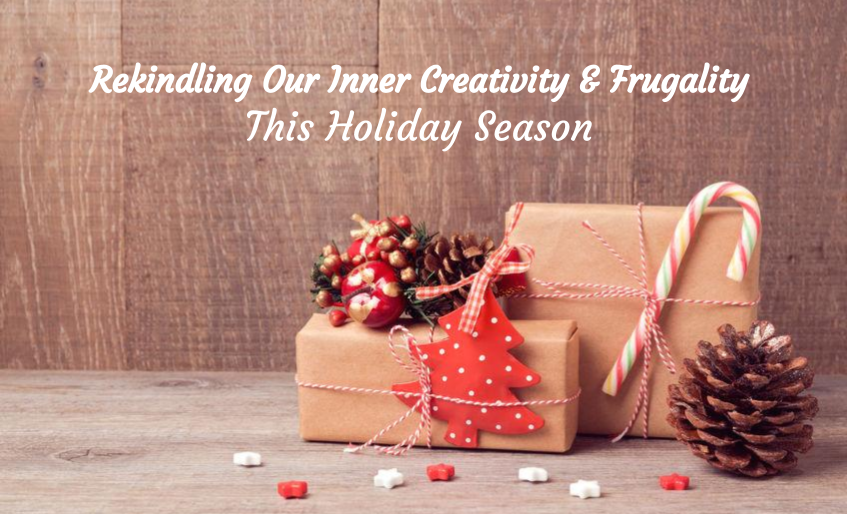

 Posted By