
Building Wealth

For the first 30 or so years of working, saving and investing, you’ll be first in the mode of getting out of the hole (paying down debt), and then building your net worth (that’s wealth accumulation.). But don’t forget, wealth accumulation isn’t the ultimate goal. Decumulation is! (a separate category here at the Hub).

Housing Bubble? Why it’s Crazy to buy in Vancouver or Toronto

Beautiful view of Vancouver, British Columbia, Canada
Vancouver, B.C.

When central and southern Alberta experienced catastrophic flooding in June 2013 there were 32 states of emergency declared and over 100,000 people displaced throughout the region. Reports of price gouging at various retailers surfaced on social media; one story in particular claimed that an unscrupulous Calgary retailer was selling individual bags of ice for $20.

Given the urgency of the situation, and depending on your level of preparedness, what options do you have?

  1. Move on to the next retailer and hope to find an honest owner
  2. Go home with no ice and wait for the situation to return to normalCalgary-price-gouging
  3. Suck it up and buy the ice, grumbling the entire way home about how you got ripped off
  4. Hope for some kind of government intervention to protect you and other consumers from price gouging
  5. Borrow ice from a friend or neighbour who has plenty to spare

Continue Reading…

With $100 billion in assets, can ETFs catch mutual funds?

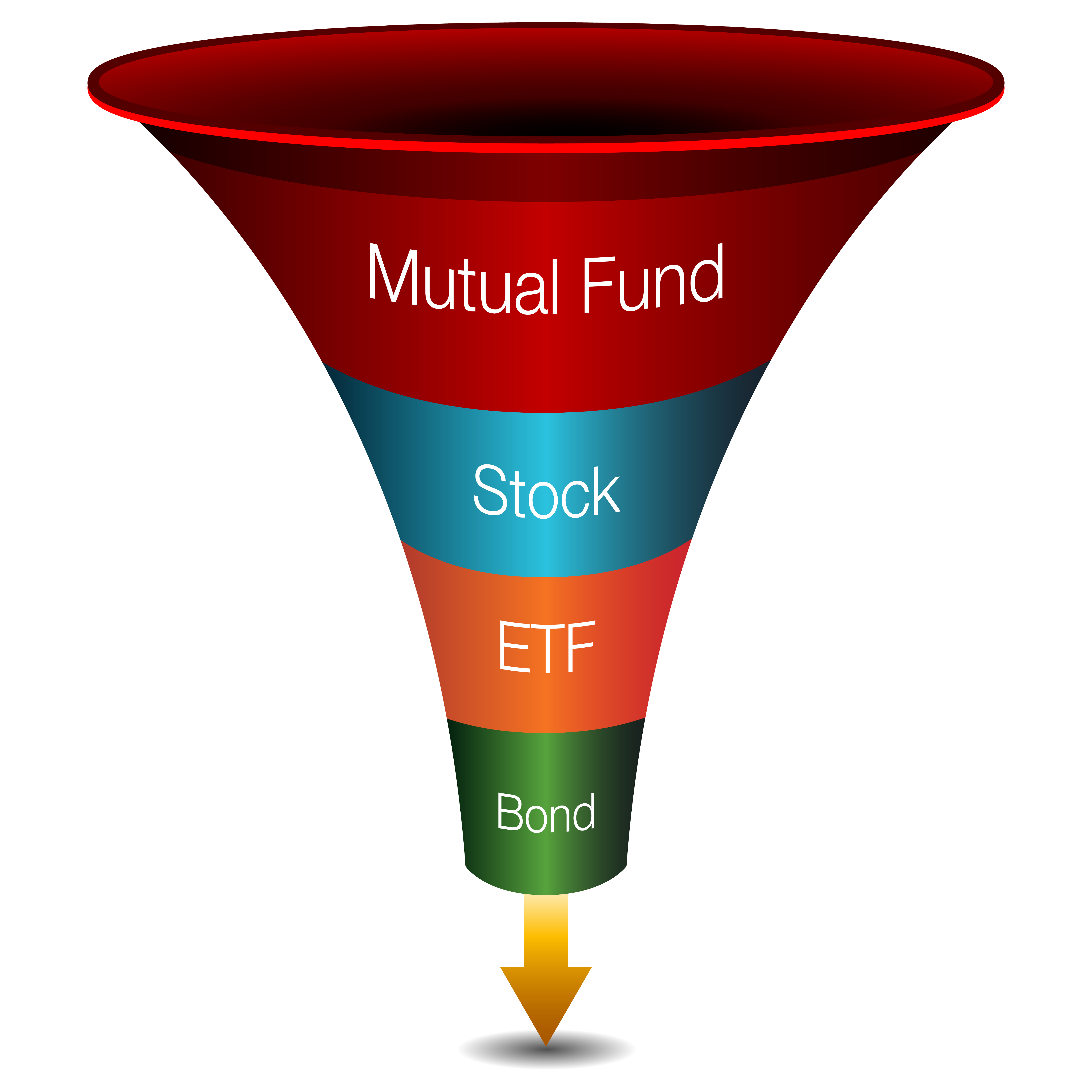
An image of a 3d investment strategies funnel chart.My latest Financial Post column can be found in the print edition of Wednesday’s National Post as well as online right now, under the title The market share battle between ETFs and mutual funds is heating up, as Canadian ETFs pass $100 billion milestone.

As noted earlier here on the Hub, the ETF (Exchange-traded Funds) industry recently passed the significant milestone of $100 billion in assets under management. See ETFs break $100 billion milestone in Canada. That’s “Billion” with a B, but is still less than 10% of the $1.1 Trillion (Trillion with a T) that the entrenched and much older mutual fund industry still enjoys.

As an aside, if you have difficulty grasping how big the number “Trillion” is then read a hub post by Ian Campbell: Can you put the number ‘Trillion’ in context?

The FP column asks the question why the huge disparity in Management Expense Ratios (MERs) of mutual funds (i.e. high at around 2.5% per annum) versus ETFs (typically around 0.55% but in some cases as low as 0.4 or 0.5%) hasn’t resulted in even more incursions by the ETF industry into the mutual fund space.

ETF sign is held by businessman.

Powerful bank distribution network

One reason is the entrenched positions of the Canadian banks, whose powerful distribution network (i.e. bank branches)allows them to sell their own in-house no-load mutual fund families. Of course, BMO, RBC and now TD all sell ETFs as well but I doubt you’ll see many recommended by your local friendly branch rep any time soon.

As the old saying goes, mutual funds are sold, not bought. Continue Reading…

Video: the age-old debate of active management vs. indexing

Screen Shot 2016-05-23 at 3.03.36 PMWhen it comes to investing philosophies, there are two camps that are almost diametrically opposed: so-called “active” security selection practiced by mutual funds, hedge funds and similar vehicles; and the low-cost “passive” approach epitomized by index funds and ETFs.

A good summary of this old chestnut can be found in the latest FWB TV video, which runs just under four minutes. It can be found by clicking on this highlighted link: He said, she said: the active versus passive argument.  In the investment industry, “she” is correct and her name is SPIVA® (S&P Indices Versus Active).

Is Mr. Active telling us the whole story?

Continue Reading…

Book Review: Blockchain Revolution

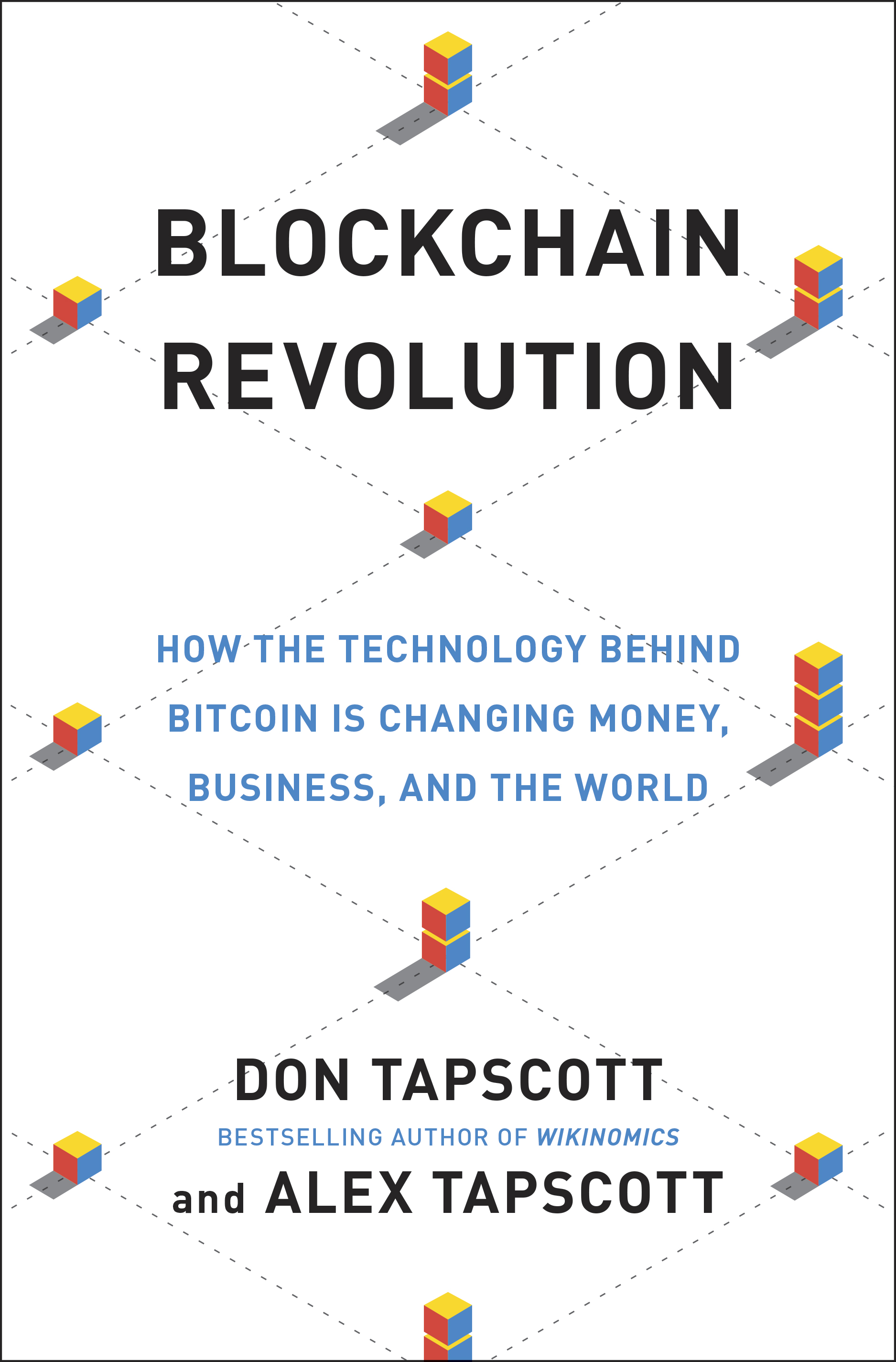
9781101980132_Blockchain_final process.inddTechnology guru Don Tapscott, together with his investment banker son Alex, makes a bold claim on the subtitle of the pair’s just-published book, Blockchain Revolution (Penguin Canada, Toronto). They promise that the “technology behind Bitcoin is changing money, business and the world.”

Certainly Bitcoin and Blockchain technology are something anyone in the financial services industry needs to pay attention to. The first of seven chapters on Transformations is devoted to reinventing the Financial Services Industry, which the authors dub “the world’s second-oldest profession.”

The global financial system supports a global economy worth more than $100 trillion, making it the world’s most powerful industry and foundation of global capitalism, the authors write. And yet, with some of it still running on 1970s mainframe computers, close up the financial system is a “Rube Goldberg contraption of uneven developments and bizarre contradictions.”

If ever an industry were ready for disruption, this one would appear to be it. In an interview at the book launch, Alex Tapscott told me that true “fin tech” (financial technology) is based on the blockchain. And blockchain itself is what The Economist magazine dubbed “The Trust Machine.” Accordingly, the Tapscotts’ book begins with a chapter titled The Trust Protocol.

Distributed Ledger Technology

Continue Reading…

ETFs break past $100 billion milestone in Canada

Tiwari_Atul_11_bBy Atul Tiwari

Special to the Financial Independence Hub

Last Friday, ETFs (Exchange-traded Funds) surpassed the magic $100 billion mark in assets under management in Canada and hopefully, continued growth in the markets and sales will keep us moving forward. But this milestone signals that many investors are gaining greater appreciation for these powerful, low cost and transparent investment vehicles.

And the industry is growing rapidly with new providers and products joining the ranks, regulatory changes on the horizon and technology changing the investment management field, like it has many others.

But the doubling of assets and tripling of ETF providers since 2010 is an indication that ETFs are being integrated into more investors’ portfolios. We see this every day with a growing number of ETF options and lower costs across the industry.

While there are a multitude of factors for the rising popularity of ETFs, I wanted to take a deeper look into four in particular.

  • The rise of indexing.
  • Increased competition.
  • Regulatory efforts to increase the transparency and awareness of investment fees.
  • More fee-based financial advisors.

The rise of indexing

Canada was an early innovator in ETFs, as the first ETF in the world was listed here in Canada 26 years ago. Continue Reading…