Posted By
  By Rick Pendykoski
Special to the Financial Independence Hub
Retirement planning is critical — no doubt about that. You worked hard all your career to save enough money and now that you have comfortable retirement savings, you must ensure that it lasts you through the golden years. If you don’t handle the retirement savings properly, you will run out of money earlier than expected.
It is important to have a withdrawal strategy in retirement, which needs to be handled tactfully. The objective of a withdrawal strategy must be to help you provide with the income you need, minimize the effects of taxes, and keep your investment mix diversified and in line with your personal lifestyle and situations.
How Much To Withdraw
Withdrawal rates are the most important factor because you’ve got a limited supply of assets in retirement.
Consider your age, life expectancy, living expenses and rate of return on investment to determine an approximate withdrawal rate.
If you fall under the ‘healthy-have adequate savings-will retire by 65’ bracket, it would be a good idea to begin with a 4%-6% withdrawal rate during the first year of retirement. After the first year, you can build in the cost-of-living adjustment each year to account for the inflation.
5 Key Points to Remember
- Consider the Withdrawal Strategy.
The simplest withdrawal strategy is to take assets from the retirement and savings accounts in the following order:
- Minimum required distributions (MRDs), also referred to as required minimum distributions (RMDs) in the United States,
- Taxable accounts
- Tax-deferred retirement accounts, such as a traditional IRA, 401(k), 403(b), or 457
- Tax-exempt retirement accounts, such as a Roth IRA or Roth 401(k)
- Tap Taxable Accounts First
Ideally, you must tap into the taxable accounts first as a source of income. When you use money from taxable mutual funds, individual stocks and other investments, you allow tax-favored assets to enjoy compounded growth for as long as possible.
Once the reserves of the taxable sources of income, which include personal savings, are spent you can move on to tax-deferred accounts, including traditional IRAs, 401(k)s, 403(b)s. This helps in delaying paying taxes on this money for as long as possible, until RMD withdrawals must begin.
Ensure that you are at least 59½ years before you take money from a tax-deferred account as you will incur a 10% early withdrawal penalty if you withdraw before that age, although exceptions to this rule do exist. Start taking distributions from your traditional IRA by the age of 70½ to avoid paying a 50 percent excise tax on the amount not distributed.
Leave Roth IRA as the last option as there are no minimum withdrawal rules for a Roth, thus allowing your earnings to grow tax-free.
- Check the Tax Bracket
It is important that you monitor the source of your withdrawals to understand the effect of the withdrawals on your tax rate. It will also avoid a move into a higher tax bracket.
- If you withdraw any distributions at all from a tax-deferred account, it would result in undesirable outcomes that are not directly related to income tax but that are tied to taxable income like Medicare costs.
- If you withdraw from a taxable account, it would require selling assets that are held less than a year, resulting in short-term capital gains, which are taxed at ordinary income tax rates.
- Limit Taxation on Social Security
The government considers up to 85% of your Social Security benefits to be taxable. This formula depends upon taking into account other income sources, along with one-half of your benefits. You must manage your income in such a way that a smaller percentage of your Social Security benefits will be taxable.
- Have Sizable Emergency Funds
Ideally, as a retiree, you should have a financial safety net in place to cover your living expenses for at least 1-2 years. Strive for an 8 percent investment return on average.
Smart withdrawing strategies from the retirement savings will guarantee you of a comfortable retirement.
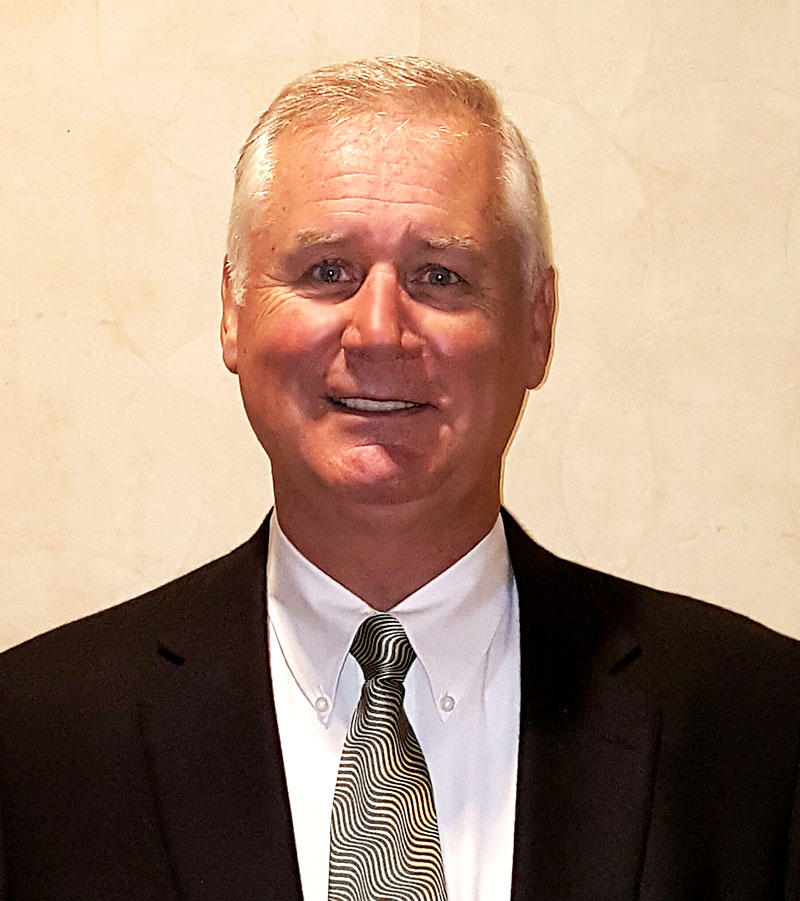 Rick Pendykoski is the owner of Self Directed Retirement Plans LLC, a retirement planning firm based in Goodyear, AZ. He has over three decades of experience working with investments and retirement planning, and over the last 10 years has turned his focus to self-directed accounts and alternative investments. Rick regularly posts helpful tips and articles on his blog at SD Retirement as well as Business.com, SAP, MoneyForLunch, Biggerpocket, SocialMediaToday and NuWireInvestor. If you need help and guidance with traditional or alternative investments, email him at rick@s