Hub Blogs

Hub Blogs contains fresh contributions written by Financial Independence Hub staff or contributors that have not appeared elsewhere first, or have been modified or customized for the Hub by the original blogger. In contrast, Top Blogs shows links to the best external financial blogs around the world.

Should you Work after Retirement? Find out the Pros and Cons

As retirement approaches, you ask yourself if you should work after retirement. Here’s a list of pros and cons to find out which path is right for you.

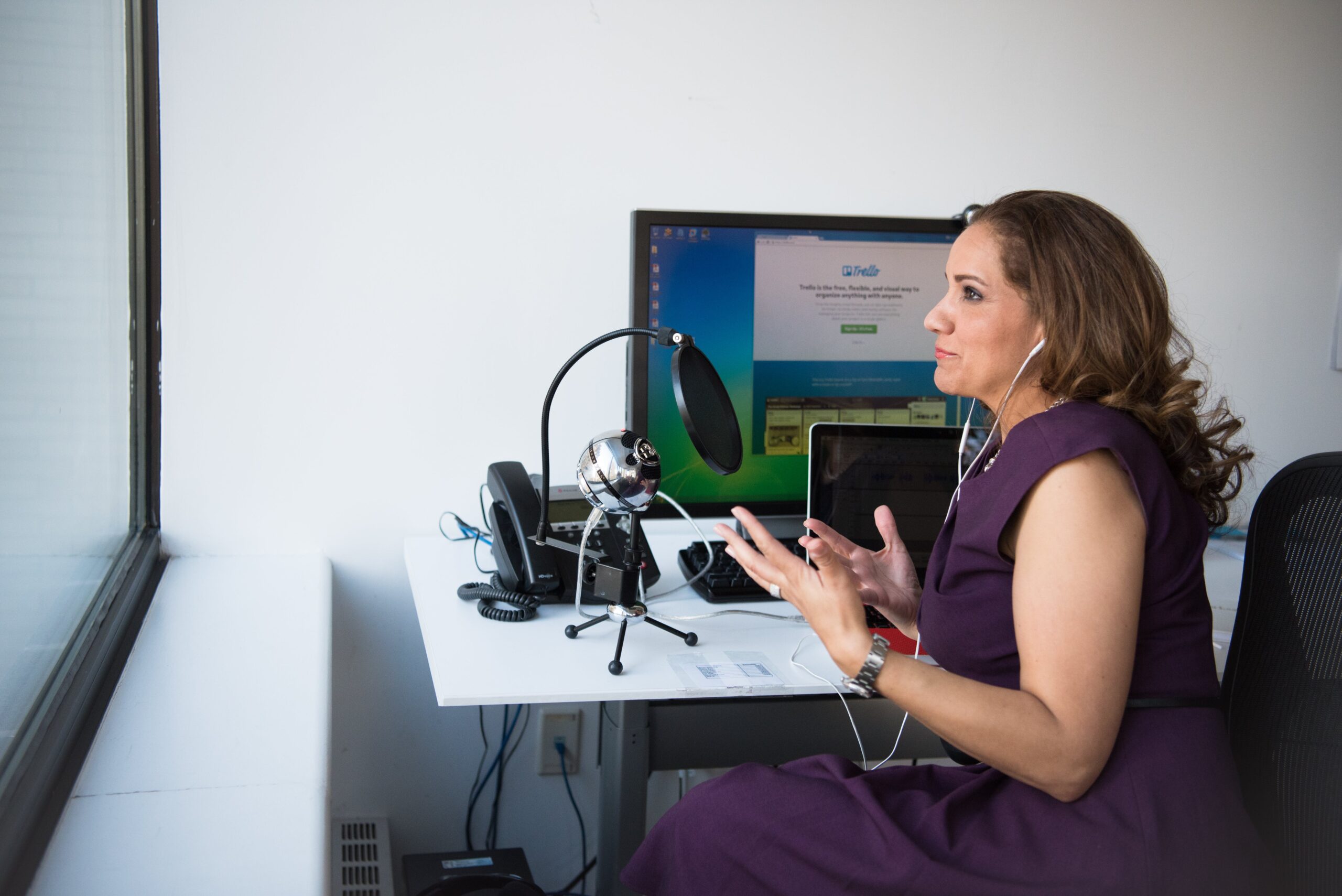
Image courtesy Arista Reality Group

By Dan Coconate

Special to Financial Independence Hub

Retirement is something we dream about. After years of hard work, we look forward to a slow life. However, for many people, the thought of stopping work altogether can be a little daunting.

There’s a big question looming over your head: Should you work after retirement? Find out the pros and cons to make an educated decision.

PRO: Mental Stimulation

Many older individuals discover that they thrive on the challenge and stimulation that work provides. This is especially true when the work involves using skills and experience, as it adds a sense of fulfillment and purpose to your life.

Engaging in such work will keep your brain sharp to enhance cognitive abilities as you age. You can feel fulfilled while reaping the benefits of an agile mind.

CON: Reduced Free Time

The beauty of retirement is the substantial freedom to spend your time as you wish. However, a new job may limit your abilities to embark on new hobbies, travel, and spend time with loved ones.

If you want to pursue a job during retirement, be sure to select a position that’s part-time and flexible. This will ensure that you have the free time you deserve to partake in the activities you desire.

PRO: Extra Income

It’s no secret that with a job comes additional income. While you most likely have a retirement fund arranged, a little extra money can go a long way.

Extra income can contribute to new hobbies, traveling, and treating your family with gifts. But that’s not all it’s good for.

The big question when buying a retirement home is how you will fund the endeavour. Purchasing a house is a costly investment, even if you’re planning to downsize. An additional income can cover portions of mortgage payments, property taxes, and maintenance costs for a more manageable investment.

CON: Social Security Benefits

While the additional income earned from working post-retirement can be advantageous, remember that it may impact your Social Security benefits. In certain circumstances, the Social Security Administration might reduce your benefits if you earn above a specific limit while receiving monthly payments. This could mean that they withhold a portion of your Social Security benefits.

PRO: Social Interaction

Retirement brings about one of the most significant changes: the loss of daily social interaction. Many individuals struggle to adapt to the sudden absence of colleagues and feel a sense of missing out. Continuing to work after Retirement lets you enjoy the much-needed social connection and fostering of new friendships. Continue Reading…

Happy New Year … and a few links on inflation indexing

Deposit Photos

Hoping readers have a pleasant and profitable 2024. Retirees should be cheered by the fact CPP and OAS payments rise 4.7% as of today  as explained here.

And of course, as of today, you can add another $7,000 to your Tax-free Savings Accounts or TFSAs.

And there’s other inflation-related good news on tax brackets, the OAS clawback threshold and contribution limits on other tax-sheltered retirement plans, as outlined in my last MoneySense Retired Money column, which you can find here.

The Hub will resume its regular blog scheduling this time tomorrow. In the meantime, time to make that TFSA contribution, even if you can’t actually invest it until markets re-open Tuesday.

Tax season doesn’t have to be taxing with proper and timely planning

Image from Pexels

By Aurèle Courcelles

Special to Financial Independence Hub

Tax time can be overwhelming, but a financial advisor can help simplify the process and ensure you’re maximizing all the credits and deductions available to you and your family. While financial planning should take place year-round, there are important considerations, strategies and dates that should be top of mind at year-end to help reduce your taxes and keep more of your hard-earned money in your pocket.


Year-End Tax Planning Checklist for Individuals 


      • Saving for retirement with a Retirement Savings Plan (RSP)

Most of us know making an RSP contribution is generally a sound decision if you have unused room available. Once you’ve decided to contribute settled on how much, you should then determine whether it’s best to contribute to your own plan or a spousal RSP for your spouse or common-law partner. Making a spousal contribution before the end of the year rather than waiting until the first 60 days of next year could affect who pays tax on eventual withdrawals.

  • Planning your retirement income

Speak with a financial advisor to discuss retirement income options, including basing your Retirement Income Fund (RIF) withdrawals on the age of your younger spouse or common-law partner. Determine if you qualify for the pension income credit, which may allow you to significantly reduce federal taxes (provincial credit amounts vary) on the first $2,000 of your pension or RIF income. If you have or will reach age 71 this year and have unused RSP contribution room, you should make your RSP contribution by December 31 or you may lose that option.

  • Tax-Free Savings Accounts (TFSAs)

You should always consider contributing to a TFSA to take advantage of tax-sheltered savings. The contribution limit for 2023 is $6,500 and rising to $7,000 for next year, but don’t forget about any unused contribution room that is carried forward from year to year. Gifting money to your spouse or common-law partner to make their contribution can also provide additional tax advantages. The sooner you contribute to a TFSA, the faster your investments can grow tax-free. Meanwhile, if a TFSA withdrawal is in your plans, doing so before year-end rather than early in the new year gives you back your contribution room a lot sooner.

  • Registered Education Savings Plans (RESPs)

Contributions to an RESP entitle you to a Canada Education Savings Grant (CESG) of up to $500 per year, or $1,000 if there is unused grant room from previous years. If you’ve accumulated even more than $1,000 of room, making an RESP contribution prior to year-end will allow for more combined grants this year and next. Speak with a financial advisor to help you maximize your CESG.

  • Home Buyers’ Plan (HBP)

The Home Buyers’ Plan allows you to borrow funds from your RSP to purchase your first home, so long as you purchase the home before October 1 of the year following the withdrawal and all withdrawals are made in the same calendar year. Repayment of the withdrawals begins two years following the year of the withdrawal. Delaying your withdrawal to next year rather than late this year will allow more time to purchase a new home, make more withdrawals if necessary and delay the start of required repayments.

  • Considering taxes when realizing gains or losses on your investments

If you have or will realize capital gains in 2023, consider triggering capital losses prior to the end of the year. Losses can offset gains, reducing any taxes that could otherwise be associated with those gains.  If your 2023 capital losses exceed your capital gains, they can be applied against gains in any of the previous three years to help you recover taxes paid on those gains.  Speak to your financial advisor prior to repurchasing any investment you sold at a loss, as doing so too quickly puts the loss at risk of being denied.

Key Strategies to Enhance Charitable Giving

December is synonymous with the season of giving, but many Canadians miss out on giving in the most tax-efficient way. Whether it’s a continuation of donations made throughout the year or an initial donation, there are several strategies to consider when donating prior to year-end.

  • Maximize the value of donation tax credits

The first $200 of donations you claim on your tax return receive a lower donation tax credit rate than donations claimed above $200 (except in Alberta). To limit donations subject to the lower $200 credit rate outside Alberta, consider bringing forward donations planned early in the new year and make them prior to December 31st.  Not only will the charity get the funds sooner, but you’ll get the tax benefit a full year earlier. Continue Reading…

The Revival of the Balanced Portfolio

Photo via BMO ETFs: AI generated by Pixlr

By Alfred Lee, Director, BMO ETFs

(Sponsor Blog)

The 60/40 portfolio has been long considered the prototypical balanced portfolio. This strategy consists of the portfolio investing 60% of its capital to equities and the remaining allocation of 40% in fixed income.

The two segments in the portfolio each have its unique purpose: equities have provided growth and fixed income has historically provided stability and income. When combined, it allowed a portfolio to have stable growth, while generating steady income.

In the last decade, however, the 60/40 portfolio has been challenged on two fronts. The first has been due to the lack of yield available in the bond market, as interest rates have grinded to all-time lows. As a result, many looked to the equity market to generate higher dividends in order to make up for the yield shortfall left by fixed income.

The second shortcoming of the 60/40 portfolio has been the higher correlation between bonds and equities experienced in recent years, which has limited the ability for balanced portfolios to minimize volatility.

However, the resurgence of bond yields in the recent central bank tightening cycle has breathed new life into the 60/40 portfolio. Suddenly, bonds are generating yields not seen since the pre-Great Financial Crisis era. A higher sustained interest rate environment also means a slower growth environment; that means equity risk premiums (the expected excess returns, needed to compensate investors to take on additional risk above risk-free assets) will be lower. This means fixed income may look more attractive than equities on a risk-adjusted basis, which may mean more investors may allocate to bonds in the coming years. Fixed income as a result, will play a crucial role in building portfolios going forward and its resurgence has revived the balanced portfolio.

Investors can efficiently access balanced portfolios through one-ticket asset allocation ETFs. These solutions are based on various risk profiles. In addition to the asset allocation ETFs, we also have various all-in-one ETFs that are built to generate additional distribution yield for income/dividend-oriented investors. Investors in these portfolios only pay the overall management fee and not the fees to the underlying ETFs.

How to use All-in-One ETFs  

  • Standalone investment: All-in-one ETFs are designed by investment professionals and regularly rebalanced. Given these ETFs hold various underlying equity and fixed income ETFs, they are well diversified, and investors can regularly contribute to them over time. Continue Reading…