Debt & Frugality

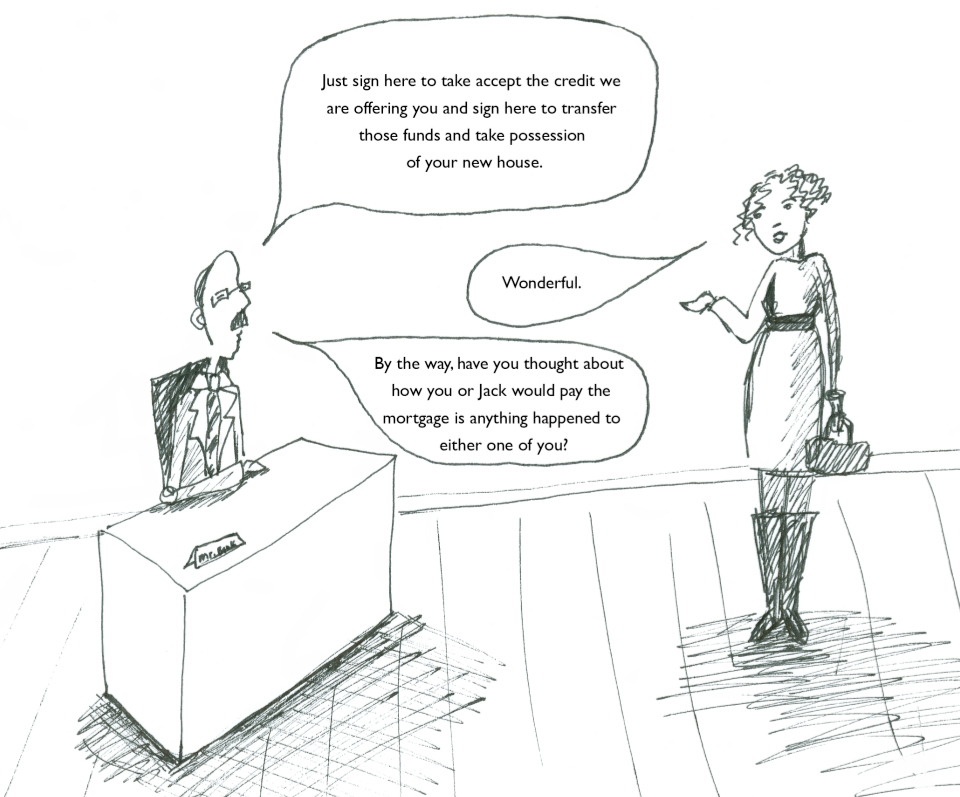
As Didi says in the novel (Findependence Day), “There’s no point climbing the Tower of Wealth when you’re still mired in the basement of debt.” If you owe credit-card debt still charging an usurous 20% per annum, forget about building wealth: focus on eliminating that debt. And once done, focus on paying off your mortgage. As Theo says in the novel, “The foundation of financial independence is a paid-for house.”

Wealthsimple & NewRetirement.com profile me on Findependence & Victory Lap

growconf-7e3020f3Making the rounds of social media this afternoon is a profile of Yours Truly created by Toronto-based robo adviser Wealthsimple.

It can be found at its Grow blog, titled One of Canada’s Favourite Money Gurus Tells Us How He Retired at 60 Without Ever Being Rich. We hope to run the piece in its entirety here at the Hub but in the meantime, social media waits for no one.

It was based on an interview conducted a few weeks ago and readers may find the prose as eclectic as the artists’ rendition of myself. But as one reader noted on Facebook, there’s plenty of personal finance “wisdom” in there (if I do say so myself): no surprise since it refers in part to last summer’s 7 Eternal Truths of Personal Finance that ran in the Financial Post, and which are revisited in the book I’m releasing this summer. Written with Mike Drak, it’s called Victory Lap Retirement. Link is to Mike’s new site, where you can preorder the book. We’ll resume running Mike’s Victory Lap blogs here at the Hub in a week or two.

The Wealthsimple profile also refers obliquely to the new book.

NewRetirement.com Q&A with me on benefits of Findependence

Also today, NewRetirement.com published a Q&A with me that also talks about Findependence and Victory Lap Retirement. Click on Jonathan Chevreau on the Benefits of Financial Independence. It does a pretty good job of summarizing what Mike and I describe in the book: the years of “slaving and saving” needed to get to the Findependence Finish Line (aka Findependence Day), and then the post-corporate Victory Lap phase that ensues.

MoneySense blog on Bonds

Continue Reading…

Retirement income planning for you and your spouse

patmckeoughBy Pat McKeough, TSINetwork.ca

Special to the Financial Independence Hub

There are a few retirement income planning steps you and your spouse can take to lower your taxes.
These steps work especially well if your spouse makes a lower income than you do.

There are lots of ways to shift investment capital and income to the lower-income spouse. This lets you lower your overall tax bill right now. It also ensures that each spouse gets roughly the same amount of income in retirement. That will cut taxes later, as well.

We’ve discussed other retirement income planning techniques like paying your spouse’s bills, setting up a spousal RRSP and swapping assets for cash or shares. Here are more ideas:

Reinvesting attributed income

Continue Reading…

The four Ds to buying your first home

An old wooden house in Dalarna, SwedenBy Sheila O’Hearn, Zoocasa

Special to the Financial Independence Hub

 “If a monkey can be taught to salt away money by sticking it in a sock, so can we.”

That’s what my partner and I told each other the day we decided to start saving for a home. Real estate can be tough, so we started our plan early. In some ways, it was madness. We still had to pay monthly rent and a first baby was on the way. It meant cutting back on activities we enjoyed, little extras and big extras.

But what we had going for us were the four D’s: the dream, the drive, the discipline, and a deadline.

Eventually we hit our target and moved to a small town where houses still cost less than they do in a city. Ours was a modest, century-old farmhouse that would require work, just right for my partner’s creative outlet. It was a cozy fit for our two additional children, but it was home and has been for 28 years.

How a person or couple saves for their first home is not a question of doing it one way, but of having knowledge of the options to make informed choices and a solid plan.

The dream

Continue Reading…

Millennial Blog Wrap: Budgeting now to be debt-free later

Business desk concept - BUDGETBy Helen Chevreau, Hub Staff

As a millennial, it’s important that we begin to create good financial habits to govern our lives, starting with budgeting.

From a healthy morning routine, to being grown-up about money, as we get into this new stage in our lives, we need to make sure to put ourselves on the right track, or risk ending up in serious financial trouble.

From the blog Making Sense of Cents comes a new post that touches on some common bad money habits that are extremely easy to fall into. Whether you’re of the “out-of-sight-out-of-mind” or the “it’ll-never-happen-to-me” mindset, or any of the other bad money habits mentioned, this post is here to help you change your ways before it’s too late.

Now, Not Later

Along the same lines, it seems that the bad habit of paying down debts more slowly to reap the rewards of ‘more cash in hand how’ is springing up, and Bridget Eastgaard of ‘Money After Graduation’ is here to tell us why that’s such a terrible idea. Continue Reading…

Choosing frugality amid social pressures to spend

Man keeping a woman from entering a store and begging her to stop shoppingBy Helen Chevreau, Hub Staff

As millennials, we often feel pressured by both the media and our peers to look and act a certain way. It’s a general rule of thumb that if you’re in your twenties or thirties, you’ll feel the strain of wanting the newest and best something at least once. Many of us will crack under pressure and eventually purchase that new iPhone (even though our current one works fine), or that new pair of jeans (even though we already have a pair in that colour).

The thing about succumbing to these societal pressures, though, is that for the most part, at the end of the day, we don’t feel better about ourselves after making these big purchases. In fact, a lot of the time, it’s quite the opposite. We see the shiny new product and our first reaction is “I need this now.” We can convince ourselves the price is irrelevant, and that it will pay for itself, or that it’s a necessity. But how frequently is that true? Do we ever really need to bow to those pressures?

Stop, Drop, Don’t Shop

5PfPMZGq
Mrs. Frugalwoods

It seems there is a trend emerging in the financial millennial blogosphere wherein bloggers enact a “shopping ban.” The terms of the bans vary by site, but the general premise remains the same:  a new consumption philosophy rooted largely in the theory of not purchasing anything.

“Mrs. Frugalwoods” of the blog Frugalwoods, for instance, is well on her way to going three years clothes-purchasing-free. Continue Reading…