 Posted By
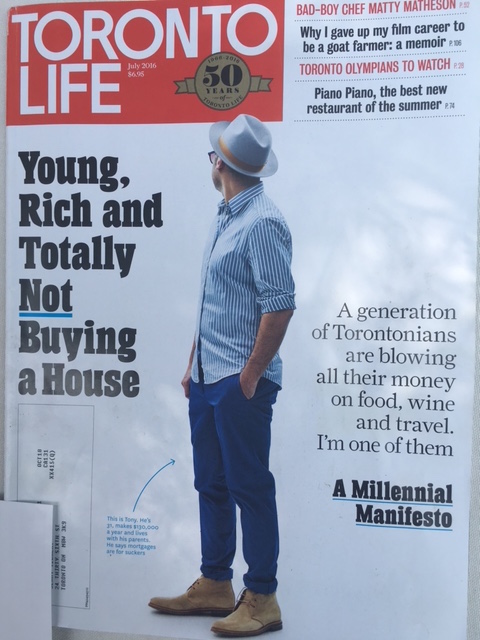
  You’re a millennial. You’ve recently graduated from university and are beginning your career. You aren’t making quite as much as you’d hoped for, and as it turns out, rent is crushingly expensive.
Okay, you’ll just put off moving out for six months, save some money, live at home. Everyone’s doing it these days. You’re sure that before you know it you’ll be on track to success, living it up in homeowner-ville, sitting pretty. You’re not quite sure exactly how you’ll get to homeowner-ville, but it can’t be that hard, right?
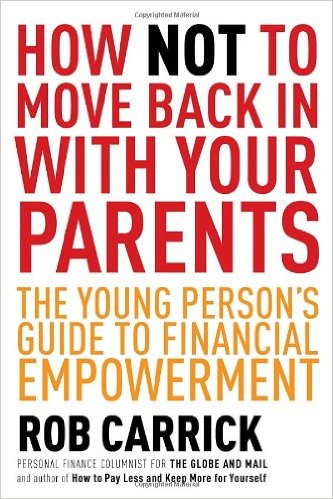
If any of this sounds plausible, I would seriously consider reading this wonderful book called How Not to Move Back in With Your Parents – The Young Person’s Guide to Financial Empowerment by Globe and Mail personal finance columnist Rob Carrick. I don’t want to be dramatic and say it will be your new finance bible, but it’s definitely a book you’re going to be referencing time and time again throughout those first few post-graduate years.
Something I really love about this book is that it’s broken down into great detail. Not only that, but it’s organized according to when in life you should be needing the advice.
Covering all the financial bases
 Posted By