Posted By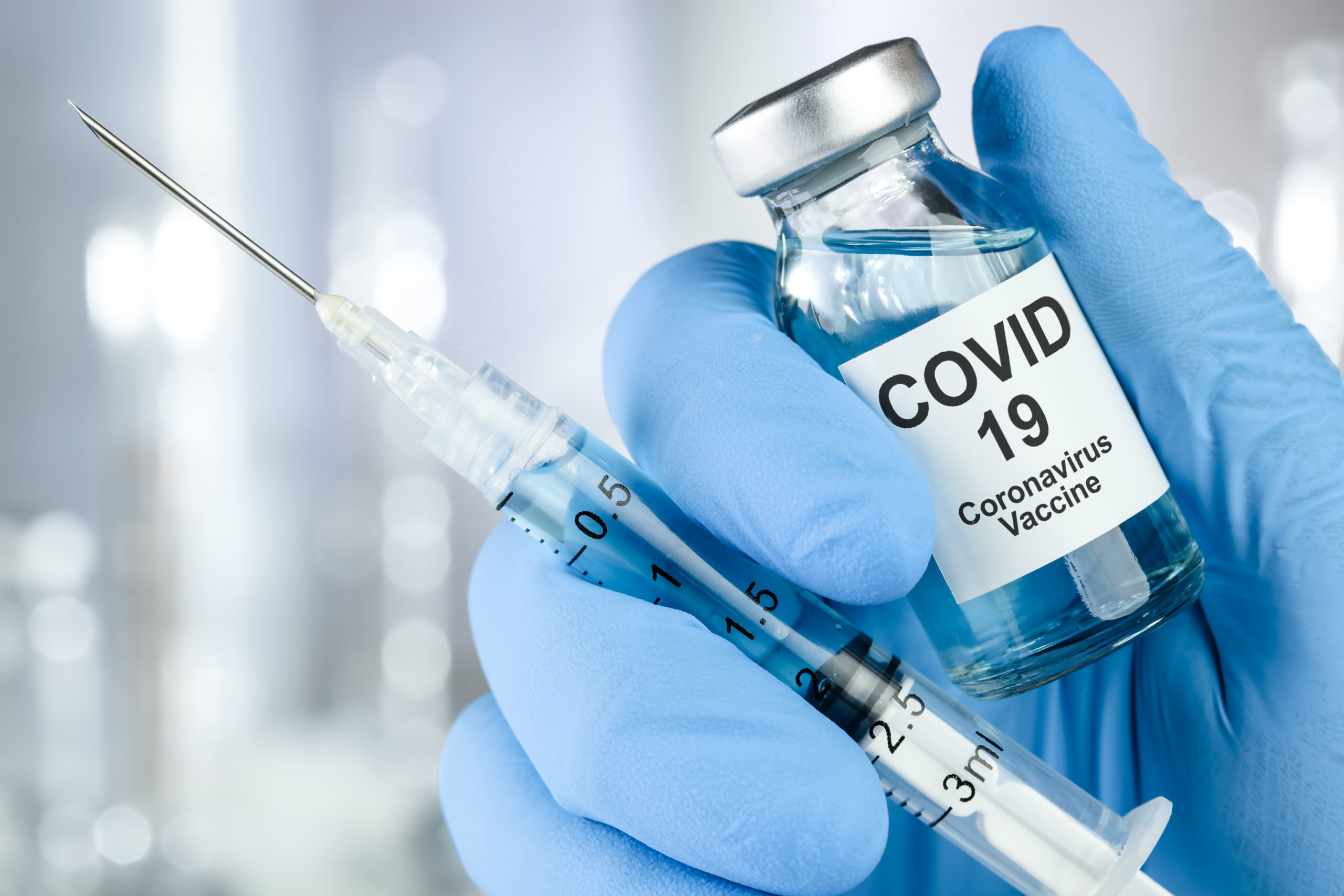
By Donna Johnson
Special to the Financial Independence Hub
COVID-19 certainly has made 2020 a year to forget for some, and as it wraps up with the holidays and new year, many people are assessing their financial situations and determining the next steps. The good news is it does appear a vaccine and more medicines are on the way. But still, getting these treatments out to everyone and getting the virus under control will still take time, so reopening the economy completely may not happen for several months yet. In the meantime, Americans are trying to manage holiday expenses and future budgets until the tide turns.
Covid-19 savings reallocation opportunity
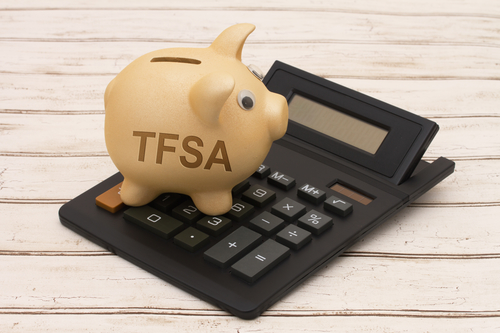
While it may be no fun to miss out on going to your favorite movie theater on Friday nights, or visiting your favorite theme park during vacation, consider the upside of this. The money you may have spent on all those activities is money you can tuck away for better use. Money you don’t spend as disposable income is money you can turn into either savings or investments. There are ways to use it that can be a return on investment if you do your planning right.
Building a emergency savings fund
The worst thing that could happen to you during a pandemic is getting laid off; in which case you will need savings to get by. Unemployment during the pandemic hit a high of about 14.4% back in April. But even if you’re still employed, sudden expenses like HVAC repairs, car repairs, and doctors’ visits still happen. When they do, you’re better off not putting all of those expenses on your credit card, or borrowing money from high-interest loans to pay for them. Instead, consider setting aside about $20-50 per week or per paycheck, let that money sit in a savings account untouched, and over time you’ll see it grow to potentially hundreds if not thousands of dollars in savings. And these savings should not be used for regular expenses like gas or rent, unless you’ve lost your job. But instead, prioritize sudden emergencies like car accident expenses or pipe burst repairs for these savings.
Use the time to refinance and tackle debt
Another thing you can do with extra savings is apply them to any outstanding debt accounts you have. Now one thing to note is that some debts such as federal student loans had payments suspended and interest rates set to zero. Continue Reading…

 Posted By