
General

How to manage your first Credit Card

a young business woman holding new credit cardBy Alyssa Furtado, RateHub.ca

Special to the Financial Independence Hub

When you become an adult is a matter of opinion. It could be when you turn 18, move out of your parents’ home, or land your first job. But for some, they joke that you’re not really an adult until you get your first credit card. I don’t know where the joke originated from but from a financial standpoint, getting your first credit card is practically a life event.

Depending on what province or territory you live in, you can legally get a credit card at the age of 18 or 19. Unfortunately, at that age, many of us aren’t making sound financial decisions, which is why you might be tempted to sign up for a new card on your college/university campus or even inside a grocery store or mall.

What credit card you select and the benefits it offers could affect you in the long run. So it’s a good idea to understand how to manage your first credit card before signing up for the first offer available to you.

Picking the right card

Receiving a free t-shirt or a travel mug may be tempting but if that’s the reason you’re signing up for a credit card, you can do a lot better. Continue Reading…

Retired Money: The Joy of Pension Splitting

Elderly couple in a meeting with an adviser discussing a document as she watches across the desk in her officeThe third instalment of my new bimonthly Retired Money column at MoneySense.ca has just been published online and focuses on the important topic of pension splitting, or pension income splitting.

You can read the whole piece by clicking on this highlighted headline: How to keep more benefits with pension income splitting.

As the piece observes, pension splitting can be manna from heaven for retired or even semi-retired couples where one is collecting a generous Defined Benefit or other employer pension and the other is not.

Nor is it as complicated a process as it may seem at first blush: you don’t have to actually divide such a pension and send some to each spouse: it all happens at tax-time when for tax purposes you choose what percentage of the pension each spouse should receive. Naturally there are multiple things to consider, such as other income sources, relative tax brackets and so on.

But the bottom line is that in many cases, it should result in thousands of extra after-tax dollars a year in the pockets of the couple as a unit. And that’s how couples should behave, isn’t it?

For more information about pension income splitting, a good place to start is the Canada Revenue Agency’s web site, and in particular this explanation. Note too that it includes a short video.


FinTech wars heat up as Robo firm NestWealth hires former BlackRock sales director

14fc7a1
Chris Hogg heads up new Nest Wealth Pro unit

The fin-tech wars are heating up on the Sales front: Toronto-based robo adviser NestWealth.com today announced it has hired the former Director of National Accounts for iShares BlackRock to head up its new B2B offering, Next Wealth Pro.

The hiring of sales veteran Chris Hogg is a “huge day for Nest and I think for the industry as a whole,” says NestWealth founder and CEO Randy Cass.

Nest Weath Pro is a new digital wealth management platform: it provides traditional brokerage firms, advisors, and asset managers with a “white label” turn-key solution that includes know-your-client tools and customizable portfolio management.

Disruptive shift

In a press release issued this morning, NestWealth said Hogg has more than 20 years industry experience, including the last three years at BlackRock. The release quotes Hogg as saying that “I’ve seen many changes within the industry, but have never encountered a shift as meaningful and disruptive as what we’re seeing today.”

Case said Nest Wealth Pro demonstrates that “technology and tradition can co-exist in a way that supports advisors and benefits their clients.”

NestWealth describes itself as “Canada’s largest independent Robo-Advisor.”

Speaking of disruption, there’s a good piece on finch’s impact on the banks in Thursday’s Financial Post. See ‘Disruption here and now’: Pressure of Uber moment transforming banks, conference told.

Housing Bubble? Why it’s Crazy to buy in Vancouver or Toronto

Beautiful view of Vancouver, British Columbia, Canada
Vancouver, B.C.

When central and southern Alberta experienced catastrophic flooding in June 2013 there were 32 states of emergency declared and over 100,000 people displaced throughout the region. Reports of price gouging at various retailers surfaced on social media; one story in particular claimed that an unscrupulous Calgary retailer was selling individual bags of ice for $20.

Given the urgency of the situation, and depending on your level of preparedness, what options do you have?

  1. Move on to the next retailer and hope to find an honest owner
  2. Go home with no ice and wait for the situation to return to normalCalgary-price-gouging
  3. Suck it up and buy the ice, grumbling the entire way home about how you got ripped off
  4. Hope for some kind of government intervention to protect you and other consumers from price gouging
  5. Borrow ice from a friend or neighbour who has plenty to spare

Continue Reading…

With $100 billion in assets, can ETFs catch mutual funds?

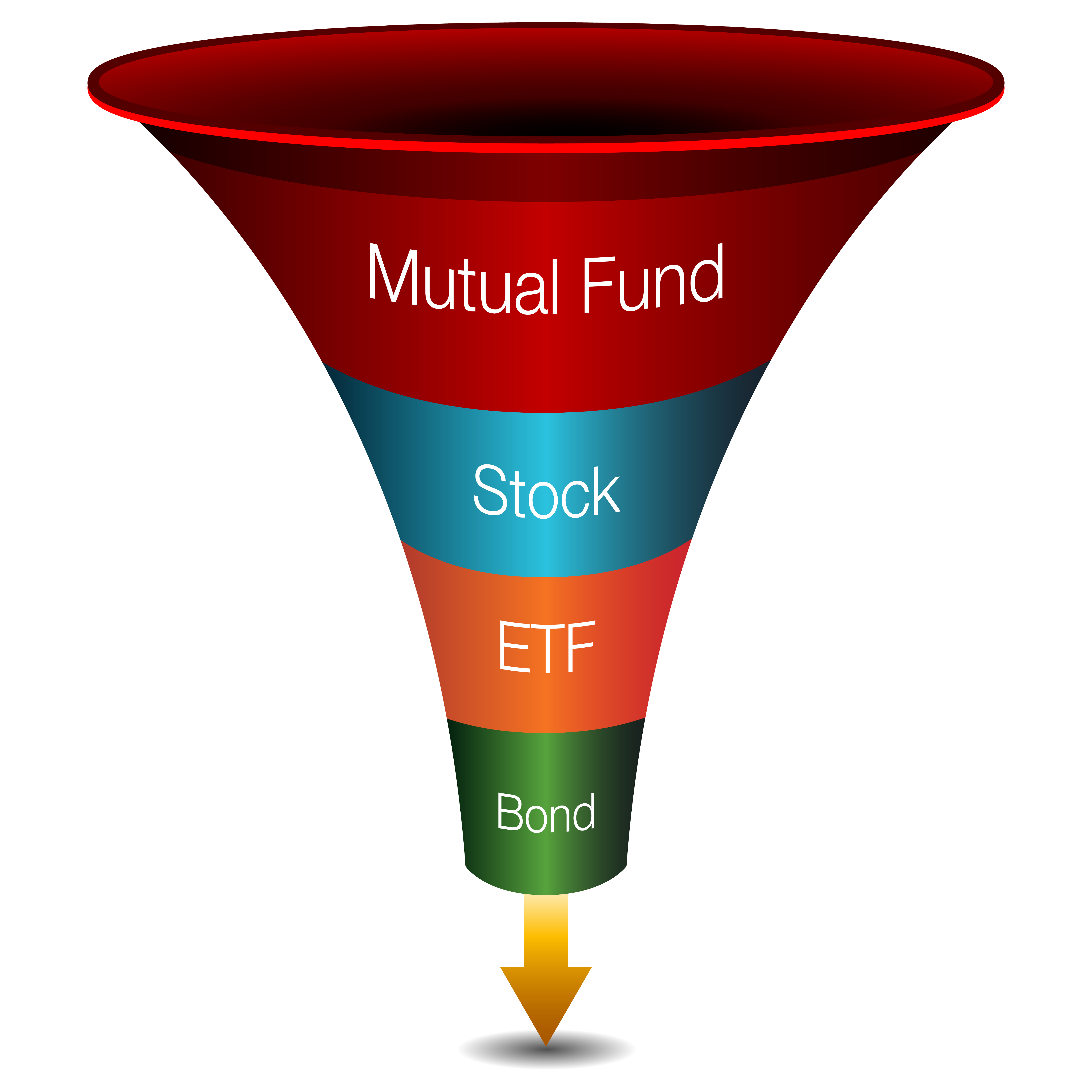
An image of a 3d investment strategies funnel chart.My latest Financial Post column can be found in the print edition of Wednesday’s National Post as well as online right now, under the title The market share battle between ETFs and mutual funds is heating up, as Canadian ETFs pass $100 billion milestone.

As noted earlier here on the Hub, the ETF (Exchange-traded Funds) industry recently passed the significant milestone of $100 billion in assets under management. See ETFs break $100 billion milestone in Canada. That’s “Billion” with a B, but is still less than 10% of the $1.1 Trillion (Trillion with a T) that the entrenched and much older mutual fund industry still enjoys.

As an aside, if you have difficulty grasping how big the number “Trillion” is then read a hub post by Ian Campbell: Can you put the number ‘Trillion’ in context?

The FP column asks the question why the huge disparity in Management Expense Ratios (MERs) of mutual funds (i.e. high at around 2.5% per annum) versus ETFs (typically around 0.55% but in some cases as low as 0.4 or 0.5%) hasn’t resulted in even more incursions by the ETF industry into the mutual fund space.

ETF sign is held by businessman.

Powerful bank distribution network

One reason is the entrenched positions of the Canadian banks, whose powerful distribution network (i.e. bank branches)allows them to sell their own in-house no-load mutual fund families. Of course, BMO, RBC and now TD all sell ETFs as well but I doubt you’ll see many recommended by your local friendly branch rep any time soon.

As the old saying goes, mutual funds are sold, not bought. Continue Reading…