Longevity & Aging

No doubt about it: at some point we’re neither semi-retired, findependent or fully retired. We’re out there in a retirement community or retirement home, and maybe for a few years near the end of this incarnation, some time to reflect on it all in a nursing home. Our Longevity & Aging category features our own unique blog posts, as well as blog feeds from Mark Venning’s ChangeRangers.com and other experts.

Retired Money: Should big savers still fear outliving their money?

MoneySense.ca: Photo created by freepik – www.freepik.com

My latest MoneySense Retired Money column looks at the topic of whether average savers transitioning to Retirement really need to fear outliving their money. The piece picks up from a blog this summer from Michael James on Money, which will be republished in its entirety tomorrow here on the Hub.

You can access the full MoneySense column by clicking on the highlighted text: How long will your retirement nest egg last?  In addition to citing Michael J. Wiener’s work, the piece passes on the views of two prominent recently retired actuaries: Malcolm Hamilton and Fred Vettese, as well as my co-author on Victory Lap Retirement, ex corporate banker Mike Drak.

Like this blog, despite being online the column’s scope is somewhat constrained by a word limit. In fact, in an email, Hamilton told me he didn’t think such a topic could be addressed in just 800 or 900 words.

Actuary and retirement expert Malcolm Hamilton

“Why? We presume that good advice is universal … that it applies to everyone. It does not, particularly when addressing concerns about running out of money. For years I have looked for evidence that large numbers of seniors spent too much and suffered as a consequence. I haven’t found anything persuasive.”

No one knows how much Canadians should save or how quickly they should draw down their savings after retirement, Hamilton added: “Some people are frugal. They save heavily before retirement and spend sparingly after retirement, leaving large amounts to their children when they die. We all want parents like this. Others are spendthrift. They save little before retirement and live frugally after retirement because they have no money except government pensions.”
Finding balance between extremes of Over-Saving and Over-Spending

Give the powerful gift of Decluttering to your Loved Ones

By Akaisha Kaderli, RetireEarlyLifestyle.com

Special to the Financial Independence Hub

Stuff, stuff, and more stuff!

My sisters and I were fortunate.

My Mother was a very forward-thinking individual. Years before she (and my Father) died, Mom started going through her closets, her paperwork, her jewelry, the items in her safe, her garden area and the storage shed next to it.

She tossed items that were outdated, expired, and the things that were no longer useful to her household. She gave away cherished items, met with a lawyer, updated her will, and made funeral arrangements.

Neighbors and friends thought it was odd but comforted themselves by saying “that’s just Betty.”

Mom, on the other hand, knew exactly what she was doing.

The years were passing by, and she didn’t want her daughters to be burdened with having to clear out piles of stuff from her home after she and her husband died. She had the foresight to put her affairs in order before the events of their deaths.

These days, the courtesy and care of what my Mom was doing now has a name. It’s called dostadning, a hybrid of the Swedish words for death and cleaning.

Not everyone is on board

My Father was much more of a patterned man. He liked his routines and his schedule. Mom? She was a tornado.

I truly think it made him nervous to have familiar (but no longer useful) items be given away or tossed out. He learned long ago not to quibble, and he picked his battles. He didn’t help Mom prepare for the inevitable, but he didn’t stand in her way, either.

Differing styles of dealing with life and death

Over the years since my parents’ passing I have watched friends and other family members deal with the demise of loved ones: in-laws, close friends, siblings or their own Mother or Father. In every case, the chaos left after a death was totally overwhelming.

In the situations where the loved one downsized after retirement, it was easier. Few people would carry pay stubs from the 1940’s into a newer, smaller home. But that was not always the case.

Many people get comfortable – not being able to let go of the past – with children’s bedrooms not touched since they left the house and married. Or countless boxes in the attic of holiday items that are no longer used, or grandchildren’s drawings and painted rocks jealously kept for their loving memories.

All well and good … except that when one passes on, these mementos are left for family members to sort out.

When the adult children go through all this — stuff — full-blown emotional meltdowns or something close to it can happen during the process. Sorting through a loved one’s home after a death is the last thing anyone feels like doing.

Morbid or renewing?

I get it.

No one wants to be chased by the idea of the Grim Reaper at their door. But keeping what you love – and getting rid of what you don’t – isn’t morbid. It’s more like a relief, like a renewal.

There is something very empowering and healthy about taking care of your own space and making it more organized. Clutter is really just a bunch of decisions that you’ve put off making. Most of the junk we have is simply stuff screaming out for a place to be or a decision to be made. Keep it (not countless duplicates) in its place or get rid of it.

Approaches to clearing your clutter

There are lots of ways to get started. There’s the brutal approach, the simple approach, and everything in between.

Brutal begins like this: If your home burned down, what would you replace? Continue Reading…

Retirement planning software and the 70% Rule

By Ian Moyer

(Sponsor Content)

Individuals who are following conventional retirement-planning may be in disbelief as they approach retirement and discover that they cannot afford to retire just yet or are likely to outlive their retirement funds.

The 70% Rule

Common practice is to save enough so that your annual retirement income equals about 70% or more of your current income. Of course, many Canadians are not aware of such information entirely and have saved little or not enough for their retirement.

With this being said, there are still some fundamental issues with this understanding. One, few people have a complete understanding of their retirement resources or a realistic view of their retirement funds. In some cases, 70% retirement pay usually isn’t enough to sustain them in retirement.

Example

We’ll use the fictitious name Tom for this example. Tom is making $60,000 annually living a modest lifestyle. Tom will qualify for CPP and OAS. Tom only contributes through his employer-directed contribution program, which is $2500 a year.

Tom also saves $13,000 in a regular checking account, an additional $3,000 in non-registered savings and $12,000. Tom is a conservative investor and he thought he was doing pretty well saving what he can and living a modest lifestyle.

Using Cascades to do retirement planning at the age of 54 using the above figures. Tom discovers his annual income will only be approximately $38,250. After taxes per year. Going back to the common practice of 70% Tom needed minimum $42,000 per year as retirement income. This leaves Tom needing to find a way to make an additional $3750 a year. Tom would need a part-time job, choose not to retire or drastically change his lifestyle in retirement.

For a lot of individuals, they will have to work longer than they planned or seek part-time employment during retirement. This could be a problem for retirees and employers. In order to navigate this issue before it starts employers need to assist their employees with retirement planning.

Sample Cascades recommendations for maximizing an estate

How can we change this?

The first step would be for employers to become more effective at helping employees realistically prepare for and manage their retirement. For example, this could include a process or program to build up wealth accumulation prior to retirement, which could be a mix of LIRA, Capital Gains or RRSP just to name a few.

A second step would be for employees to change their behaviours and thoughts around retirement savings. Employees can make changes by becoming more proactive when it comes to saving. When some individuals think about saving for retirement after they attend school, buy a home, raise children and send them to college sometimes it can be too late. Continue Reading…

Part-time job options for Seniors

Photo Credit: Unsplash.com

By Sharon Wagner

Special to the Financial Independence Hub

Retirement is your time to relax. You don’t have to report to a full-time job and the kids are all grown up, so it can be tempting to simply kick your feet up and do absolutely nothing. Staying busy during your retirement years will help keep you healthy, however, and is even shown to improve happiness. A part-time job provides a challenge and gives you purpose.

Getting a part-time job also has obvious financial benefits. Many Americans [and Canadians!] fear running out of money in retirement. With a steady income flow, you will have to rely less heavily on savings or pension accounts. You will also have more money to spend on hobbies you enjoy, such as traveling or trying out new restaurants. Discover three part-time jobs for retirees below.

If you love culture: work in a museum

If you have an appreciation for art, a gig at a museum may be the perfect choice for you. Working as a tour guide or customer service rep will require you to interact with visitors regularly. Responsibilities might include handling inquiries, answering questions, and ringing up purchases. You’ll also learn and memorize new facts. Challenging your brain like this is important to stave off the mental decline that may otherwise come with age.

As people age, they also lose muscle mass due to a condition known as sarcopenia. A museum job will require you to be on your feet, standing and walking around, and can fight such decline. Research has further shown that attending cultural events improves health among seniors, resulting in lower blood pressure, for instance. You can scout out possible positions via an online museum job search platform.

 If you enjoy working with kids: become a teacher

According to a Stanford University study, both kids and seniors benefit when they come into contact. Older adults who work with kids have been seen to welcome the sense of purpose the interactions give them. The intergenerational relationships also benefit little ones, who can learn from an older person’s life experiences, patience, and emotional stability. Continue Reading…

Leveraging life insurance: a smart financial planning strategy

By Michael Pilz

Special to the Financial Independence Hub

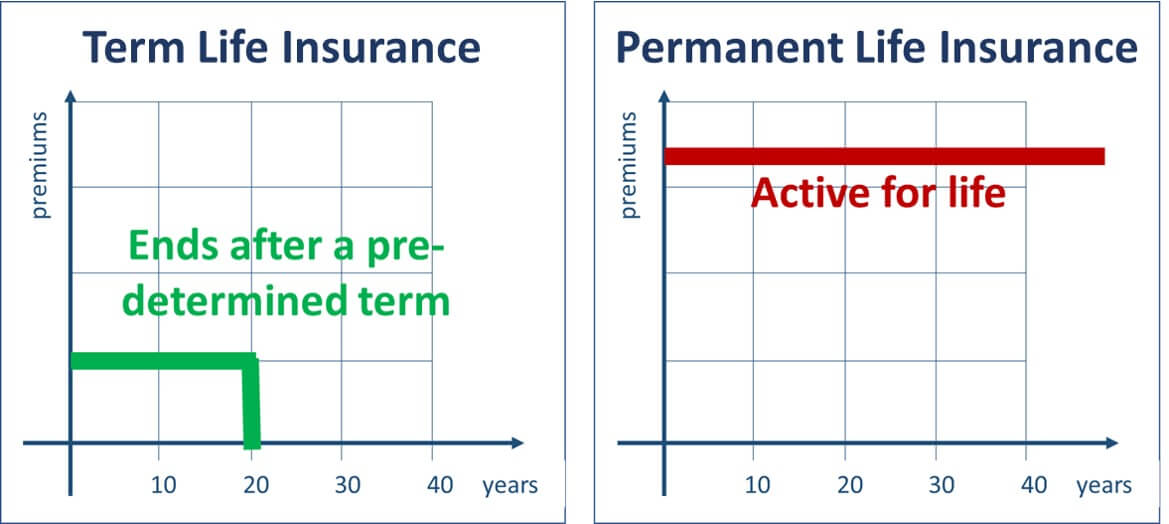
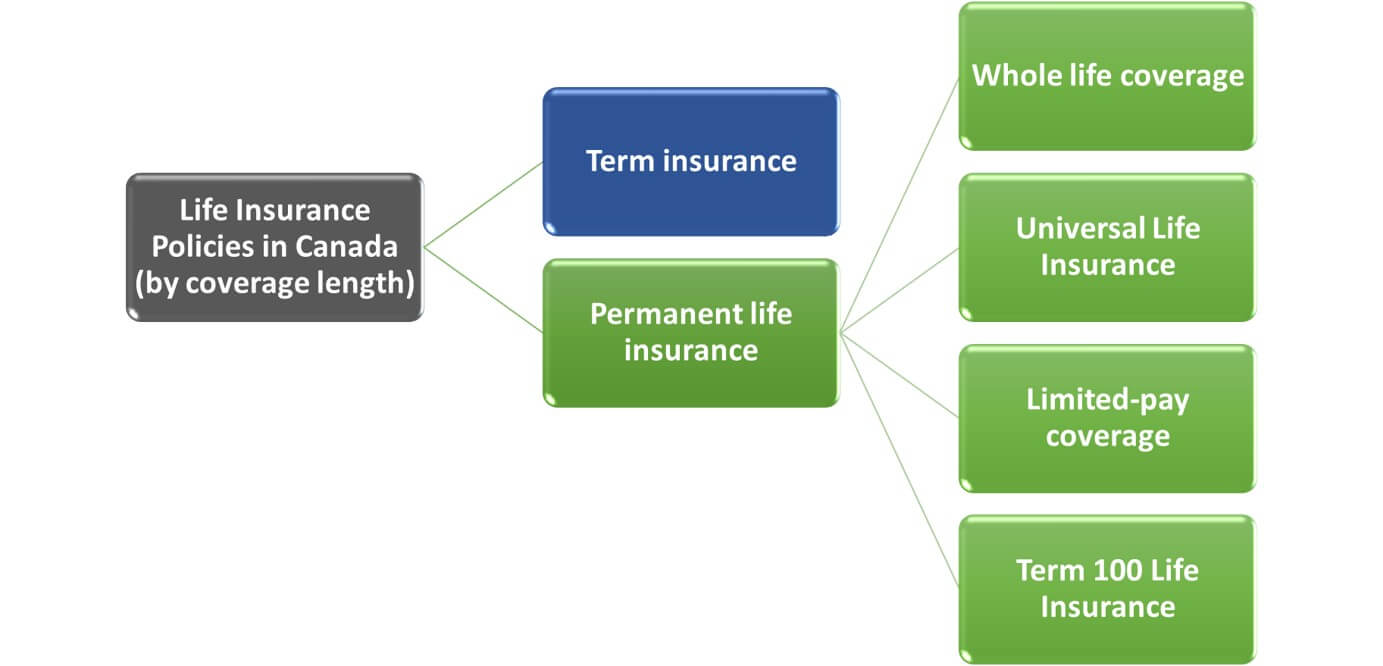
Life insurance policies can represent a significant, untapped source of capital. While life insurance is often strictly thought of as a death benefit, many permanent policies also have a cash component. This cash component can be leveraged to secure a line of credit that can be used for a variety of purposes, such as a means of supplementing retirement income or to access upfront capital quickly, perhaps to take advantage of an investment opportunity.

An insurance policy that has cash value should be on the table as an option for those who either need or want to access cash by using some of the assets built up over their lifetime. Thinking of insurance differently – and communicating how it can be used to create a living benefit – can open up a world of possibilities.

Rethinking Whole Life Insurance

Insurance policies are great investment vehicles for those who have an immediate need for death benefit coverage, and would also like to park and protect capital in a tax-sheltered vehicle during their working years. But what happens when those who are older, a sizeable chunk of cash has accumulated over the years, and there’s a better use for this cash now instead of passing it on to beneficiaries down the road? And what if they want to leverage the cash value of their policy while also leaving their policy intact?

The Equitable Bank Cash Surrender Value (CSV) Line of Credit enables borrowers to convert the value of their insurance policy into cash. It is a non-amortizing loan product secured against the cash surrender value of a whole life insurance policy. Unlike a traditional loan or line of credit, the interest from the CSV Line of Credit capitalizes and is typically repaid through insurance proceeds at the time of policy redemption. However, a borrower can also opt to make ongoing payments or to repay the entire loan at any time without incurring a penalty.

Does a CSV Line of Credit make sense?

Leveraging a life insurance policy’s cash value can help fulfill a variety of different needs or wants.

Many can benefit from tapping into the cash value that has built up within their policy during their working years to supplement retirement income later in life. High-income earners who run out of RRSP and TFSA contribution room and have excess cash may find their insurance policy especially valuable for this purpose. Think of it as killing two birds with one stone: during prime working years, a whole life insurance policy meets an immediate death benefit need while serving as a mechanism for building up a nest egg that can be leveraged in the future when there’s a need for cash. Continue Reading…