

 Posted By
  By Mark Venning, ChangeRangers.com
Special to Financial Independence Hub
For this my 8th year of suggested titles for “booking up” in the subject area of ageing and longevity there’s only one book in a stack of others on unrelated subjects.
As I observed last year, with countless new books in this subject area arriving each year, sometimes I find a scarcity of new books that help to move the societal conversation, for I tend to lean towards those which focus that way, and those that offer an age inclusive global perspective where possible.
First up then, published in Australia, is The Age-friendly Lens (2023) a Routledge collection of essays/case studies edited by Christie M. Gardiner &Eileen O’Brien Webb, compiled in 2 parts; Age-friendly Systems and Age-friendly Housing & Accommodation. The chapters feature insights from around the world: Canada, Netherlands, Poland and Australia for example. In part as the introduction says, this book is “recommended reading for policy makers, politicians, think tanks and lobbyists who are all-age-inclusiveness.”
For a taste, Chapter 13 is available in Open Access on Taylor Francis Publishing: International standardisation of products and services for ageing societies: Promoting the global application of an age- friendly lens. I promote this as it is written by a team of members on the ISO TC314 Ageing Societies Standards Committee, of which I am a relatively new contributing member represented in Canada on the Standards Council of Canada.
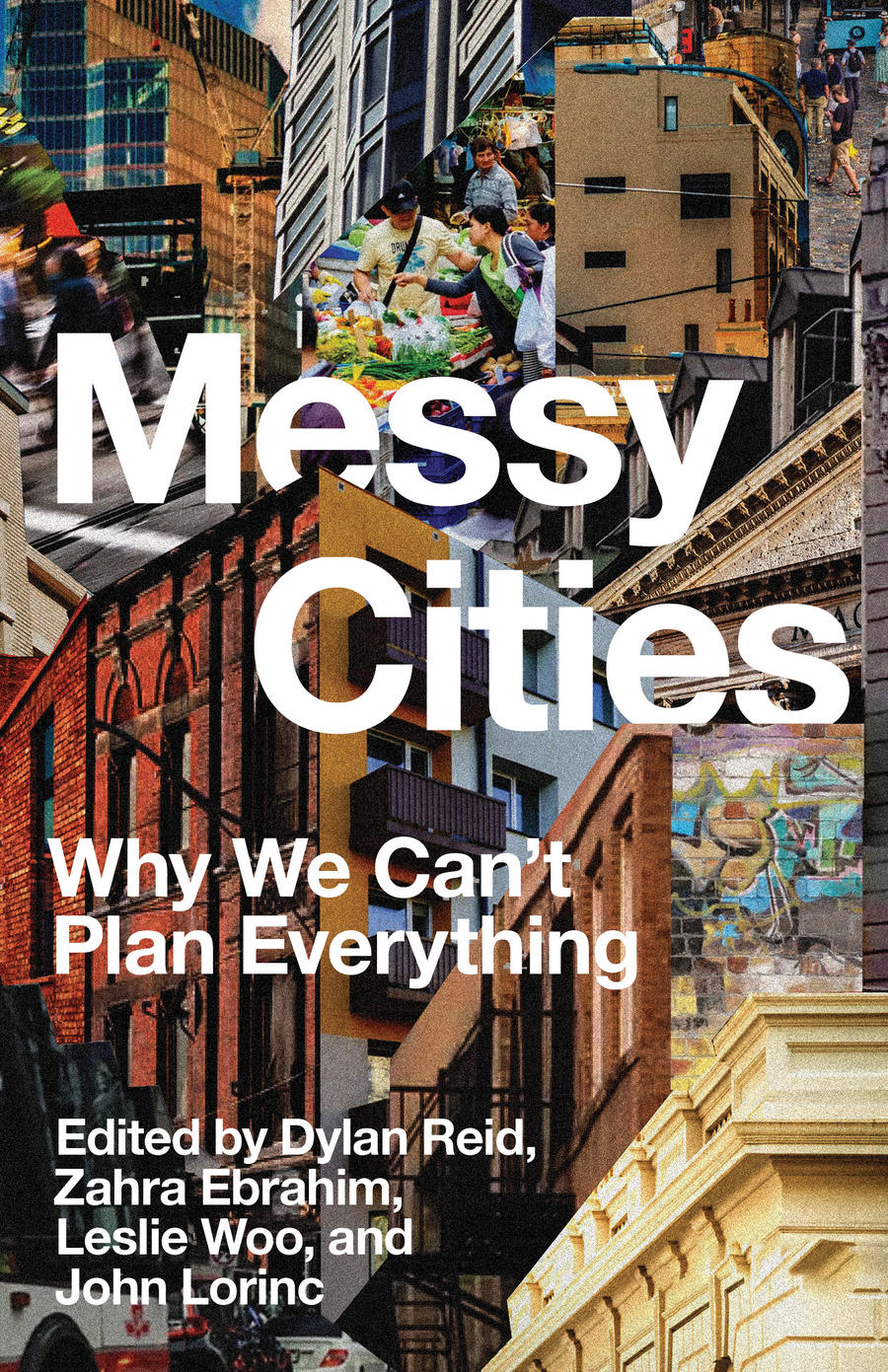
As somewhat of a connection off centre from this age-friendly lens, as it relates to age-friendly cities, I mention this next book on my summer reading list, new this summer: Messy Cities: Why We Can’t Plan Everything (2025) a collection of over 40 short essays edited by Dylan Reid, Zahra Ebrahim, Leslie Woo & John Lorinc – asking myself to wonder, how does messy work when we consider the design of an age-friendly or age inclusive city?
Urbanist admired Toronto
In Dylan Reid’s “sneak peek” of this book about messy urbanism, on his Desire Lines Substack, the story is told about how urbanist James Rojas came to Toronto in 2007 and admired it for the “sort of less than manicured quality to the whole thing … and coupled with a huge diversity of people, the city ends up feeling gloriously messy, in a functional and walkable way.”
Well Toronto, my original home city, is still messy, a 2025 version one can observe. And not to be disturbed, while I wait for this book to arrive this week, I have directed myself to inspect Reid’s 2010 essay Bless This Mess, which will tone me up in the meantime.
Moving 40 minutes away after fifty-plus years living and working in Toronto, I still have fondest memories of the messy 1970s when of all things, for a few blessed years, Toronto closed off a portion of downtown Yonge Street into a summer pedestrian mall.
In another happenstance way, I think I’m going to enjoy this specific summer read on urbanism which makes in my anticipation, for extra mental momentum as it coincides with memories of my recent two weeks in Venice, often described as “an improbable city,” where I viewed exhibits in the 2025 Biennale Architettura, and let me suggest, therein I imagined the shades of age-friendly within the mix of the messy and the pristine.
 Mark Venning is a researcher, writer and commentator on topics regarding the social and business aspects of ageing populations, where he proposes changing concepts in “recoding a longevity society.” Mark is an Associate Member of the International Federation on Ageing. This blog originally appeared on Mark’s Change Rangers blog on June 17, 2025 and is republished here with his permission.
