Tag Archives: debt

Graduating from College? Your financial future starts now

By Jackie Waters

Special to the Financial Independence Hub

Graduating from college is a huge milestone. You’re now ready to start your career, and you’re excited about getting a house or apartment, a car, a new work wardrobe, and more. But all of those things cost money. And don’t forget repaying student loan debt, insurance premiums, utility bills, food costs, and a long list of other expenses. Since you’re facing these new expenses, it’s essential to create a solid financial plan.

Make a budget and manage your debt

Experts recommend starting your monthly budget by thinking of the “50-30-20” rule. After receiving your first paycheck, you’ll know your net income, which is how much you receive after paying taxes and insurance premiums. From your net income, put 50 per cent towards needs such as rent, utilities, and food; another 30 per cent towards non-necessities or “wants;” and the final 20 per cent towards debt repayment and savings. However, if your student loan debt is substantial, flip the percentages so that 30 per cent goes towards debt repayment and savings, and 20 per cent goes towards wants.

Student loans are usually broken up into several loans with varying interest rates. The best way to tack them is to pay off the loans with the highest interest rates first. Pay the minimum towards the balances with the lowest interest rates, and make larger-than-the-minimum payments on the loans with the highest interest rates. “The biggest mistake you can make is paying the minimum into each loan and waiting until you make more money when you’re older to deal with them,” warns Time.

Look to the future

Life is full of unexpected surprises, so an emergency fund is crucial. If your car needed a major repair, if your laptop needed replacing, if you lost your job – what would you do? If you have an emergency fund, you’ll be able to pull from there instead of from your monthly budget. People often face going into debt because they have no way to cover unexpected expenses. To prevent this from happening to you, plan for the unexpected by putting a small amount of each paycheck into a savings account.


Continue Reading…

Why it’s NOT okay to be in debt when approaching Retirement

By Douglas Hoyes

Special to the Financial Independence Hub

While we all strive for a Victory Lap leading to our Findependence, a growing number of Canadians can only dream about getting out of debt.

Every two years my firm, Hoyes, Michalos & Associates Inc., releases our Joe Debtor report, where we profile our clients who have filed a bankruptcy or a consumer proposal.  In our report two years ago we reported that seniors are the fastest growing risk group for insolvency, and that’s still the case today.

Almost one in five insolvencies involve pre-retirement debtors in their 50s, and more than one in 10 (12%) involve seniors in their 60s and 70s.

What’s the problem?  Shouldn’t older Canadians have a lifetime of savings to rely on as they enter their Victory Lap?  Many do.  If you had a well-paying stable job that allowed you to save and build assets,  have an employer-provided pension, or have been fortunate enough to own a house during the current real estate boom, you are probably in great shape heading into your golden years.

Many over 50s still have dependents

However, not everyone in the over 50 crowd is as fortunate.  Continue Reading…

Life Planning Basics: The Importance of an Emergency Fund

Photo Credit: Pexels.com

by Jackie Waters

Special to the Financial Independence Hub

When setting up your financial life plan, it’s important to understand the absolute necessity of an emergency fund. Before you can start saving for what you want in your future, you have to save some for all the stuff you don’t want or expect to happen.

The main purpose of an emergency fund is to protect against life’s many contingencies. This includes, but is in no way limited to; job loss, medical co-pays, car troubles, home repairs, child expenses, and unexpected travel needs. Without an emergency fund, you’re forced to turn to other means to pay for things you simply can’t ignore. Many turn to credit cards, which increases personal debt and leaves people in insurmountable holes. It’s nearly impossible to invest in your future when you’re sitting under a pile of debt.

How much should be in your emergency fund?

Continue Reading…

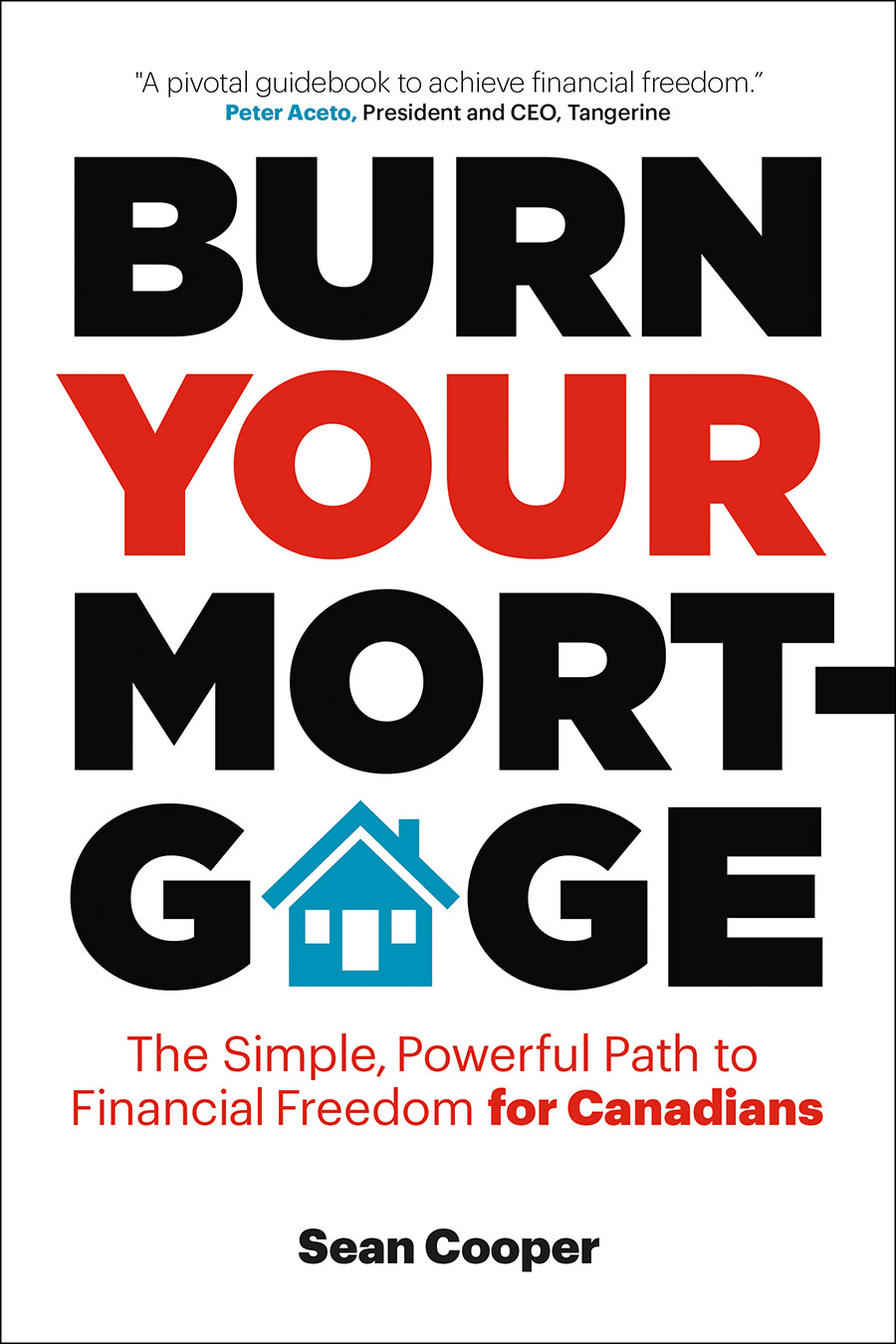
Burn Your Mortgage: The simple, powerful path to Financial Freedom

By Sean Cooper

Special to the Financial Independence Hub

Five years ago I read Jonathan Chevreau’s financial novel, Findependence Day, and it changed my life forever.

One of the central themes of the book is that the foundation of Financial Independence is a paid-for home. I wasn’t a fan of six figures of mortgage debt hanging over my head for the next 30 years, so I aimed to pay off my mortgage as quickly as possible.

A little over a year ago I reached my goal of “Findependence” when I burned my mortgage – literally. I paid off my home in Toronto in just three years by age 30. Thanks to a stroke of luck and good timing, the story went viral, making headlines around the world from the U.K. to Australia. I received hundreds of email from people congratulating me and wanting to follow in my footsteps.

This inspired to me write my new book, Burn Your Mortgage: The Simple, Powerful Path to Financial Freedom for CanadiansWith home prices skyrocketing in cities like Toronto and Vancouver, many feel like  the dream of homeownership is out of reach. I’m here to tell you that it’s not. I may have paid off my mortgage in three years, but that doesn’t mean you have to. There are simple yet effective lifestyle changes that anyone — from new buyers to experienced homeowners — can make to pay down their mortgage sooner.

Some people argue it doesn’t make sense to pay down your mortgage early with interest rates near record lows. I see it differently. Instead of using low interest rates as an excuse to pile on more debt, use them as an opportunity to pay down the single biggest debt of your lifetime: your mortgage.

Here’s an excerpt from my book that looks at why you’re most likely better off paying down your mortgage instead of investing. [Editor’s Note: the official launch of the book is today.]

Why pay down your Mortgage when you can come out ahead Investing?

Continue Reading…

When you should NOT invest in an RRSP

Eva Wong, Borrowell

By Eva Wong, co-founder, Borrowell

As the March 1 deadline looms for contributions  to a Registered Retirement Savings Plan (RRSP) this year, many Canadians will be thinking about how much they should contribute to their retirement savings.

Perhaps surprisingly, for many, that number should be zero.

That’s because 30 to 40% of Canadians carry a balance on their credit cards, where many of them are paying 19.9% interest and even more.

To pay 19.9% interest on money that is borrowed, and invest money in an RRSP where it would only earn a return of 6 or 7%, doesn’t make sense.

Let’s say someone had $5,000 to either pay down their credit card or invest in their RRSP, and they chose to put that money into an RRSP. They would pay $995 in credit card interest and earn only $300 in return on their investment, assuming a 6% return

There may be situations where if they had the discipline to use their tax refund to pay off some of the balance on their credit card, it could work out evenly — but that assumes a high enough income to get a significant tax refund and the discipline to use the tax refund to pay off debt.

Paying down debt is a guaranteed return

Continue Reading…