Here’s a Look at the Best Investments to Hold in a TFSA – and Why
Image via Deposit Photos
We recently had a question from a member of Pat McKeough’s Inner Circle that asked:
“Pat, I hold Intel in a non-registered account with a capital loss showing and am thinking of transferring it to my TFSA “in kind” with no tax penalty. Is Intel a suitable stock to hold in a TFSA?”
We’re not tax experts, so you might want to consider talking to an expert, especially if there are large funds involved.
However, transferring shares in kind into a TFSA does trigger a capital gain or loss for income tax purposes.
If the investment is in a capital gains position, you will have to declare it as a capital gain on your income tax return. But if there is a capital loss, you will not be able to declare the loss for tax purposes. This is because the government still sees you as the beneficial owner of the security.
Note that if you sell the shares in a non-registered account, you can deduct your loss against capital gains. For example, if he were to sell his Intel shares in 2023, he’d get to deduct the loss against his 2023 capital gains.
If you still have capital losses left over, you can carry them back up to three years (2022, 2021 and 2020), or forward indefinitely to offset future capital gains.
Hold Lower-Risk Investments in a TFSA
We think it is best to hold lower-risk investments (such as blue-chip stocks we see as buys like Intel) in your TFSA. That’s because you don’t want to suffer big losses in these accounts. If you do, you can’t use those losses to offset capital gains, as is the case with taxable (non-registered) accounts. You’ll also lose the main advantage of a TFSA: sheltering gains from tax. You won’t have gains to shelter if the value of your investments falls. Continue Reading…
No matter what goes on in the news, Washington or the world, to build a stable tomorrow, we must take control of our own lives. Even with all the current upheaval, here are five things you can do today to empower yourself.
Track spending
This is the number one most useful financial technique to implement today. Imagine if businesses did not track their expenses. How would they know the financial health of their enterprise? It is no different for you and me. It is paramount to know where your money is going and what percentage of your net worth you are spending.
Know your net worth
Assets minus Liabilities equals Net Worth. Place a value on everything you own and subtract what you owe. This figure is your net worth. Now divide how much you spent last year by your net worth number and you will have your percentage of spending to net worth. Continue Reading…
What can golf teach you about financial freedom? You’d be surprised… These lessons from the golf course will help you become a finance whizz.
Pixabay
By Jordan Fuller
Special to Financial Independence Hub
Golf and personal finance share surprising similarities: both take precision, patience, and strategy to be successful. Just as golfers navigate challenging courses with a clear plan, approaching your financial journey with foresight and discipline is the best way to get the result you want.
This article explores how lessons from golf — planning, mastering fundamentals, adaptability, and learning from mistakes —can guide us toward building wealth and achieving financial freedom. By aligning these principles with your financial goals, you can chart a course to lasting prosperity.
Lesson 1: The Importance of Planning
In golf, players develop a course strategy before teeing off, analyzing each hole to decide on club selection and shot placement. This preparation helps them to navigate challenges and optimize performance during the game.
Similarly, in personal finance, setting long-term goals and crafting a detailed financial plan can set you up for success from the start. This approach helps you anticipate financial obstacles and make informed decisions, leading to a secure financial future.
Lesson 2: Master your Basic Techniques
In golf, a proper grip, stance, and swing form the foundation of a consistent game. The grip is the only connection to the club, influencing your control and power over the golf ball. A correct stance keeps you balanced and aligned, while a smooth swing leads to accurate shots.
In personal finance, grasping core concepts like budgeting, saving, and investing early sets the stage for financial stability. Without these as a strong foundation, success will be much harder.
Budgeting: Tracking income and expenses helps manage spending and achieve financial goals.
Saving: Building an emergency fund and setting aside money for future needs provide a safety net and prepare for unforeseen expenses.
Investing: Allocating funds to assets like stocks or bonds can grow wealth over time, leveraging the power of compound interest.
Lesson 3: Adaptability
In golf, each hole presents unique challenges — varying terrains, weather conditions, and obstacles — that require players to adjust their strategies on the go. This adaptability is a big part of success on the course.
In personal finance, adapting to economic changes is just as important. Markets fluctuate due to things like inflation, interest rates, and geopolitical events. By diversifying your investment portfolio across different asset classes, you can manage risk and capitalize on opportunities in various market conditions.
Lesson 4: Consistency over Spectacular
In golf, consistently playing steady shots often leads to better scores than attempting risky, spectacular ones. This approach minimizes errors and builds up your confidence over time.
When it comes to investing, steady, consistent contributions harness the power of compound interest, leading to much bigger accumulation of wealth. For example, investing $50 monthly in an S&P 500 ETF over 20 years can grow to approximately $43,700, showing how regular, modest investments can yield great returns.
This strategy reduces exposure to market volatility and avoids the pitfalls of high-risk ventures. Both in golf and investing, a disciplined, consistent approach often outperforms the allure of high-risk, high-reward tactics.
Lesson 5: Short Game Mastery
In golf, excelling in your short game — putting and chipping — is a must if you want a good score. You can’t just rely on a powerful drive … It’s the smaller, less impressive moves that really count.
Mastering short-game techniques allows golfers to recover from missed greens and avoid unnecessary strokes, directly influencing their final score. Don’t just stick to the golf mats on the driving range: spend time on the putting and chipping green too. Continue Reading…
Wealth-building plays a critical role in securing your financial future. More than just having enough money to cover day-to-day expenses, it’s about creating a financial cushion that allows you to navigate life’s uncertainties and enjoy peace of mind in the long term.
Whether your goals are to own a home, provide for your family, or retire comfortably, it’s essential to take steps to build your wealth as soon as you can. Follow the smart financial strategies listed below to help you set a solid foundation for achieving your long-term wealth-building goals.
Start the Process by Creating a Realistic Budget and Sticking to it
Your budget is the cornerstone of your financial plans. As such, it’s important to set a solid foundation for achieving your long-term goals by putting together a realistic budget that reflects your financial needs and capabilities. This means keeping a record of your expenses, categorizing your spending into essential and non-essential items, and using these details to plan your future spending. Having a clear picture of where your money goes can help you identify areas where you might be overspending and adjust your budget if needed. Once you’ve established control over your finances, you’ll have more room to save and invest for the future.
Build an Emergency Fund that can Sustain your Household for several months
There are circumstances, such as illnesses and accidents, that may require you to immediately shell out money or disrupt your source of income for some time. These can quickly derail your finances if you’re not adequately prepared. That’s why building an emergency fund is crucial. Start as early as possible to grow your funds; open a bank account with high-yield savings, such as Maya’s Personal Goals or Time Deposit Plus that let you earn at least 4% p.a. and up to 5.75% p.a., respectively. Aim to set aside 3 to 6 months’ worth of living expenses in such accounts. This fund will serve as a financial buffer so that you won’t need to rely on credit cards or loans when an emergency arises. Having an emergency fund gives you a sense of security and keeps your wealth-building efforts on track.
If you have Debt, make a Priority of Paying off High-Interest Debt First
Debts, particularly high-interest debt like credit card balances, can severely hamper your ability to build wealth. Focus on paying these debts first to prevent your balance from ballooning even further. If you have multiple high-interest debts, consider using either the avalanche method (pay the debt with the highest interest rate first) or the snowball method (start with the smallest debt for quick wins). You may also want to consolidate debts so you only have to worry about one amount and one deadline. Once you’re free from high-interest debt, you’ll have more flexibility to redirect your money toward savings and investments that grow your wealth.
Look into Investing in Retirement Accounts as early as possible
Even though retirement may seem too far into the future, it’s never too early to plan for it. In fact, the sooner you start investing for retirement, the better. Aside from government-backed retirement plans like the Social Security System (SSS) and Personal Equity and Retirement Account (PERA), you can also put some of your money in investment products like time deposits or stocks. Consistently contributing to these accounts over time allows you to benefit from compound interest, which grows your investments faster. Prioritize retirement contributions as part of your wealth-building strategy to ensure that you’ll have a secure financial future when you’re ready to stop working.
Diversify your Investments to Control Risk and earn Long-Term Returns
Instead of putting all your money in one place, spread it across different types of investments, such as stocks, bonds, mutual funds, or real estate. Each type of investment behaves differently under various market conditions, so diversification helps protect your wealth from sudden market downturns. If you’re new to investing, consider working with a financial advisor or using investment apps that provide access to diversified portfolios with lower entry points. Continue Reading…
Unlock the path to Financial Independence with insights from 14 industry leaders who have mastered expense tracking to achieve their goals.
From uncovering spending patterns to ensuring every dollar is accounted for, business leaders share how these simple habits can transform financial awareness.
Packed with actionable advice and real-world experiences, this article offers a comprehensive guide to making expense tracking a cornerstone of your financial success.
Tracking Expenses Reveals Spending Patterns
Use Budget Trackers for Financial Goals
Monitor Spending to Identify Unnecessary Costs
Set Up Budgeting Apps for Expense Tracking
Regularly Review Spending for Financial Goals
Categorize Expenses to Optimize Spending
Track Every Dollar for Financial Awareness
Automate Expense Tracking for Financial Discipline
Avoid Lifestyle Inflation with Expense Tracking
Stay Educated on Personal Finance Strategies
Separate Commission Checks for Financial Stability
Use Zoho App for Expense Tracking
Make Expense Tracking a Habit
Treat Financial Education as Ongoing Process
Tracking Expenses Reveals Spending Patterns
Tracking expenses has been a game-changer for my Financial Independence journey. I started by meticulously logging every purchase, from my morning coffee to weekend activities. This habit revealed surprising patterns. For instance, I discovered I was spending an astronomical amount on dining out. By cooking more at home and finding free or low-cost activities, I’ve cut my food expenses by 40% without sacrificing enjoyment.
I’ve found that the key to successful expense tracking is making it a daily ritual, as consistent as brushing your teeth. I use a simple spreadsheet, categorizing expenses and color-coding them based on necessity. This visual approach helps me quickly identify areas where I’m overspending.
My advice? Start small and make it fun. Create a “Money Challenge” for yourself. Set a budget for exploring local attractions and see how creative you can get. You might find that free activities are more rewarding than expensive outings. Remember, some of the best things in life—like enjoying nature or spending time with loved ones—are absolutely free. — Joe Hawtin, Owner, Marin County Visitor
Use Budget Trackers for Financial Goals
Tracking expenses has been like having a financial compass, guiding me steadily toward my independence goals. It’s interesting how, when you start paying attention, those small, seemingly inconspicuous expenses add up much like stray grains of sand forming a desert. I remember when I first began meticulously noting every transaction: everything from coffee runs to larger business expenses. It was a revelation to see where my money actually went, allowing for informed adjustments.
One time, I noticed just how much I was spending on subscription services. It became evident that some provided value while others were just nice-to-haves that could be trimmed. This insight gave me the clarity and discipline needed to funnel resources into areas that genuinely supported my goals. At spectup, we often stress the importance of financial literacy and discipline to startups, emphasizing how a penny saved is indeed a penny earned, if not more.
For anyone aiming for Financial Independence, I’d suggest starting with a simple yet powerful tool: a budget tracker or even a basic spreadsheet. Regularly reviewing it can help spot trends, unnecessary outflows, and potential savings. Another tip is to categorize expenses into ‘needs’ and “wants” — a method that not only flags areas ripe for cutbacks but also enhances conscious spending decisions. Financial Independence is less about deprivation and more about strategic allocation and investments that align with one’s dreams and ambitions. This practice, over time, builds a healthy foundation for independence, much like a sturdy scaffold supporting the tallest of towers. — Niclas Schlopsna, Managing Consultant and CEO, spectup
Monitor Spending to Identify Unnecessary Costs
Keeping track of my spending has been crucial for achieving my Financial Independence goals. By monitoring where my money goes, I’ve been able to spot unnecessary expenses, like eating out too much or keeping subscriptions I don’t use anymore. This awareness helps me direct my money toward more important goals, such as saving for retirement or investing. Using a budgeting app has made it easier to track and categorize my spending, which highlights areas where I can improve.
One piece of advice I’d give to others is to set clear savings goals and treat them like must-pay bills, making them a priority over non-essential spending. It’s also important to have an emergency fund and ensure your budget can handle unexpected expenses without affecting your long-term goals. Regularly reviewing and adjusting your spending helps you stay focused and disciplined, speeding up your journey to Financial Independence. — Matthew Ramirez, Founder, Rephrasely
Set up Budgeting Apps for Expense Tracking
Tracking my expenses has been instrumental in keeping me focused on my Financial Independence goals. When I first started my company, managing finances was crucial not only to the business but also to my personal goals.
I began by setting up a dedicated budgeting app to track where every dollar was going, breaking down my expenses into categories like essentials, business investments, and personal spending.
This habit of tracking helped me identify patterns I hadn’t noticed: like small recurring costs that added up over time, which I could cut or reinvest.
One experience that really solidified the importance of tracking was when I noticed my dining-out expenses were eating into my savings goals more than I realized.
Cutting back on that allowed me to reallocate funds towards business tools that directly supported my company’s growth. For anyone aiming for Financial Independence, my advice is to start small but stay consistent.
Use a tool you’ll stick with, review your spending weekly, and set achievable targets. Monitoring expenses not only keeps you aware of spending but also provides a sense of control over your path toward financial freedom. — Aseem Jha, Founder, Legal Consulting Pro
Regularly Review Spending for Financial Goals
Tracking my expenses has been essential to staying on track with my Financial Independence goals. By regularly reviewing my spending, I’ve clearly understood where my money goes and where I can make adjustments. This transparency helps me avoid unnecessary expenses and prioritize saving and investing for long-term goals.
One key benefit of tracking my expenses is identifying patterns. For example, I noticed that small, recurring subscriptions were adding up over time, and cutting back on those had a noticeable impact on my budget.
Tracking my expenses also helped me evaluate the return on investment for both personal and business expenses, ensuring that every dollar spent aligns with my broader financial objectives.
For others aiming for Financial Independence, I advise starting small and being consistent. Use apps or spreadsheets to track every expense, no matter how minor it seems. Set realistic goals, like reducing discretionary spending by a certain percentage or automating savings. Most importantly, review your expenses regularly and adjust your strategy as needed.
By staying disciplined and aware of your financial habits, you can gradually build a solid foundation for economic independence and peace of mind. — Fawad Langah, Director General, Best Diplomats
Categorize Expenses to Optimize Spending
Tracking my expenses has been essential to staying on course with my Financial Independence goals. As CFO, I’m used to analyzing budgets and understanding the power of detailed financial oversight. By tracking my personal spending, I’m able to identify where my money is actually going and, more importantly, make adjustments that align with my goals. Seeing exactly how much is allocated to necessities versus discretionary spending gives me a clear picture of my financial habits and where I can optimize.
One tip I’d share is to categorize expenses into “needs” and “wants.” This simple division has been invaluable, helping me prioritize what’s truly essential and allowing me to cut back on less critical spending without feeling deprived. I recommend using a reliable app or software for tracking; it keeps everything organized and accessible, making it easier to spot trends over time.
Another strategy I use is setting quarterly spending goals instead of focusing just on monthly budgets. This allows for flexibility while still maintaining oversight, so I can adjust for any unexpected expenses without losing sight of my broader financial objectives. Tracking expenses isn’t just about cutting costs, it’s about having a clear plan and adjusting as you go, helping you achieve financial freedom with greater control and less stress. — Brian Chasin, Chief Financial Officer, SOBA New Jersey
Track every Dollar for Financial Awareness
Tracking my expenses has helped me stay on track toward my Financial Independence goals. It’s one thing to have a general idea of where your money goes, but actually seeing every dollar laid out is a real wake-up call. When I started tracking everything, from big expenses like rent to small daily coffee purchases, I noticed patterns I hadn’t expected. Those small, everyday expenses add up fast, and seeing them written down made it easy for me to see where I could cut back without feeling like I was depriving myself. Instead, it helped me make decisions that were more in line with my long-term aims.
If you’re serious about Financial Independence, start with something simple, like a basic spreadsheet, and just stick with it. You don’t need any fancy software to see where your money’s going. I started by tracking every little thing: coffee, takeout, random purchases-and honestly, just seeing it all laid out showed me where my money was going. I started noticing spots where I could cut back without really missing out. Little tweaks like that can add up over time, and it’s an easy way to start working toward your bigger financial goals. — Mushfiq Sarker, Chief Executive Officer, LaGrande Marketing
Automate Expense Tracking for Financial Discipline
In my journey towards Financial Independence, meticulous tracking of my expenses has been a lynchpin. It has provided me with an accurate picture of where my money is going, empowering me to make informed decisions. For instance, by identifying non-essential expenditures, I was able to divert funds towards worthwhile investments, precipitating a 20% increase in my profitability over five years.
For those pursuing the same goal, my advice is to embrace automated financial management tools. These tools streamline expense tracking, allowing more focus on strategic decision-making. Also, I advocate for the adoption of a mindset that regards every expense as an investment:a strategy that has guided my own financial growth and stability. — David Chen, Director of Finance, Srlon
Avoid Lifestyle Inflation with Expense Tracking
Tracking expenses has been invaluable in maintaining focus on my Financial Independence goals. By monitoring where every dollar goes, I gain a clear picture of my spending habits and identify areas where I can cut back or adjust. It’s crucial to allocate spending in alignment with my values and long-term objectives, meaning I consciously choose to invest more on experiences that enrich my life rather than mindless consumption. Continue Reading…


 Posted By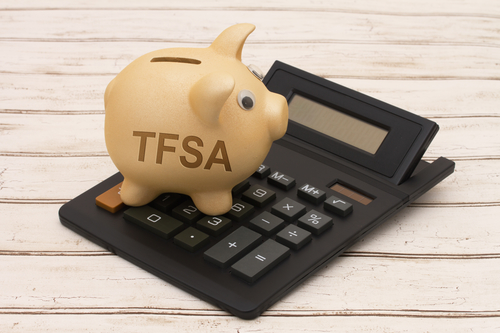
 Posted By