One of the most useful books I read in preparation for a recent talk I gave on longevity was The Longevity Revolution, published in 2008 by Robert N. Butler, M.D. Apart from being a Pulitzer Prize winner, Dr. Butler is also the founder of the International Longevity Centre.
The book is subtitled The Benefits and Challenges of Living a Long Life. Butler observes that in less than 100 years, human beings have made greater gains in life expectancy than it did in the preceding 50 centuries. From the Bronze Age to the end of the 19th century, life expectancy grew by only 29 years or so, from 20 to just under 50 years. But in the 20th century, Life Expectancy surged another 30 years to reach over 77.
The paradox of a downside to what should be good news
Billy and I have been on the road meandering through continents for over two decades. While we like to think of ourselves as spry, flexible and ready to take on the world, truth is, we are no longer twenty or thirty years old. Traveling at our age of 63 presents challenges that we didn’t have when we were younger. Energy levels have changed and our bodies require different comforts in order to feel well.
If you are in your fifties and sixties with active wanderlust, independent journeying is still possible. Take advantage of what we have learned over the years.
The Importance of Sleep
The value of sleep is a priority that we protect, since its absence is felt for the next day or two – creating havoc in moods, energy level and even decision making. Whenever possible, we no longer take red-eye flights. Air travel has become more complicated in recent years and it’s enough to handle the new requirements, the lines, and the disorientation of time zones without adding severe sleep schedule interruptions. Besides, what’s the rush? Continue Reading…
For young people seeking to become financially independent, one of the most important underlying principles of frugality is making the most of your existing assets. Put simply, this means learning how to spend only what you must, how to invest strategically, and how and when to save.
Here are a few tips on how to address each of these points:
Spend Wisely
Being frugal with your money is always a good idea, and for some it’s a fairly basic practice: you spend only what you need, when you need to, without gratuitous or unnecessary expenses. However, even those who believe themselves to be strategically frugal with their finances may be surprised to see how many costs they can cut if they really sit down and analyze the situation.
Thankfully, doing so has become easier than ever before thanks to, you guessed it, an app—or rather a whole slew of apps, designed to assist in financial tracking. You can read about a number of these apps at Daily Worth, although the most popular options are Mint and GoodBudget. Both tools help to provide you with a comprehensive, visual display of what you spend and what your overall financial situation looks like.
With these sorts of tool handy, or simply with a detailed financial tracking system of your own, you can effectively create a budget based on your own financial situation and your particular habits. You can then adjust your spending habits wherever possible to ensure that you’re spending no more than you really need to.
Our adventures around the world allow us to interact with many younger travelers in cafes and restaurants. Travelers are a great source of information about where they have been, places to stay and where to avoid. Things to do and the best way to get to a destination are often the topics of conversation.
Many times we are asked about how we can afford to travel for so long and then there’s the predictable wistful response: “I wish I could do what you’re doing.”
That’s when I tell them they can.
I explain in simple terms about investing and how they can create their own pension or annuity or as I like to call it a “personal money machine.” It is right about now when their eyes glaze over like they are speaking with their crazy uncle at a Thanksgiving Dinner.
I bring their attention back by saying they have something that I do not have; time. Usually I get a nod and a blank stare. I go on and ask if they know what “compounding” is. More often than not, they do not have a clue. These are college grads or they are taking a break from school to pursue their traveling bug. But to my surprise they do not understand the concept of compounding, which, in my opinion, is the easiest way to build wealth.
According to Investopedia, the definition of compounding is “the ability of an asset to generate earnings, which are then reinvested in order to generate their own earnings. In other words, compounding refers to generating earnings from previous earnings.”
Imagine celebrating at your retirement party without a clue as to how much you can expect to receive in pension income. It sounds incredible, but many people who will end their career in a few years are in just that situation.
When you work for an employer you receive your salary, but once retired your income can come from multiple sources. You need to know how much you will receive from these sources.
Since CPP is one of the cornerstones of retirement income, this is where I will begin.
A brief history of the CPP
The Canada Pension Plan (CPP) is a national public plan that covers people in all provinces except Quebec. It was created in 1966 by the government under Lester B. Pearson. Quebec wanted its pension monies to be under their control and so became the only province with its own program.
When CPP was created the contribution rate was 1.8% of pensionable earnings, to be shared by employers and employees; self-employed persons were on the hook for the full amount. The first deductions were so minuscule that they were unsustainable to fund the retirement costs of the baby boom generation that was just beginning their working years. Also, life expectancies were starting to increase substantially. Continue Reading…


 Posted By
 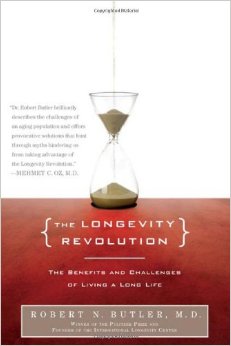 One of the most useful books I read in preparation for a recent talk I gave on longevity was The Longevity Revolution, published in 2008 by Robert N. Butler, M.D. Apart from being a Pulitzer Prize winner, Dr. Butler is also the founder of the International Longevity Centre.
 Posted By