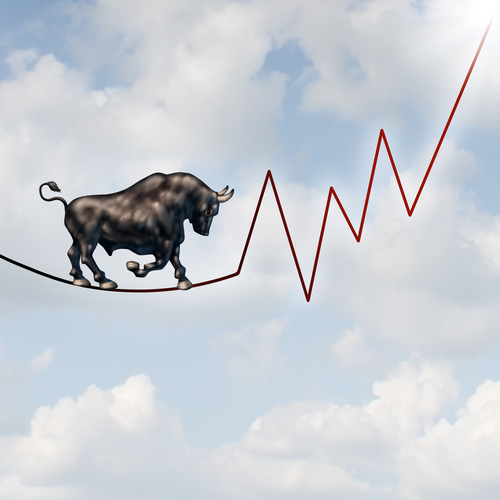
After a lengthy period of stock market gains, volatility has once again returned to the markets. While volatility can be unsettling, it’s important to remember that it’s a natural part of investing. In fact, it tends to occur far more frequently than most people realize.
Since 1956, there have been 22 occasions when the TSX declined by more than 10%. When you calculate the average of each of these occurrences, you discover that we have experienced an average decline of 19.5% every two and a half years.
Yet the S&P/TSX has delivered an annualized return of 9.2% since that time and has proven to be quite resilient through the worst market conditions that have occurred. Despite the frequent occurrences, the market has always recovered, achieved a higher level, and rewarded those investors who remained patient and stayed true to their investment plan.
Keep a long-term perspective
This stresses the importance of maintaining a long-term perspective. Volatility often causes panic and fear, which leads to investors making regrettable decisions, like liquidating and consequently locking-in investment losses. We need to accept volatility as being a common occurrence on the road to achieving our financial goals. When we consider the natural trajectory of the market is upward-sloping, it becomes clear that maintaining a long-term approach is really the best strategy to effectively deal with these inevitable declines.
As simple as this advice may be, it’s sometimes difficult to accept when the headlines scream it’s time to get out. There is vested interest in pessimism. No journalist ever captured the front page writing a story about how disaster was unlikely to occur.
Short-term market movements are mere “noise”
While it’s reasonable to monitor day-to-day events, it’s important to keep in mind that daily, weekly, monthly, even quarterly market movements are often little more than noise for an investment portfolio that likely has a time horizon of many years. That’s why it’s so important to practice patience and discipline by remaining in the market, as opposed to abandoning it believing that is the best way to preserve wealth.
There is no guaranteed formula to identify when the best and worst time to be in the market is. However, ensuring your portfolio is well diversified and by sticking with a long-term plan, the volatility you may experience today will become a distant memory as you work towards achieving your financial goals.
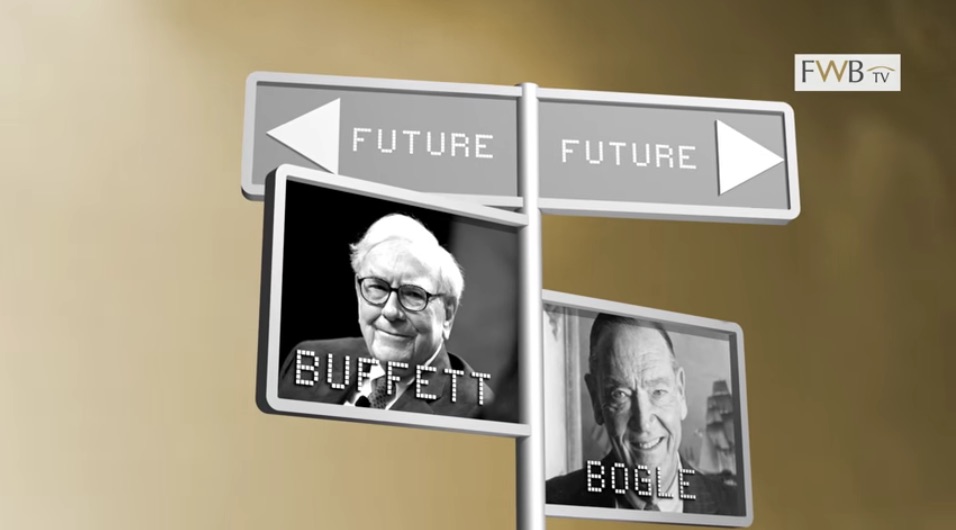
Warren Buffett says “The stock market is a device for transferring money from the impatient to the patient.” My advice to you is to remain patient, it will get better.
It’s times like these that people have lots of questions. Feel free to pass this blog on to friends and family that you think may benefit from this information. I will make myself available to anyone who wants to ask me any questions. There is no obligation to meet with me or become a client. It’s important that people are educated and don’t end up making a decision they will regret later.


 Posted By