As I argue in my latest online column for MoneySense, published this morning, I believe that the next big wave to be surfed by the baby boom generation will NOT be retirement, but Semi-Retirement. Click on highlighted link to access: Why semi-retirement is the future.
I’ve also argued that the boomers are largely going to be responsible for retiring the very word Retirement. This is of course the central theme of the book I co-authored with former corporate banker Mike Drak: Victory Lap Retirement, which MoneySense excerpted in its Summer retirement issue. See Why you wake up each day. (See also links to two recent reviews and a BNN clip listed at the end of yesterday’s blog: Millennials say Financial Independence defines Adulthood.)
Now a cynic might argue that in making the Victory Lap Argument, necessity is the mother of invention. A lot of us haven’t saved enough to retire in the style to which we’d like to be accustomed. Add to that the decline of corporate Defined Benefit pension plans and minuscule interest rates and there’s a lot to be said (at least financially speaking) for sticking at the old grind for five or ten extra years.
But those extra years don’t have to be spent as an employee in a corporate setting, complete with the challenges of coping with bosses, endless meetings, daily commutes and all the rest of it. There has to be a happy medium between corporate wave slavery and the traditional “full-stop” retirement that amounts to a permanent vacation. Some call this new stage between full-time careers and traditional retirement an encore career or a legacy career. We call it the Victory Lap.
When asked to define what constitutes adulthood, 40% of of millennials (aged 18 to 26) cited Financial independence, according to a Bank of America report issued on October 6. it was reported by Reuters under the headline “For millennials, adulthood now defined by financial freedom.”
As Bank of America executive Michele Barlow puts it, “It’s not so much that young adults are having trouble with adulting: they’ve simply redefined it.”
With so many millennials still living at home (often because they can’t afford to leave), it seems they view adulthood as being able to land a job and not depend on their parents for financial help. About 14% surveyed named moving out on their own as their top priority, while getting married, starting a family and getting an education were all cited by 7%.
This study is music to our ears here at the Financial Independence Hub. Of course, our definition of Financial Independence (or the contraction, “Findependence”) is a bit stricter than merely landing a job and no longer being financially dependent on parents. We tackled this early on: see the highlighted post, Merely leaving the nest does NOT constitute true Financial Independence.
Still, getting rid of debts, landing a job and no longer being dependent on the Bank of Mum and Dad is a huge step TOWARDS Financial Independence and ultimately what we used to call Retirement. While not quite synonymous with the outdated term Retirement, we view Findependence as having sufficient financial resources that you do not have to depend on employment income to make your daily and monthly expenses.
“Playing” at Dublin’s oldest pub (photo J. Chevreau)
As I write an early draft of this blog, I am in Dublin, Ireland, at the midpoint of the second week of a two-week holiday. Readers may recognize this blog’s headline as the subtitle of the new book I’ve recently published, Victory Lap Retirement. It was written with ex-banker Mike Drak, whose blogs have been regularly posted or republished here at the Hub.
I believe it was our editor, Karen Milner, who came up with this inspiring subtitle but whoever first articulated it, we all agreed on it once it came up. I often think of it when I’m working and really playing, or vice versa.
“Working” CIFFA executives at FIATA 2016 World Congress in Dublin this week.
For example, right now I’m working on writing this blog while officially “Playing” at being on holiday. The ostensible reason for the trip was to tack on a week’s vacation to a business trip my wife took to attend the FIATA 2016 World Congress in Dublin. That’s Ruth on the extreme right of the photo, along with colleagues and a spouse at a reception at Dublin’s Trinity College.
Such “Work” came at the end of a solid week of being a tourist elsewhere in Ireland, with the couple with whom we’ve been travelling.
I suggested to them in jest that the job of being a “tourist” would be a tough one if it meant 49 weeks a year, eight hours a day of “touristing,” however much it might seem to be a dream job. Come the end of any week of touring historical sites, art galleries and such – much of it on one’s feet, either walking or standing – you’d greet the arrival of the weekend and the cessation of tourism for a few days with some relief! (If you happen to be a Facebook friend, you can see about 40 photos of the trip under Ireland, here.)
It’s all relative really: if you were a writer for a Tourist guide book like Lonely Planet, you’d no doubt regard tourism as “work.”
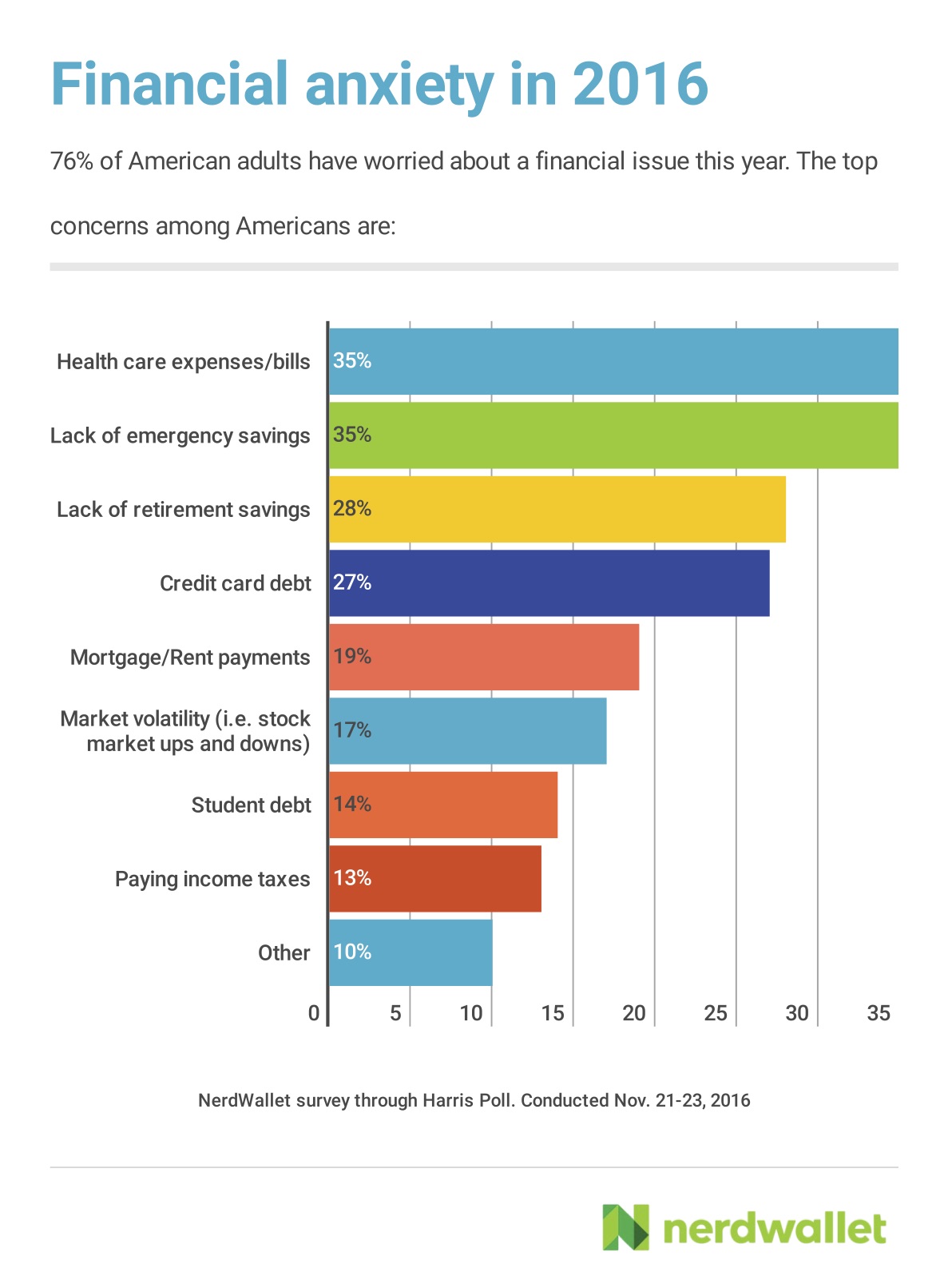
The adjacent chart shows the math and how much millennials would need to save every year, depending on whether the stock market generates its historic 7% annual rate or the more pessimistic projections of 5%.
Or you can scroll down below for a lightly edited transcript of the proceedings.
But first, here’s an overview written by Doug Hoyes, co-founder of insolvency trustees Hoyes Michalos:
Doug Hoyes
Doug Hoyes:
Today’s podcast is the first ever podcast interview with Jonathan Chevreau and Mike Drak together, talking about their new book Victory Lap Retirement. This is so exclusive an interview that the book won’t even be officially released until October 10, 2016 but it is available for pre-order at amazon.ca, and the Kindle version is available now.
Mike Drak created the concept of a Victory Lap as an alternative to retirement, and teamed up with Jonathan to write their new book.
So what is a Victory Lap?
You will have to read the book for a full description, but as Jonathan and Mike and I discussed the concept of retirement has changed significantly. Our grandparents and parents had a good chance of working at the same company until aged 65, and then retiring with a full pension before dying at age 70.
Today almost no-one works at the same company for their entire working life, and most employers no longer offer full pensions, so the old fashioned view of retirement at age 65 with a full pension is no longer reality for most workers.
Instead, we are working longer, and living longer.
The essence of Victory Lap Retirement is to leave corporate employment, which usually entails working for someone else, and enter a new and different phase of your life.
Mike and Jonathan wrote Victory Lap Retirement to show readers how to transition from a high stress work environment to a low stress sustainable lifestyle to enjoy a happier, healthier life. For many, that may involve turning a hobby or passion into income during your “retirement” years, or working part time to “stay involved.”
Debt and Retirement
Debt is a prominent subject in Victory Lap Retirement, including this quote:
…make breaking free from the chains of debt your first priority. Not only will debt limit your financial freedom severely, it will suck the life right out of you.
As we discussed, debt and retirement don’t mix. When you retire your income decreases, so it’s likely you won’t be able to afford payments on a mortgage or other debt in retirement. Get out of debt long before retirement.
Unfortunately that’s not always possible, which is why seniors are the fastest growing age group of people filing bankruptcy and consumer proposals. Older debtors, aged 50 and older, now account for 30% of all insolvency filings, up from 27% two years ago, and that number keeps growing.
Senior debtors, people aged 60 and over, have the highest amount of unsecured debt of any age group when they go bankrupt, almost $70,000. A growing percentage of them even resort to payday loans to stay afloat.
If you’ve got debt, retirement is very difficult. If you have trouble making your debt payments while you are working, it may be impossible to keep up when you retire and your income drops, which is why we all agree that eliminating debt is essential long before retirement.
In addition to eliminating debt, Mike and Jonathan suggest you ask yourself “what do I like to do?” and start planning your Victory Lap now.
For more, listen to the podcast or read the transcript.