Posted By
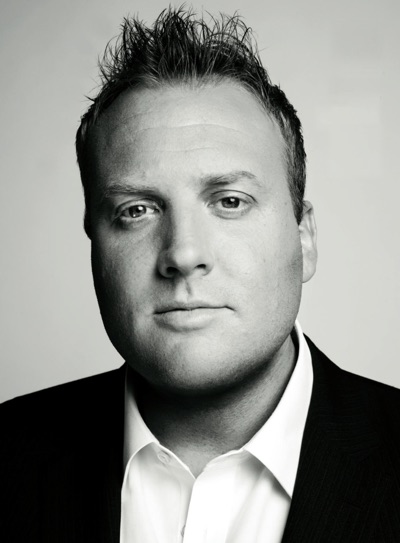
By Alan Moore
Special to the Financial Independence Hub
Two major issues make the concept of retirement planning difficult to grasp for many members of Generation Y. This group, also known as the millennials, ranges in age from the young twenties to the mid thirties. At this age, they have anywhere from 30 to 40 years (or more) of a working career ahead of them.
That makes the concept of retirement pretty abstract. It’s difficult to envision something more years into the future than years you’ve been alive!
The other issue that complicates matters is the fact the average American is living longer than ever before. Gen Y isn’t likely to retire at 63 and expire a decade later. Their retirement savings will likely need to last more than 20 or 30 years if they don’t want to outlive their nest eggs.
These two factors – the fact that retirement is decades in the future, and the fact that retirement itself may last decades – makes it hard for Gen Yers to get excited about the concept of retirement planning. It’s overwhelming to think of putting away your hard-earned money today for a time in life you can’t even imagine, and it’s overwhelming when you think of the lump sum of money you’d need to save to rely on for more than 30 years in your old age.
Making the Shift from Retirement Planning to the Idea of Financial Independence
The idea of a “retirement” wasn’t originally designed for what millennials will likely face in the future. The economy, job market, and corporate culture has changed (read: no more pensions, no more life-time job with a single company). It’s unlikely that younger generations will reach a certain age and simply stop working – and reasons why they shouldn’t keep piling up.
It seems that avoiding work that leaves you unfulfilled or stressed, and taking occasional breaks from hard work, is rewarding and good for us. But putting a complete stop to work? That leads to boredom and other problems for retirees.
Ultimately, research suggests we need to have purpose at all stages of life. So instead of putting the focus on retiring from work at some distant, fuzzy point in the future and being inactive until our lives come to an end, we need to focus on building a great life right now while making progress toward financial independence.
What Is Financial Independence, and Why Is It Better for Gen Y?
Financial independence means developing enough income to pay all expenses indefinitely, without needing to work full-time to bring in that money.
Why is the concept of financial independence something easier for Gen Y to grasp than the concept of retirement? Because it completely changes the goal and makes it much more realistic and attainable.
You’ve probably heard of the 4% rule, which says that you can take 4% out of an account on an ongoing basis. According to this, a nest egg of $1,000,000 will produce around $40,000 per year. The flip side is by creating an income stream of $3,333/month, it is equivalent to having saved one million dollars! For many people, it’s much easier to create a passive income stream of a few thousand dollars per month than it is to save up a lump sum of a million dollars.
And for most people who are financially independent, they use this freedom from an obligatory job to pursue (paying) work they feel passionately about. So they don’t feel the need to just stop working, and view financial independence as an opportunity to pursue activities they enjoy without having to stress about the amount of money they generate.
How You Can Get Started Now
In addition to what you save and invest from your full-time job, you can get started on financial independence by creating additional income streams on the side. The goal is to make these streams as passive as possible, to create cash flow that funds your freedom.
It’s important to start now because very few streams of income are 100% passive – and almost none are passive when you begin to establish them. To get you going, consider these ideas that you could take to build a small stream of passive income:
- Real estate: When you’re ready to move out of your starter home, don’t sell the property. Rent it out and let it become an income source for you instead. Note that this path is not for everyone; being a landlord can be tough and expensive if you want to go 100% passive (by hiring a management company to handle your tenants for you).
- Building a side business: Your own business can become passive with time – but it takes a tremendous amount of work to grow it to that point. So start now! Create a side hustle or side business that you can work on and grow in your free time. This generates more income for you to invest now, and can provide an income stream in the future when you’re ready to scale back on your working hours.
- Monetize a hobby: You can always take something you already enjoy and monetize it. If you work with something tangible (like creating art or other products), start selling what you make. If your hobby is something like an activity you do (think running or golfing), share your expertise and start teaching others.
- Leverage your current assets: Wisely investing your current assets is another way to create passive income (via dividends, for example). This is another path that won’t be for everyone, but it is an option that’s available.
There’s no limit to what kind of small income streams you can create, especially if you’re willing to work hard and establish them now. Financial independence is within reach, and much more so than any fuzzy concepts about a far-off retirement that sees you generating zero income, forcing you to live off a massive amount that you had to first save.
So forget about trying to plan for retirement. Work to reach financial independence instead. You’ll get there sooner and have more fun doing it.
 Alan Moore, MS, CFP® is the co-founder of the XY Planning Network and president of Serenity Financial Consulting, a fee-only RIA and location-independent financial planning firm. He is passionate about helping financial planners start and grow their own fee-only firms to serve Gen X & Gen Y clients largely ignored by traditional firms. Alan has been recognized by Investment News as a top “40 Under 40″ in financial planning, and by Wealth Management as one of “The 10 to Watch in 2015.” He frequently speaks on topics related to technology, marketing, and business coaching, and has been quoted in publications including The Wall Street Journal, Forbes and The New York Times. He lives in Bozeman, MT so he can hit the slopes on powder days.
 Posted By