Most of your investing life you and your adviser (if you have one) are focused on wealth accumulation. But, we tend to forget, eventually the whole idea of this long process of delayed gratification is to actually spend this money! That’s decumulation as opposed to wealth accumulation. This stage may also involve downsizing from larger homes to smaller ones or condos, moving to the country or otherwise simplifying your life and jettisoning possessions that may tie you down.
View of San Miguel from top of the Rosewood Hotel (Photo J. Chevreau)
Last week, my wife Ruth and I enjoyed a week’s vacation in San Miguel de Allende, which is located in central (and landlocked) Mexico. We’d been to Mexico several times over the years but never this particular community, which is not handy to a major airport.
It was also our first trip to Latin America in about five years, since we had been taking our February breaks in Florida in more recent years.
Ironically, San Miguel was prominently featured in the old magazine I published around the year 2000: The Wealthy Boomer. At the time, I remember being impressed by the fact the cost of living for semi-retired American and Canadian baby boomers was roughly half what it was in our home countries. This theme was also applied to various Asia locations in a Hub blog last year featuring the book Planet Boomer. See also my post, titled 5 Asian locations where retirement is more affordable than North America.
Trading high taxes for crime?
Back during the days of the tax-and-spend Jean Chretien Liberals, I found the Mexican expatriate fantasy quite compelling, so much so that I listened to Spanish instructional tapes on my long commutes to the National Post’s bunker then located in Don Mills. But the fantasy of becoming a tax exile/early retiree faded once the Conservative Party achieved power and seemed to offer at least the hope of more reasonable levels of taxation (the Tax-free Savings Account being a major positive example.)
Meanwhile, the unremitting press over drug-cartel-related crime in Mexico reached a crescendo in the last few years so we stopped visiting for a spell. Continue Reading…
Can a Registered Retirement Savings Plan (RRSP) ever get too large? From time to time, you’ll hear certain financial advisors say so and propose “melting down” RRSPs in a tax-effective manner.
Some important homework is in store for those retiring during 2016. Age 65 was the normal age to begin receiving CPP/OAS pensions.
A few timelines have changed recently. The changes are about deferring CPP/OAS pension benefits to age 70.
Your finances will need review vis-a-vis the personal circumstances. Here’s my summary of pension deferrals (figures rounded):
CPP benefits
2016 maximum CPP pension is about $1,092/mo at age 65.
Starting CPP pension after age 65 increases benefits by 0.7%/month of deferral, up to age 70.
Individuals who start CPP at age 70 receive a maximum 42% more, versus starting it at 65.
Hence, delaying CPP from age 65 to 70 raises pension benefits near $1,550/month.
Electing to receive CPP before age 65 reduces the pension by 36% at age 60.
Those employed after age 65 can make voluntary CPP contributions up to age 70.
Requesting your “CPP Statement of Contributions” provides the personal estimates.
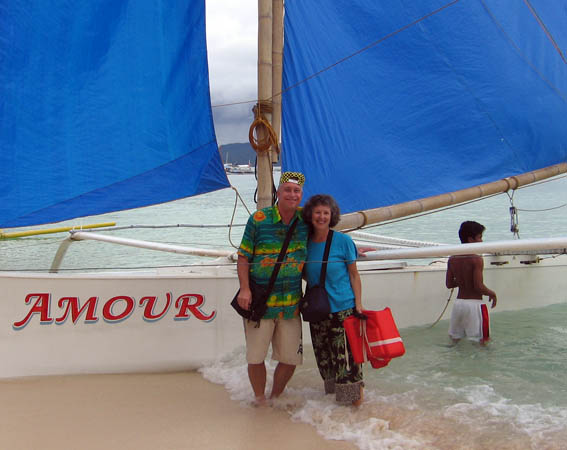
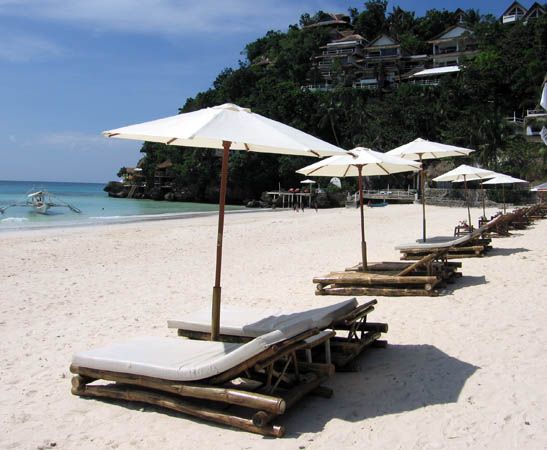
While taking a break from the sun and surf, relaxing in my hotel room in a tiny beach town on Mexico’s rugged Pacific Coast, my cell phone rang.
“Howdy, Beautiful!” my friend of four decades shouted from snow country, thousands of miles away. “Been watchin’ your website for years and I read all your stories. Love ‘em. But I thought you were retired!”
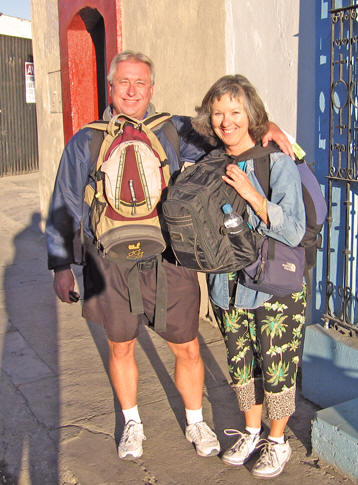
How many times over the twenty-plus years since we left the conventional work force have we heard that challenge? Our responses have ranged from surprised silence to justification of our volunteer work, to just laughing out loud.
We run a popular website, photograph our travels and share our lifestyle adventures with people like you. Some think that by doing this, we have somehow become unfit to call ourselves “retired.”
Once findependent, you’re free to choose how to spend your time
Today I would like to pose this question to you: “Once you leave the mainstream labor-for-paycheck world and become financially independent, aren’t you free to choose what you do with your time? When is something considered work, and when are you pursuing a passion?” Continue Reading…
Billly and Akaisha Kaderli, RetireEarlyLifestyle.com
By Billy and Akaisha Kaderli
Special to the Financial Independence Hub
All your ducks are in a row. You have saved and carefully invested for years, and the personal discipline is about to pay off.
So why is there apprehension in the bottom of your belly? Let’s be honest. There is risk involved, and the future no longer seems certain or familiar.
“What if I forgot about something?,” you think, and start going over every plan you have made.
No one likes to admit straight out that they are afraid of retirement. Why, that sounds silly! But changing your life from one of being focused on work duties, raising a family, paying bills, and receiving that dependable paycheck every week to one of the virtually unknown has its own set of stresses. You’re being dishonest if you say it’s not a big leap mentally, emotionally, or financially.
Sometimes you have to take a leap of faith
Lack of confidence often underlies questions disguised as logistics on how to retire. Sometimes, one must simply take the leap of faith, making a companion of the ever-present question “What if?”
If you have spent your whole life building security and providing that same security the best you could for your family, then stepping into the unknown world of retirement is like jumping off a cliff. Even if you’re as prepared as you think you are.
Sure, we can distract ourselves with dreams of endless golf, or margaritas on an exotic beach somewhere, but when it’s quiet, we find ourselves looking over our shoulders, wondering whether some forgotten component is lurking just out of sight.
“What if I run out of money?.” you whisper to yourself.
Perhaps your personal fear mongering nemesis is health care in retirement, your portfolio balance or even something as simple as boredom. There can be great comfort gained from all of one’s time being planned out months in advance.
To expect retirement to be free of hitches or snags is unreasonable. There are no guarantees in life. None of us knows what the future will bring, and this is true whether you’re working or retired.
In our experience, how to contend with the fear factor in all its guises is an important point worth addressing. Fear keeps us on the defensive, often preventing us from taking positive action or noticing opportunities and the support that surrounds us. Let it be said that if you are afraid, it is more difficult on all fronts to have a successful retirement.
“What if … ?”
The “What If” syndrome is all-pervasive. It attaches itself to every aspect of your life. However, living life through the eyes of fear only amplifies that uncertainty. If you wait for that perfect time to do something, you may discover that it never arrives. Looking back over your life, you might see all of the missed opportunities for great adventures and memory-making that you set aside in your pursuit of that ever-elusive feeling of security.
So what do you do? Fear never leaves us, but the fortifying of our confidence helps us to cope. Find ways to transfer your talents and abilities to your new life. If you must, make a list of your strongest traits. Enumerate your interests and the ways you can best satisfy them.
Check out the phone book, the local library, or your weekly event newspaper for groups to join, ongoing education classes being given, or chances to volunteer somewhere that lets you offer your expertise in something. Exercise. Stay connected to society. Try something new. Following these suggestions will bring strength to your new life, expand your mind, and build up your spirit. From here, you will gain much-needed self-assurance, making it easier to surmount any obstacles you may encounter in your retirement.


 Posted By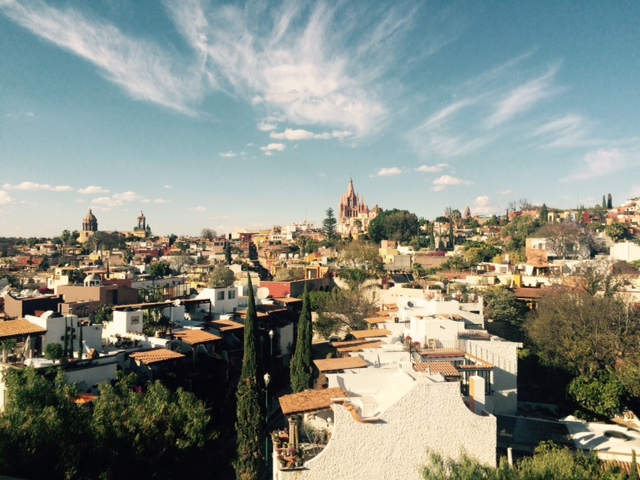
 Posted By