Posted By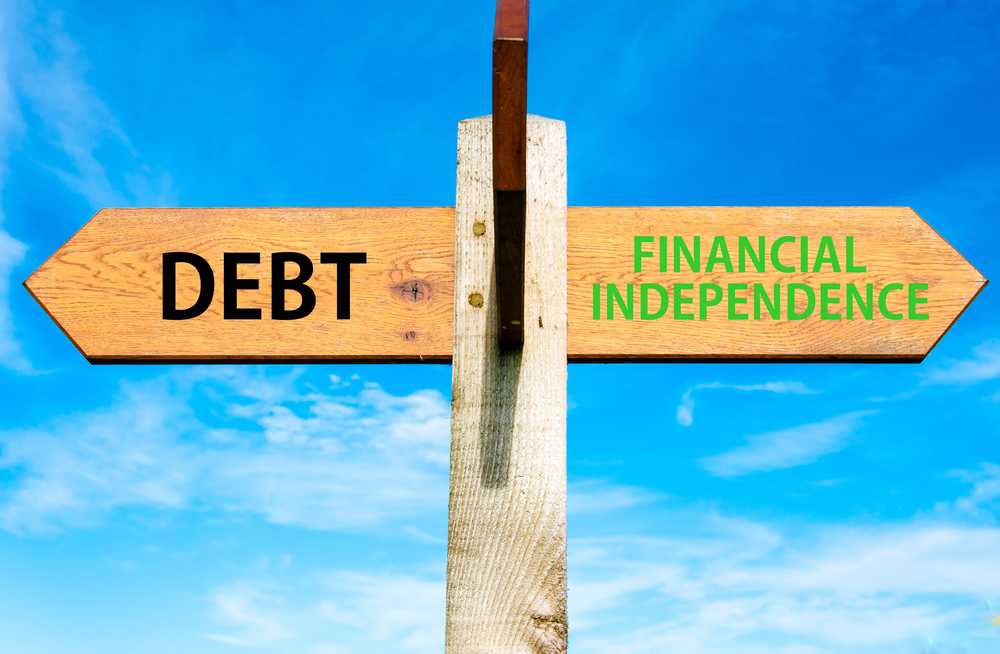
By Howie Bick
Financial Independence is a goal that many have and encompasses a variety of different elements into its equation. Depending on the type of lifestyle you live, the type of costs and expenses you have, and the amount of income you generate, Financial Independence is something that incorporates each one in a different way.
Becoming Financially Independent is a process that takes a bit of time and learning a few important principles. Understanding what you can and cannot afford, what is essential versus non-essential, and the type of security or stability that you’re comfortable with as well, are all important when it comes to Financial Independence (aka Findependence).
Continuing to work and generate Income
Working towards Financial Independence is an ongoing battle, one that requires constant effort, continuous working, and keeping a close eye on expenses. Continuing to work is an important element to the Financial Independence equation, as it allows you to continue producing income, and keeping the flow of money coming in.
One of the aspects of life is the way it continuously moves and flows from one thing to another. Along the way, there are often costs, unexpected expenses, and bills that may arise. By continuing to work and generating income, you can not only have the ability to pay your current expenses or costs, but you can also maintain the assets or resources you’ve been able to acquire as well. If the time comes when the flow of income stops, you might look towards the assets or resources that you’ve been able to acquire or build up over time. Continuing to work and generate income is an element to the Financial Independence equation that is important to consider, and important to continue producing, in order to continue managing and keeping your expenses in check, while also protecting or preserving the assets or resources you’ve been able to acquire over time.
Managing Expenses
One of the important elements to the Financial Independence equation are the types of costs or expenses you have as well. Depending on the amount of costs or expenses you have, you can then figure out how much you need to generate or income you need to produce. Considering the amount of costs or expenses you have, gives you a framework of how much income or money you need to generate in order to continue moving forward, or to continue affording the lifestyle you’re currently living.
The expenses you have is something that is very well within your control, even though controlling them might be difficult. Whether it’s reducing the amount of money you spent on food or entertainment, or cutting down the costs of the monthly subscriptions or memberships you have, the costs or expenses that you have is something that is well within your control, and important to manage when trying to become Financially Independent (or “Findependent.”)
What you can afford versus what you can’t afford
This element is important, as it will guide you or direct you on the type of spending decisions you make, the type of purchases you decide to purchase, and the type of lifestyle you decide to live. The amount of income you have often plays an important role in what you can and what you can’t afford.
Based on the amount of income you have, you can get a sense of the type of house, apartment, or living space that you can afford. You can figure out what you may think is too much, or will be pushing the envelope too far, or what you feel comfortable with and is within your means. Part of figuring out what you can and cannot afford is also how you like to live. Whether it’s with a high level of security of comfort, or you like to push it to the limit, and try to maximize or utilize all the resources you do have. Part of it comes down to what you feel comfortable with, and what you’re ok with, because Financial Independence is something that is different for everyone, with different types of lifestyles, costs, expenses, and goals alike.
Living below your means
Part of transitioning and becoming Financially Independent for the long haul, is learning how to live below your means and what you can manage for the foreseeable future. Especially in the beginning it may be tough, as you’re accustomed to or familiar with a different type of lifestyle: one that you may not be able to afford, or able to manage, but by living below your means, you can begin your journey of Financial independence.
Living below your means means earning more than you spend, and deciding to make purchases or increases in lifestyle in a slow fashion, in a way that you can accumulate or save and prepare before taking on a larger share of expenses or costs. While it might not be what you once had, or what you envisioned, living below your means allows you to have the freedom and flexibility to navigate the other costs, expenses, or spending decisions you may want to make. Whether that’s opening a business one day, investing into assets you like, or rewarding yourself with something you desire, living below your means can be the engine to getting to where you want to go, and give you the ability to manage or navigate the different life expenses or unexpected costs that may come your way.
Saving and Preparing
 Another element that can be important for your Financial Independence is saving and preparing for what may be ahead. Whether it’s a goal you have, a path you want to pursue, or something that unexpected that arises, through saving and preparing you can plan in advance, and use time to your advantage, or work your way to where you want to go, or be prepared for whatever comes your way.
It’s often very difficult to manage and navigate situations at the time they arise, without the resources you may need, or the resources you would like, which is the reason why saving and preparing can be helpful. By putting money aside or keeping a certain amount of funds or reserve on hand, you can be better prepared to manage whatever life throws at you, and to navigate any murky waters you might encounter. Continuing to put money away, whether it’s slowly, or quickly, can help you be prepared and navigate any unforeseen or unexpected life expenses that may come your way, or put you on a path to achieving or pursuing the type of lifestyle or goals you may have in mind. Continue Reading…

 Posted By