General

Your (last) greatest show on earth

By Heather Compton

Special to the Financial Independence Hub

What do you envision when it comes to your final wishes? Would there be a formal service? If so, who would officiate? Do you wish to be cremated or buried or donate your remains to science?

I get it, end of life conversations are difficult and even if you are prepared to have the discussion, dollars-to-donuts your kids or responsible family members don’t want to go there.

Regretfully I’ve been involved with funeral planning for a number of relatives, and even some clients, and these are the decisions families find most difficult. When the time comes —  and it will —  the question inevitably asked is some variation of “What do you think mom would have wanted?”

If those closest to you know your personal wishes they don’t have to make it up in the funeral director’s showroom while debating between the grand showcase coffin and the budget version you might have preferred!

Bless Mom — she was very clear — cremation by the most frugal means possible, and a nice lunch for our friends.  My Scottish depression-era mother liked the memorial society option because they negotiate funeral cost discounts.

The Memorial Society Association of Canada’s website identifies contacts across the country. A modest membership fee gets you an information package to help document decisions plus they pre-negotiate cost-conscious plans with funeral homes. You can file your wishes with the funeral home or with a memorial society but keep a copy with your other important documents.

Fire Drill Conversations

Because these are difficult conversations, I suggest you treat them like a fire drill: keep it short, discuss what’s needed, make sure everyone understands, document and call it done.  Have another fire drill if your thoughts or wishes change.

Here goes:

Style of service Continue Reading…

What to do and not to do when with your IRA

By Sia Hasan

Special to the Financial Independence Hub

If you have decided to invest in a self directed IRA (Individual Retirement Account: the American equivalent of Canada’s RRSP), you have taken the first step to enjoying a better financial future and to preparing for peace of mind in retirement. However, simply opening an IRA account is not all that it takes to benefit from this type of retirement account. If you want to maximize the benefits of your IRA fully, follow these helpful tips:

Choose the right type of Retirement Account

There are several types of IRA accounts that you can open, and two of the most common options are a traditional and Roth IRA. There are significant differences between these accounts. By learning more about these differences, you may be able to find the account type that is best for your financial planning efforts.

Both have similar contribution limits, but a Roth IRA uses money that has already been taxed as contributions. When you withdraw the money after you reach age 59 and a half, you can enjoy tax-free distributions. A traditional IRA, on the other hand, uses pre-tax dollars as contributions, and the money is taxed at a later date when you withdraw the funds. Depending on your current tax rate and your projected tax bracket in retirement, you may find one of these options to be far more useful than the other.. For example, if you expect to be in a lower tax bracket in retirement, a traditional IRA may be a better option for you because it minimizes your tax liability.

Maximize your contributions

If you want your account balance to grow at the fastest rate possible, you should make regular contributions into it each year. More than that, you should maximize your contributions annually to fully take advantage of the tax benefits associated with the account. Any additional investment funds that are available can be invested in another tax advantageous account or in a non-investment stock account.

Be aggressive in your younger years

With a self-directed IRA, you are in complete control over how your funds are invested. This means you can choose to take less risk or more risk. While taking more risk may sound unwise, the reality is that riskier investments generally have a higher return. In your younger years when you have decades before retirement, you can more comfortably take these risks with your investments. When risks are intelligent and moderated, you can grow your nest egg substantially in the younger years of your adult life. Then you can comfortably reduce your risk and return later in life without negatively impacting your financial security in retirement. Continue Reading…

5 sensible steps to improve your 2018 game plan

“Your future depends on many things, but mostly on you.”
—Frank Tyger (1929–2011), cartoonist, columnist and humourist

Designing the investment plan for the long haul requires much serious thought. Unfortunately, investors shortchange themselves on two fronts. Firstly, they spend far too much time selecting investments. Secondly, and more important, they spend too little time researching and establishing their investment policies and strategies. The ones that the plans should put into effect to reach personal goals.

In my experience, few investors actually have a sensible game plan that is being followed. Too often, this results in a collection of “flavour of the day” investment selections. Designing the appropriate investment plan is essential, particularly the asset mix targets.

“Understanding the major investment risk factors brings perspective to the plan. The ability, willingness and need to take risks are your top three.”

Happily, this situation is easy to rectify. A new year is about to make its grand entrance. Let us take a breather to contemplate a few improvements.

Stewarding the finances is truly a long journey. If you were my client, I would start with this question, “What is important about investing to your family in 2018 and beyond?

My observation is that many investors opt for preservation of capital. Others focus on portfolio growth. The rest concentrate on the retirement income stream. Lifestyle needs are also high on the pecking order.

I touch on a handful of key steps in designing your game plan:

1.) Retirement prospects

Determine the family’s desired retirement income goal in today’s dollars. Calculate the size of portfolio to reach and sustain the goal. This provides portfolio direction and purpose. Estimate the personal rate of return required to achieve the retirement nest egg ballpark. Then treat that rate of return as the “investment benchmark” for the game plan.

Once the personal rate of return is identified, there is likely no need to incur higher investment risk than necessary. This is especially important to retired investors. Consider all the investment accounts owned as part of the big picture, not in isolation. Revisiting your “asset location” best practices helps fine tune the game plan.

2.) Investor profile

Analyze which type of investor profile suits and feels best. The most familiar ones are labeled as preservation, income, balanced, growth and aggressive. In my experience, investor profiles change infrequently.

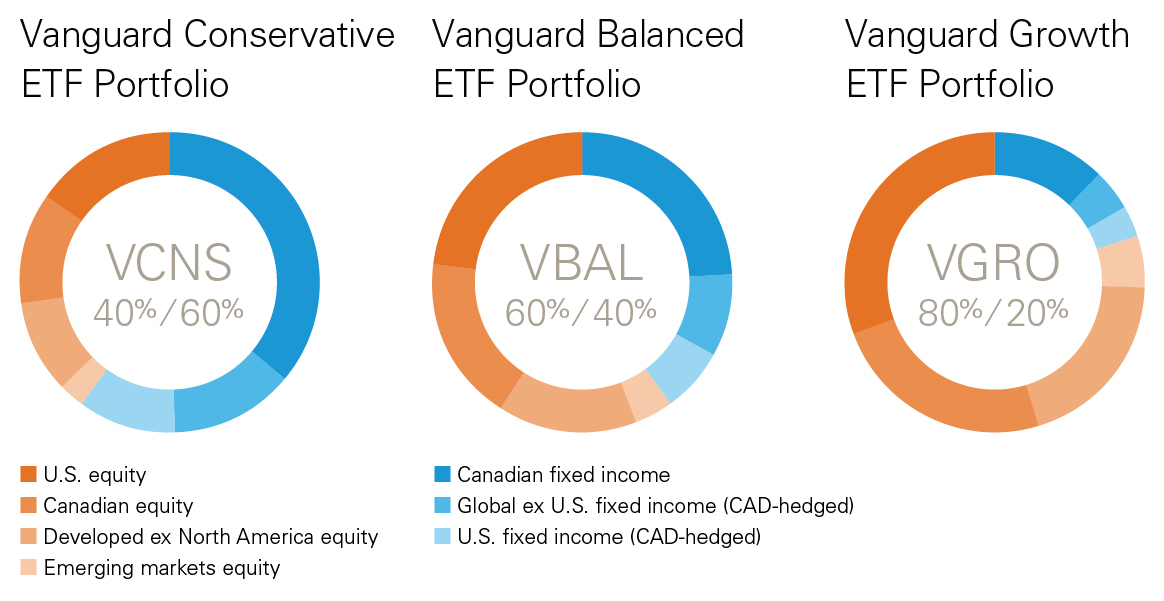
The majority of investors are comfortable within 40% to 60% allocated to stocks and the remainder to cash and bond selections. For example, a balanced profile typically allocates about 50% to stocks, 40% to bonds and 10% to cash instruments.

3.) Asset mix 

Asset mix decisions have the greatest impact on portfolio outcomes than any other factor. Studies show that these decisions explain a substantial amount of variations in total portfolio returns. Continue Reading…

Advanced RRSP Strategies (Beyond the Basics)

RRSPs are a valuable tool for many taxpayers, which is why they are the backbone of many retirement plans. Getting the most out of your RRSP often involves thinking several years ahead, rather than just when the contribution deadline is looming.

Here are five RRSP strategies to get you thinking beyond the basics:

Claiming RRSP deductions

Most of us claim our RRSP deductions in the tax year we make the contribution, but you don’t have to. In fact, you can choose to deduct only a portion or none at all and carry it forward.

If you expect to move into a higher tax bracket next year from say, a big promotion, or the sale of rental property, you should still make your contribution to take advantage of tax-free compounding. But, it may be worth waiting to claim the deduction the next year (or later) when your marginal rate will be higher and you will get a substantially bigger tax refund.

Level out income

Continue Reading…

How to build a sound and profitable Retirement portfolio

By Patrick McKeough, TSINetwork.ca

Special to the Financial Independence Hub

To decide if an investment belongs in your portfolio for retirement, you need to take a close look at its attributes or features. But, just as important, you need a close look at how well the investment suits your needs. A superficial look can steer you in the wrong direction.

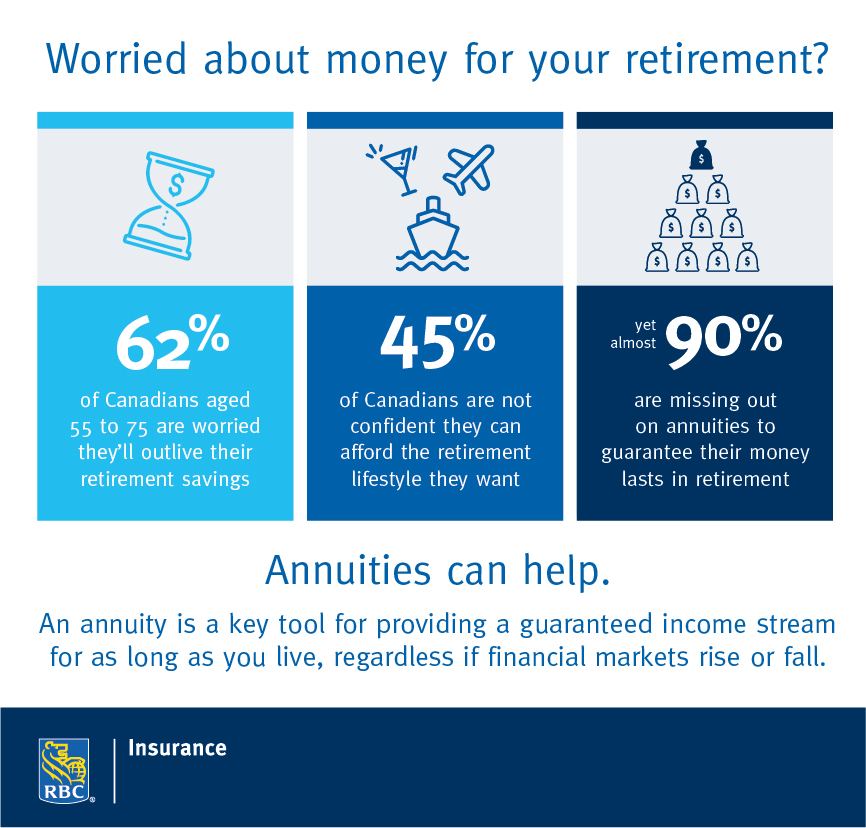
From time to time, for instance, investors say “Now that I’m retired, I can’t invest in stocks any more. I can’t risk a 30% to 40% drop in the value of my portfolio.” But these same investors may buy annuities without considering the fact that annuity rates are related to bond yields. Both are at historically low levels. A revival of inflation could do extraordinary damage to the purchasing power you get from the fixed returns on bonds or annuities.

Retirement planning and four key factors to consider when investing for retirement

Retirement planning is the process of setting retirement goals, estimating the income needed to meet those goals and assessing your potential sources of retirement income. These days, more investors suffer from what you might call “pre-retirement financial stress syndrome.” That’s the malady that strikes when it dawns on you that you don’t have enough money saved to be able to earn the retirement income stream you were banking on. The best way to overcome this is with sound investing.

Additionally, here are four key factors to consider for retirement saving:

  • How much you expect to save prior to retirement;
  • The return you expect on your savings;
  • How much of that return you’ll have left after taxes;
  • How much retirement income you’ll need once you’ve left the workforce.

Should you consider investment products in your portfolio for retirement?

The financial industry has created income-producing investment products to cater to investors who are wary of stock-market uncertainty. These products can provide steady income that’s higher than bond interest, or dividend yields from stocks. However, these products are almost always subject to hidden fees and risks that continually drain your capital, or leave it vulnerable to unexpected losses.

Successful investors understand that occasional market plunges are normal and unavoidable. A drop of 30% to 40% in stock prices is rare. But after the plunge ends, stocks bounce back and eventually recover. Meanwhile, if you follow our Successful Investor approach, you’ll still have dividend income. What’s more, you don’t need to (and probably won’t) sell at the low in prices.

You can maintain reserves for your cash flow needs by selling some stocks every year, during times of high and low prices.

Continue Reading…