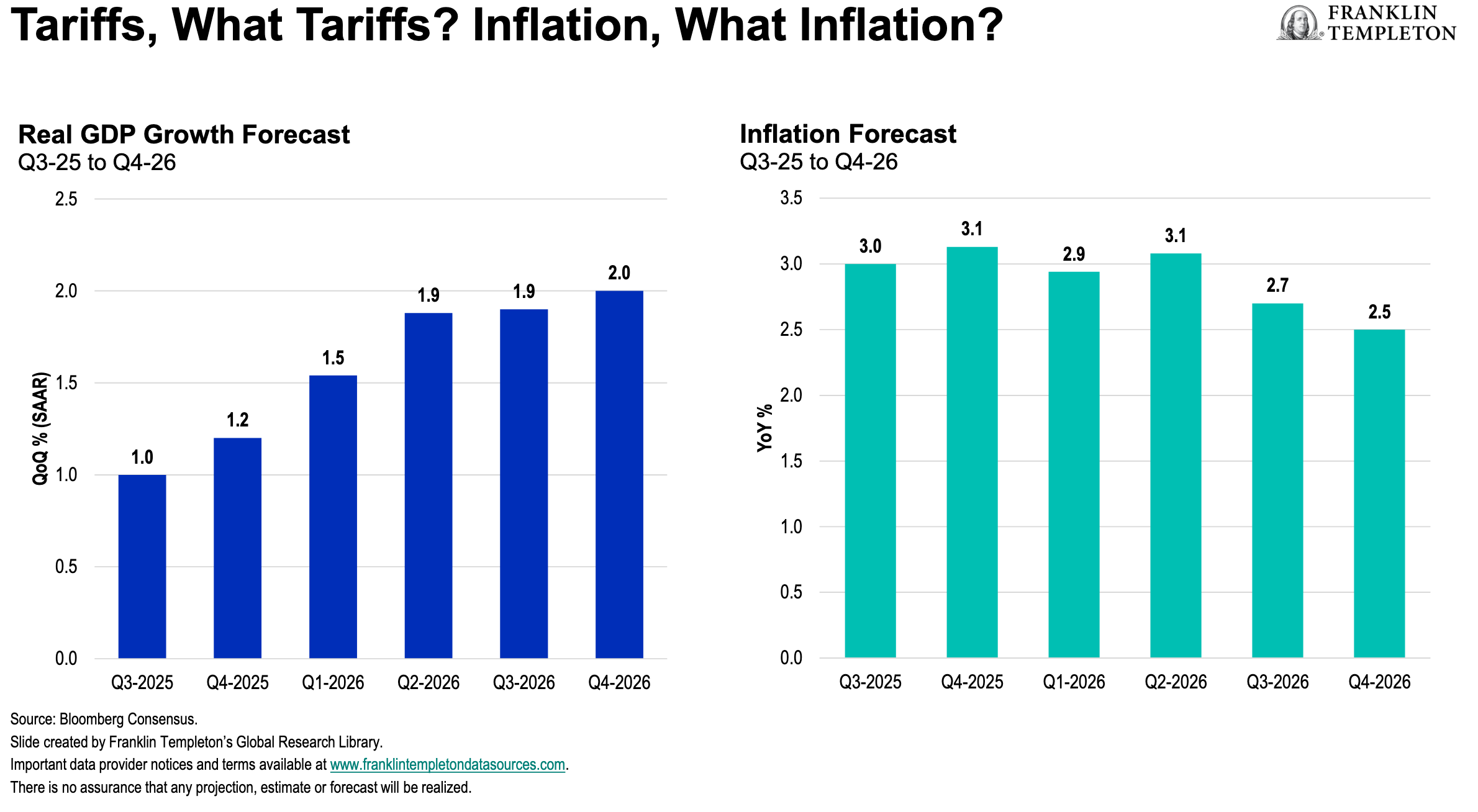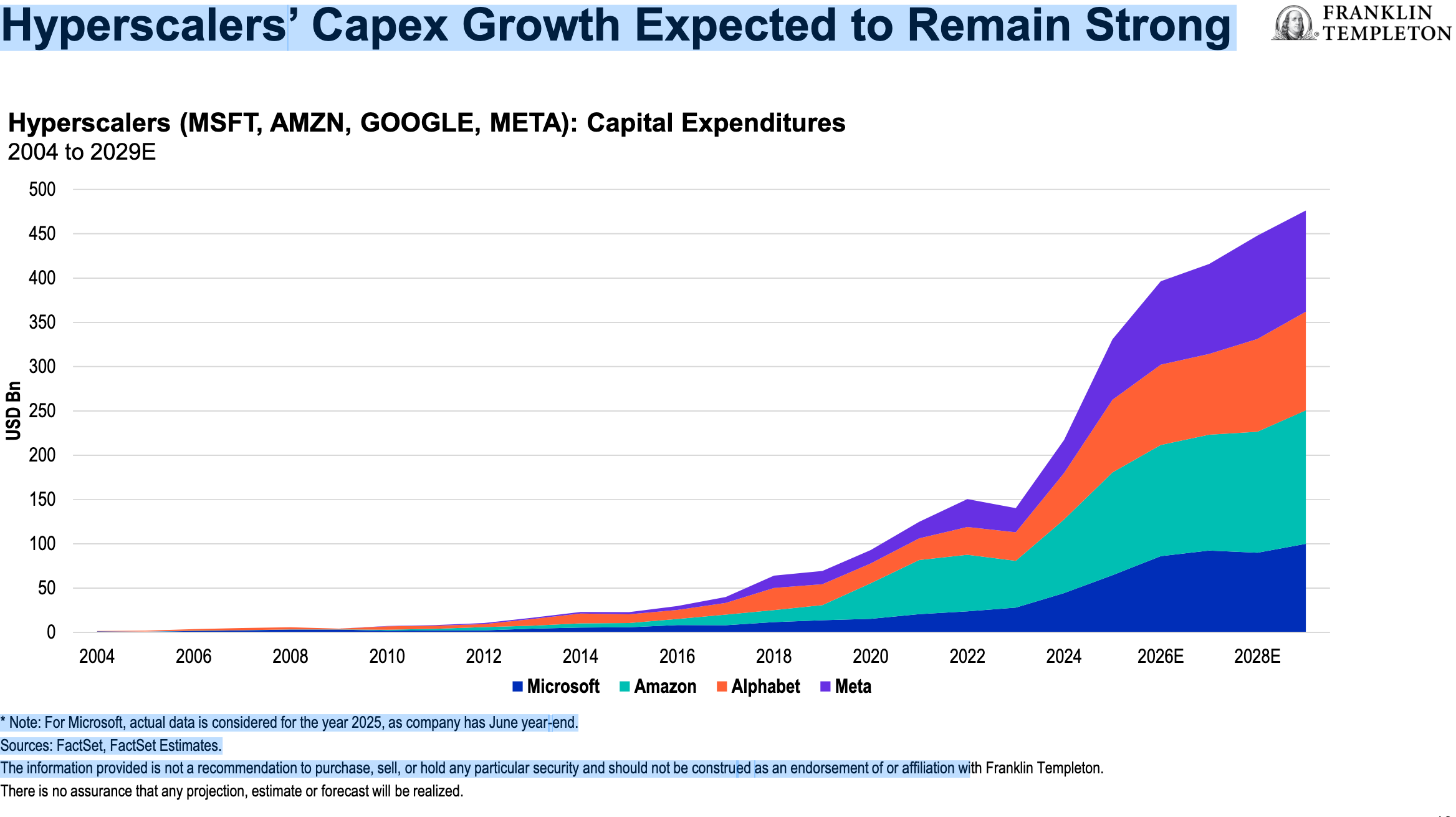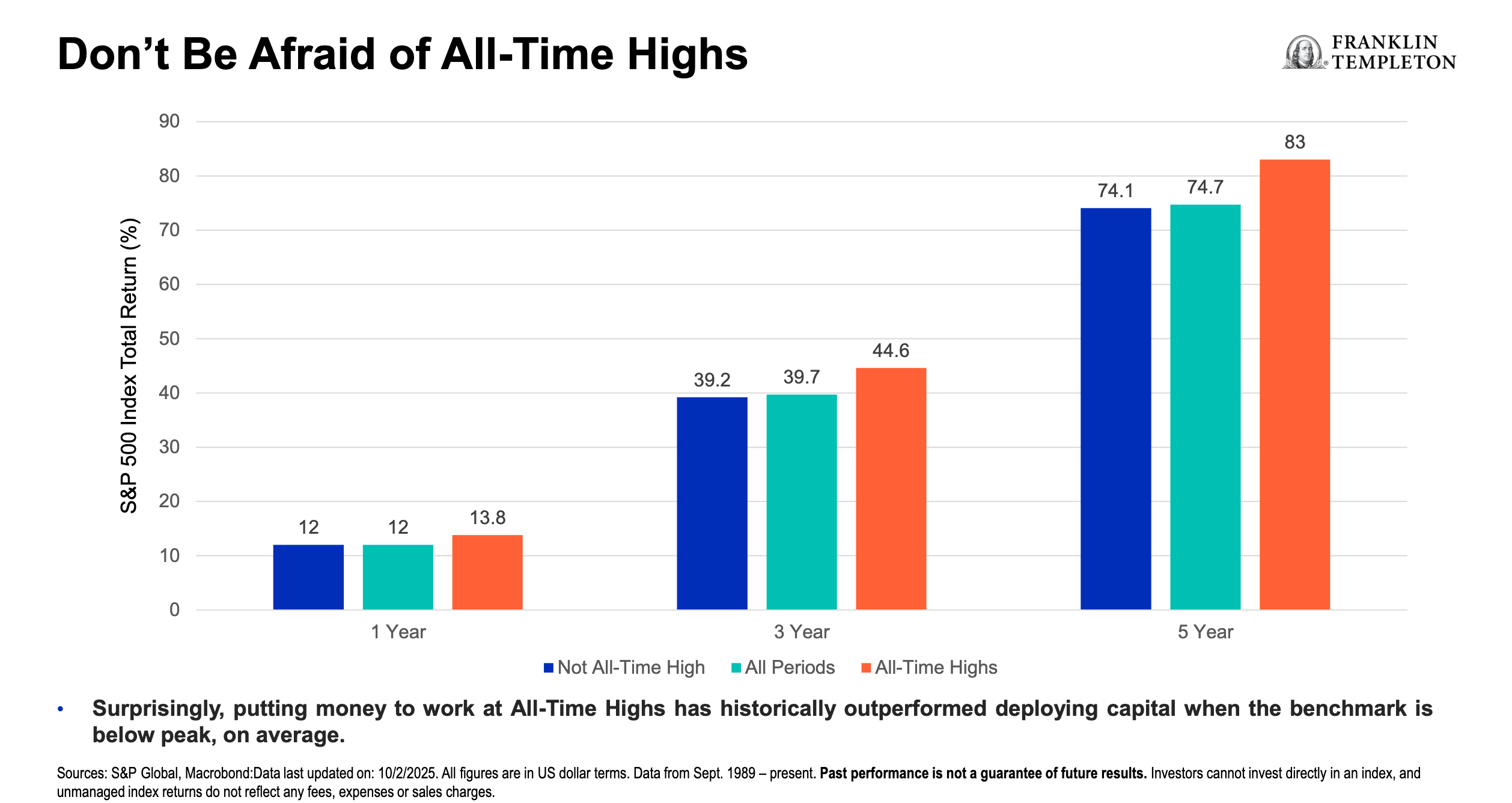
Inflation

Inflation

Why Canadians Love Real Estate as an Investment Vehicle (Even When the Numbers Do Not Add Up)

The Hard Truth about Canada’s most Popular Investment Myth: Why your “Sure Thing” Real Estate Strategy could be Costing you Hundreds of Thousands

Lowrie Financial: Canva Custom Creation

By Steve Lowrie, CFA

Special to Financial Independence Hub 

It is hard to go to a Canadian dinner party without someone talking about real estate. Someone’s cottage has doubled in value. A friend just bought a second downtown investment condo. A neighbour is considering a rental property “for the kids.”

We hear it every day from clients. The idea of investing in real estate feels safe, powerful, and smart.

There is a cultural pull here that is almost irresistible:

  • Tangibility: You can touch it, walk through it, and renovate it.
  • Familiarity: Almost everyone you know owns a home.
  • Status: Whether it is a condo downtown, a cottage up north, or a rental property, real estate is a visible symbol of success.

That emotional resonance is powerful and real. But subtlety matters. Let us explore why the emotional weight is so strong, when it outpaces the facts, and why personal homes and even second properties should often be treated as lifestyle decisions rather than wise investment decisions.

Why Real Estate Investment feels Safe and Smart to Canadian Investors

Real estate triggers deeply comforting emotions.

You can see it, unlike stocks that live only on a statement. You can improve it, rent it, or decorate it, which gives you a sense of control. In markets such as Toronto and Vancouver, decades of rising prices reinforce the belief that it is a sure bet.

And of course, there are the stories. Everyone seems to know someone who made a fortune in property. Stories resonate far more than data.

It is like the comfort of holding cash. Cash feels safer than stocks, even though the evidence tells a different story.

Real Estate vs Stock Market Returns: The Data Reveals a Different Story

Here is where the evidence helps keep perspective in check. If you are considering purchasing direct real estate as an investment, the data suggests alternative approaches may deliver better long-term outcomes.

Canadian Stock Market vs Canadian Real Estate Performance

From 1990 to 2023, average Canadian home prices grew about 6.3 percent annually. Once we adjust for maintenance, property taxes, insurance, and transaction costs, which we can reasonably estimate at 2 percent of market value each year, the actual net return drops to about 4.5 percent annually. Meanwhile, the S&P/TSX Composite Index returned roughly 8 percent per year, compounded annually over the same period. Even within Canada, equities have historically outperformed housing as an investment.

Global Diversified Portfolio vs Canadian Real Estate Returns

A globally diversified equity portfolio, such as the MSCI World Index, has historically delivered around 8 percent annually (consistent with Canadian market returns) over long time horizons.  This not only outpaces Canadian housing returns but also provides diversification across thousands of companies in dozens of countries. Canadian housing, by contrast, is concentrated in one country and one asset.

Sneaky Hidden Costs and Investment Risks of Direct Real Estate Ownership

Even beyond the headline numbers, direct real estate ownership brings additional challenges:

  • Concentration risk: One property, in one city, on one street, is hardly diversified.
  • Illiquidity: Selling in a downturn can be difficult and slow.
  • Carrying costs: Maintenance, property taxes, insurance, and fees all erode returns.
  • Leverage risk: Mortgages magnify both gains and losses.

The Cap Rate Crisis: Why Canadian Investment Properties are Failing

Another critical but often overlooked factor in real estate investing is the capitalization rate, or cap rate.  This measures the cash flow you receive from a property after expenses, expressed as a percentage of its value.

Historically, investors earned returns from two sources: cash flow (rental income) and appreciation (price gains). But as property prices have risen much faster than rents over the past few years, cap rates have fallen dramatically. Many condos and residential investment properties now have cap rates that are very low, even close to zero. In some cases, especially when using leverage on a direct residential investment property, you get the pleasure of having negative monthly cash flow. Who wants an investment that requires you to put in more of your own money each month to keep it afloat?

That means the only way to make money is if the underlying property continues to appreciate. For a long time, that worked. But as Canadians have seen in recent years, property values can and do fall. Relying solely on appreciation is not a proper investment strategy. It is a gamble.

Real Estate as Lifestyle Choice vs Investment Strategy

There is an important distinction to be made here. Owning your personal home, or even a second property, is rarely a pure investment decision. It is primarily a lifestyle choice.

Your Primary Residence: A Home, Not an Investment Vehicle

Your home provides stability, belonging, and a sense of place. You live in it, you personalize it, and you may even raise a family in it. Its financial appreciation is a by-product, not the primary purpose.

Second Properties and Vacation Homes: When Lifestyle Meets Investment Confusion

Cottages, ski condos, or vacation homes can bring joy, relaxation, and family memories. When acquired with lifestyle purposes in mind, they can be meaningful. But if purchased purely for financial returns, they blur the line between lifestyle and investment and often fall short on performance expectations.

Investment Property Evaluation Framework: The Big Bet Test

Here is a simple framework to evaluate real estate as an investment:

  1. Diversification: Does this spread risk or concentrate it?
  2. Liquidity: Can you access your money if needed?
  3. Scalability: Can you expand without disproportionate risk?
  4. Taxation: Are the benefits what you expect?

A single rental property often fails on diversification, liquidity, and scalability. It is like putting half your portfolio into one stock, in one city, on one street.

REITs: The Smart Alternative to Direct Real Estate Investment

If you want exposure to real estate without its emotional and structural pitfalls, publicly traded Real Estate Investment Trusts (REITs) are an excellent alternative. Continue Reading…

Should investors be more concerned about the ongoing US Shutdown?

Deposit Photos

By John De Goey, CFP, CIM

Special to Financial Independence Hub 

[Editor’s Note: this piece was written shortly before Friday’s meltdown of U.S. stocks following Trump’s announcement of still-higher Tariffs on China.]

One evening at midnight, as September turned to October, various elements of the U.S. government were shut down. This has happened before, most recently in 2018 under the same President, but this time, everything feels more ominous.

In fairness, markets were indifferent to the news and have even reached new highs since the announcement. My view is that this turn of events is yet another canary in the coal mine where authoritarianism is lurking just around the corner. The question for many investors is: “What does this mean for my portfolio”? So far, the answer is, “nothing at all.”

Worrisome that investors don’t seem worried

It has been said that financial markets climb a wall of worry. I have said on multiple occasions that one of my biggest worries is that people don’t seem worried: that optimism bias has led to lazy complacency. Stated differently, my perception is that there’s a degree of casual acceptance of macro-level circumstances that has taken hold among investors throughout the western world.

My concern about valuations has been reiterated on multiple occasions for many quarters, if not years. What I have not said explicitly until now is that there is a considerable political risk that is proceeding apace: concurrent with the valuation risk.

To my mind, this is a double uncertainty. The first question is when the bubble of multiple asset classes hitting all-time highs will burst. The second question is when Donald Trump will drop the mask and all pretense of adherence to democratic principles. He was elected a year ago next month.  In the nine and a half months since he has taken office, the destruction of centuries-old political norms has proceeded at a breakneck pace. Continue Reading…

Safe Retirement Withdrawal Rate Strategies in Canada

By Kyle Prevost 

Special to Financial Independence Hub


The concept of a safe withdrawal rate (and the 4% rule) is a key planning tool for Canadians of all ages.  After all, if you don’t have a general withdrawal plan, how can you know how much you need to save in the first place?

If you have been reading MDJ for years, you already have an idea of how to use a Canadian online broker account to DIY-invest your way to a solid nest egg.

Now you’re planning for retirement (whether it’s 20+ years away or next year) and you’re wondering how to take money out of that nest egg.  Perhaps hoping that there is a rule for how much you can take out each year in retirement, and never go broke.  That concept is generally referred to as a safe withdrawal rate, and we’ll go into detail on how this works in just a second.

We’ll even look at how to incorporate multiple accounts, such as your TFSA, RRSP, and a non-registered account into your safe withdrawal rate – as well tax rules surrounding the withdrawal of investments from those accounts.

And finally, we’ll seek to answer the question you probably really want answered: How do I turn my nest egg into a usable stream of money that I can depend on and spend as I look forward to retirement? 

Surprisingly, when it comes to discussing Canadian safe retirement withdrawal rates, and talking to folks who have retired at all ages, spending their retirement savings represents a massive mental strain for them.  I guess (as someone who has never retired or sold investments to pay for retirement) that I always thought that saving for retirement would be the hard part.

Isn’t spending supposed to be more fun than squirreling away?

It turns out that once you get into that savings mindset, it can be hard to flip the switch back to enjoying spending the fruits of your labour.  This is especially true for folks who are looking at retirement withdrawal strategies for an early retirement because they are much more likely to have been super-aggressive savers during their time in the workforce.

I didn’t go into the topic of safe withdrawal rates for retirement expecting the topic to be so deep and full of variables! After all, the concept seems simple enough, right?

How much can I take out of my investment portfolio each year, if I need that nest egg to last for 30, 35, 40, or even 50 years?

Is your Retirement Savings on Track?

Each year BMO does a retirement survey that asks Canadians a wide range of questions.

Are You Saving Enough for Retirement?

A graph showing the increase in how much Canadians need to retire

Canadians Believe They Need a $1.7 Million Nest Egg to Retire

Is your Retirement on Track?

Become your own financial planner with the first ever online retirement course created exclusively for Canadians.

The problem is that most Canadians don’t really understand how their income and expenses will interact in retirement.  Are you saving enough? Find out for sure with the first online course for Canadian retirees (click here for more details).

The 4% Retirement Withdrawal Rule

Ok, so let’s maybe start with the rule of thumb that advisors have used when looking at retirement drawdown plans for a while now.

Back in 1994 a financial advisor named William Bengen looked at the last 80 or so years of markets and retirement, did a bunch of math, and arrived at a concept we now call “The 4% rule.”

The basic idea of the 4% retirement withdrawal plan is that someone could safely withdraw 4% of their investment/savings portfolio each year and – assuming a 60/40 or 50/50 split of bonds/stocks in their portfolio – they would never run out of money.

This idea of withdrawing a certain percentage of your portfolio to fund your retirement is called the Safe Withdrawal Rate (SWR). The math behind this magic 4% figure means that if you have the nice round $1 Million investment portfolio that we all dream of, you could safely pull out $40,000 the first year, and then adjust for inflation and withdraw 4% plus inflation after that. (So if there was 2% inflation between year one and year two, you could now withdraw $40,800.)

Bengen, and another highly influential study took their rule and retroactively applied it to retirees from every single year from 1926 to 1994. They found that nearly 100% of the time (depending on what was in the investment portfolio) people could retire, and withdraw 4% of their portfolio for 30 years of retirement: and not run out of money.

In fact, over half of the time, if retirees followed the 4% rule, they not only didn’t run out of money, they finished life with more money than when they started retirement!

Keep in mind, these authors didn’t worry about OAS or CPP, or a workplace pension, or even the tax implications of different types of withdrawals. They were simply trying to come up with a useful rule of thumb for how much a person could safely withdraw from their retirement portfolio.

What the 4% Rule Means for your Magic Retirement Portfolio Number

If you can safely withdraw 4% of your portfolio to fund your retirement, then the simple math tells us that if you can accumulate 25x your annual retirement budget, you no longer have to work.

Here’s the breakdown:

  • Jane looks at her budget and realizes that once she retires she will have a lot less spending demands.  She carefully weighs the numbers and believes she’ll need $40,000 per year to quit her 9-to-5.
  • Consequently, Jane needs the magical “4% of her portfolio” to equal $40,000 per year.
  • For a 4% withdrawal to equal $40,000, Jane will need a $1,000,000 portfolio.
  • If Jane reassesses and realizes she needs $60,000 per year in retirement, Jane would need 25 times $60,000 (because 4% goes into 100% twenty-five times) which is $1.5 Million.
  • Jane might not need anywhere close to $1.5M if she intends to do a little part-time work in retirement, and is willing to use some math + research strategies to help herself out a bit when it comes to managing her nest egg!  But more on that later…

4% Safe Withdrawal Rate for Retirement: Potential Problems

Up until the 4% rule became a thing, when financial advisors were asked about safe withdrawal rates, the only thing they could really say is, “it depends.” Continue Reading…

Q&A with John De Goey

John De Goey, courtesy MoneyShow

The following is a question-and-answer session conducted via email with advisor John De Goey following his recent talk at the MoneyShow in Toronto, which we reported here.  Some of the questions and answers also appeared in my recent MoneySense Retired Money column here.

Jon Chevreau, Findependence Hub:  How defensive do you think low-volatility ETFs (i.e., BMO’s, iShares, Harvest) are?

John De Goey: Let’s say the market pulls back by 25%. If you can handle that, then you don’t need a low-volatility ETF. In short, low-volatility products are more defensive than market  (cap)-weighted products, but it all depends on how investors react and behave when things go south.

Chevreau Q2.) Most of those are overweight utilities, consumer staples and healthcare stocks. Do you advocate that investors do this themselves with sector ETFs?

De Goey – I generally don’t recommend buying utilities as a stand-alone product/strategy. That said, if you already own cap-weighted products and want to be more conservative, it would likely be more tax effective to simply add utilities rather than sell cap-weighted products in order to buy low-vol products. Same net result, but less tax on the way.

Jon Chevreau, courtesy MoneySense

Chevreau Q3.)  If U.S. stocks are so richly priced, do you advocate owning a Value U.S. ETF to compensate, or simply sell down some U.S. or and add more International/Canada? Or other factor funds?

De Goey – I recommend getting out of the U.S. entirely. If you cannot do that then, at the very least, I’m worried that there’s an AI bubble much like what we saw with .com a quarter-century ago.

Chevreau Q4.) What range of asset allocation do you recommend for retirees, especially those who are middle-of-the-road and risk-averse?

De Goey: I think all portfolios should have alternatives. Pension plans like CPP, OMERS and HOOP all have over 33% in alternatives. But for MOR retail investors, I’d opt for something like 20% alternatives, 30% income, and 50% equity.

Chevreau Q5.)  Can investors and especially retirees rely on global Asset Allocation ETFs to keep them out of too many over-valued U.S. stocks?

De Goey: I wouldn’t use the word ‘rely.’ Such products will soften the blow, but right now the U.S. represents almost 2/3 of global stock market capitalization. So, if all your stocks were in a single global ETF or mutual fund with a cap-weighted mandate, you’d have massive exposure to a massively over-valued market.

Chevreau Q6.)  What about annuitizing a portion of an RRSP/RRIF? Continue Reading…

Retired Money: Are pricey U.S. stock valuations a threat to new Retirees? Plus David Chilton on retiree market timing

My latest MoneySense Retired Money column looks at the currently near record high valuations of U.S. stocks and the risks that may pose to those in the Retirement Risk Zone. Full column can be accessed by clicking on the highlighted headline: Why retirement planners are getting defensive

Retirement Club co-founder Dale Roberts recently posted a typical anxious link to a Globe & Mail column by Dr. Norman Rothery, (CFA) which suggested the current environment of Trump-inspired Tariffs and global Trade Wars, are causing plenty of anxiety for this group.

In the piece posted under Managing Risk in Retirement – and headlined With today’s market, investors close to retirement face precarious times – Rothery said investors on the cusp of retirement are “facing peril from a combination of the unusually lofty U.S. stock market and political uncertainty that’s disrupting world trade.”

U.S. stocks trading at “worrying levels”

The U.S. stock market is “trading at worrying levels,” based on several Value factors, Rothery said: the S&P 500 Index is “trading at a cyclically adjusted price-to-earnings ratio (developed by Robert Shiller) near 39, which is above its peak of 33 in 1929 and it is approaching its top of 44 in late 1999, based on monthly data. Similarly the index’s price-to-sales ratio is approaching its 1999 high. A broader composite measure that includes many different market factors indicates that the U.S. market’s valuation is at record levels. “

Rothery, who also publishes StingyInvestor.com, concluded that it’s “likely that the U.S. stock market will generate unusually poor average real returns over the next decade or so.” Unfortunately, the U.S. stock market now represents about 65% of the world’s market by market capitalization based on its weight in the MSCI All-Country World Index at the end of August. So if the U.S. market flops, “It’ll likely take the rest of the world with it – at least temporarily,” Rothery cautioned.

This could impact recent retirees just beginning to draw down portfolios, due to “sequence of returns risk.” That means that those in the so-called Retirement Risk Zone  who suffer early losses could down the road be in danger of outliving their savings. Rothery also reference the famous 4% Rule of financial planner and author William Bengen: the theory that investors in a 55/40/5 portfolio should be able to sustain retirement savings for 30 years provided the annual “SafeMax” withdrawal not exceed 4% a year (actually 4.7%) after adjusting for inflation. Bengen just released a new book titled A Richer Retirement: Supercharging the 4% Rule to Spend More and Enjoy More, which the Retired Money column plans to  review next month.

What recent Retirees can do to lower their risk

Retirement Club members anxiously posed questions on the related chat room about whether they should be moving to cash and bonds, gold or other alternatives to U.S. stocks. To this, Dale Roberts – who also runs his own Cutthecrapinvesting blog – warned against getting too defensive but agreed a move to a 70% fixed income/30% stocks allocation might work for some nervous early retirees. Personally, he has trimmed back on his US growth stock exposure and added to defensive ETF sectors like consumer staples, healthcare and utilities. He also mentioned a US equity ETF trading in Canadian dollars: XDU.T

Advisors and their clients suffer from Optimist bias

Advisor John De Goey came to a similar cautious stance in a recent (Sept 12) speech at the MoneyShow in Toronto, archived here on YouTube. Titled Bullshift and Misguided beliefs (see this recent Hub blog) De Goey expanded on his usual themes of advisor bullishness and complacent investors, also articulated in his book Bullshift. Continue Reading…