Longevity & Aging

No doubt about it: at some point we’re neither semi-retired, findependent or fully retired. We’re out there in a retirement community or retirement home, and maybe for a few years near the end of this incarnation, some time to reflect on it all in a nursing home. Our Longevity & Aging category features our own unique blog posts, as well as blog feeds from Mark Venning’s ChangeRangers.com and other experts.

Working till 66 is no tragedy

Senior man working on a computerBy Jonathan Chevreau

Earlier this week there was extensive mass media coverage of the latest Sun Life “Unretirement” survey, which found more Canadians now expect to work full-time at age 66 than the number who are retired.

Given that the traditional retirement age has been 65, and remains the age many older investors think of collecting Old Age Security and the Canada Pension Plan, the general tone of this coverage was that the idea of working to such an “advanced” age is in itself scandalous.

Regular readers of the Hub will know what I’m about to say, and did say Wednesday night on a CTV item on the survey, which you can find here at Findependence.TV’s Video Hub. With rising trends to longevity, more and more people are choosing to work longer or feel financially compelled to do so. Indeed, governments around the world generally would love to see us all work longer and pay taxes longer, which is why the age of OAS onset is being bumped up to 67 for younger Canadians.

Plan for Longevity, not Retirement

I still love the positioning of Mark Venning at ChangeRangers.com, who says we should be planning not for Retirement, but for Longevity. Continue Reading…

Long term care options for seniors: How much will you pay?

SherylSmolkin
Sheryl Smolkin (SherylSmolkin.com)

By Sheryl Smolkin,

Special to the Financial Independence Hub

Whether you are considering a move to an assisted living facility for yourself or an elderly member of the family, the options available and how much they cost may come as a surprise to you.

The rules vary considerably across Canada, but a series of informative bulletin from Sun Life Financial covering each province and territory describe the three main alternatives, how much they cost and the level of government subsidy, if any. In this blog I refer to the situation in Ontario, because that’s where I live. Generally care for seniors can take place in one of three settings:

  • At home
  • Retirement homes
  • Nursing homes

Home care

Continue Reading…

Are you ready for The Big Shift?

bigshiftBy Jonathan Chevreau

If you’re intrigued by the kind of content we publish on the Hub, you should be fascinated by The Big Shift, a book published originally in 2011 by Marc Freedman.

The subtitle tells it all: Navigating the New Stage Beyond Midlife. Freedman is a “social entrepreneur” who founded a firm called Civic Ventures (now Encore.org), and previously published (in 2007) a book called Encore: Finding Work That Matters in the Second Half of Life. We’ll review that in the next few weeks.

Both books have crystallized my thinking of what this site is all about, so much so that we have renamed the fifth of our six major blog categories Encore Acts, (from the previous IBusiness Ownership). As we noted in Saturday’s new weekly wrap, an Encore Act may or may not include entrepreneurship but there are many Encore Acts that may not involve launching a new business.

The Longevity Bonus: centenarians galore?  Continue Reading…

Will “Unretirement” launch your Encore Act?

BN-ER243_bkrvun_GV_20140923135029By Jonathan Chevreau

Unretirement is a concept not unlike Findependence or Financial Independence; it’s also the title of a recently published book by Chris Farrell, Bloomberg Businessweek columnist and senior economics contributor for American Public Media’s syndicated radio show, Marketplace.

I’ve also seen the term Unretirement used by Sun Life Financial in Canada but that seems to be more a marketing term the company uses to promote its surveys on traditional retirement. That survey has been going for six years now, which certainly predates the publication of Farrell’s Unretirement Continue Reading…

Retirement planning would be so much easier if we knew when we’re going to die

By Jonathan Chevreau

My latest MoneySense blog is on the pros and cons of Extreme Early Retirement, or its opposite, which one reader dubbed “Extreme Working.”  It was in response to my recent column in the magazine about extended longevity, a theme we regularly explore here at the Financial Independence Hub’s “Longevity & Aging” section.

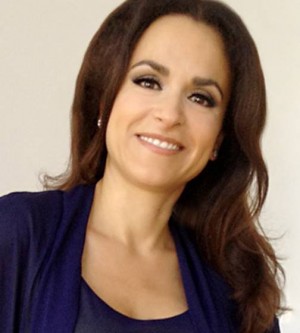
David Headshot small2
David Davidson

As mentioned in the MoneySense version of the blog, one of the readers highlighted — Oakville-based David Davidson — also sent along a photograph of himself, which we’re running here (on the left).

What this all comes down to, and as I commented on Twitter after the original MoneySense blog was posted, is that “Retirement planning would be so much easier if we just knew the exact date of our death!”

Of course, few of us know that so there’s always going to be a tradeoff between planning for a long life that never materializes; and under-saving and living in the present, only to find yourself running out of money before you run out of life.  Personally, I’d rather err on the side of the first possibility but as you can see below, some readers (including David shown above), make the case for the second possibility, or a balance between either extreme. Some on Twitter are in the same camp, including Ryan (@simplemoolah):

“LOL.  Since we don’t — Don’t blow it all today. Live in the present & enjoy every moment but also plan for your future.”

Continue Reading…