Building Wealth

For the first 30 or so years of working, saving and investing, you’ll be first in the mode of getting out of the hole (paying down debt), and then building your net worth (that’s wealth accumulation.). But don’t forget, wealth accumulation isn’t the ultimate goal. Decumulation is! (a separate category here at the Hub).

Sell everything? Consider these costs and drawbacks first

Depositphotos_14227153_s-2015My latest Financial Post blog addresses the controversial call earlier this week from the Royal Bank of Scotland to “sell everything.” Click on this headline for the blog: If you try to time the market to sell everything you have to time it to get back in.

In a nutshell there are both commissions and taxes to consider. It all depends on whether you’re in discount brokers, full-service brokerages or use Managed Money, and the split between Registered and Non-Registered Funds. It’s going to cost much more to liquidate individual stocks in a taxable portfolio than a single “Go anywhere” global ETF held in registered accounts. And depending on the kind of mutual funds you own, the costs could be negligible or significant.

Guess what Buffett isn’t doing right now

See also an excellent piece by investment writer Dan Solin that ran in today’s Huffington Post: What Warren Buffett isn’t doing. For starters, he’s not listening to media pundits. As Solin points out, the financial media loves market crashes because it creates fear and anxiety, hence more TV ratings or web traffic. And the more people panic by “selling everything,” the more commissions generated for the financial industry, as we demonstrated above.

If anything, people should be considering buying if markets sag much further, the very opposite of selling everything. But that’s a topic for another day. Generally, though refer to the series of videos we’ve been running the last few months, including the one earlier today titled Winning the Loser’s Game, part 5.

Video: How to Win the Loser’s Game, Part 5

UntitledThe fifth video instalment in SensibleInvesting.TV’s How to Win the Loser’s Game has been posted here and at Findependence.TV.

Often we hear say someone ask us the question, “Do you play the market?” The answer should be a resounding no, as the market is not a game. In fact, it’s quite scientific. A trio of Nobel Prize winning economists each have created a model that better helps us to understand the science behind the market.

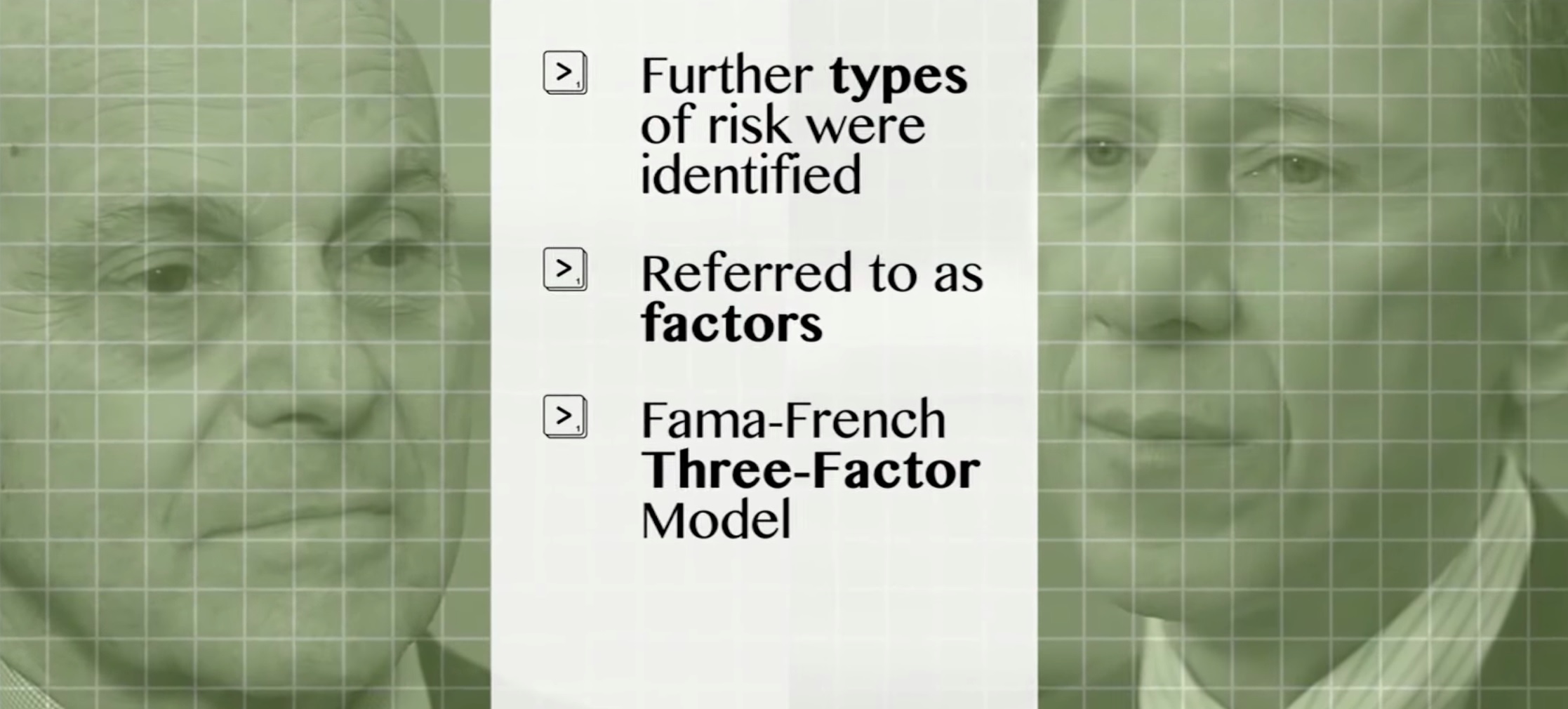
This 8-and-a-half minute video features interviews with various executives from DFA and Vanguard and reviews the groundbreaking academic research on modern portfolio theory spearheaded by Harry Markowitz, William F. Sharpe and Eugene Fama. The screen shot above shows Eugene Fama on the left and DFA board member Ken French on the right. Continue Reading…

Stock market investment advice for worry-warts

patmckeough
Patrick McKeough, TSINetwork.ca

 By Patrick McKeough, TSI Network.ca

Special to the Financial Independence Hub

Many investors spend a lot of time worrying about the wrong things. In particular, they worry about things that are unpredictable. Even if they happen, these things may have only an indirect impact on their long-term profits. As a result, they have little time to pay attention to things that have a direct impact on the value of their investments. Our stock market investment advice will help you become a worry-free investor.

For instance, at times they may mull over every tidbit of economic information that comes out, and how it differs from its predecessor of a week or a month earlier. They hope to detect a pattern—a sign that the economy is mending and headed for a return to steady growth, say, or perhaps deteriorating and doomed to plunge into a new recession.

Others look for patterns or omens in domestic or international politics, or in demographic data, or in the price of gold. This can eat up an awful lot of time and no stock market investment advice out there can save you the time you’ll waste.

These investors often feel they can cut their investment risk by selling some or all of their stocks in times of high risk, and buying them back when risk is low. This never works well for long. After all, risk as portrayed in the media, and genuine market risk, are two different things. No matter how you try, it’s hard to pinpoint market turning points, if only because you have to outguess so many other smart people who are trying to do the same thing.

Why stocks imitate the traffic on freeways, not elevators’

Continue Reading…

Only two resolutions for Canadian investors in 2016

graham-bodel
Graham Bodel, CFA

By Graham Bodel, CFA

Special to the Financial Independence Hub

We have heard so many suggested new years resolutions over the last couple of weeks but believe it’s worth piling on two more for Canadian investors.  We hope not but suspect we’ll be highlighting the same resolutions for years to come.

Chalten has been open for business for less than a year but already we have seen some very concerning consistencies in the portfolios that we have reviewed, the two biggest and most concerning being high fees and lack of diversification.  For 2016 we recommend Canadian investors address both issues.

Slumping loonie boosted foreign equity funds

Depositphotos_6814598_s-2015On Tuesday,  Morningstar Canada released preliminary data for 2015 on the performance of its 42 Canada Fund Indices which measure aggregate returns of funds for various standard categories.   Continue Reading…

Happy volatile New Year! How to cope with turbulent markets

Stock and fear concept on grunge backgroundAs I observe in my latest Financial Post blog, it’s not been the happiest of new years for investors heavily invested in equities. See How to play the market’s ugly start to the New Year: Top up your tax-free savings with ‘Bargains for the Brave.’ It ran on Wednesday.

Coincidentally, earlier that day the Hub ran the latest FWB TV video, on the timely topic of the difficulty of timing the markets, even if you’re a major economist like John Maynard Keynes.

See No one can time the market consistently.

That said, global shares have now been falling for six days as of Thursday and futures looked bleak for US markets, as Shanghai shares fell 7% and Chinese stock trading was suspended in less than a half hour after the market open: the second suspension in a week. European shares were down too. It certainly looks “ugly,” as one hedge fund manager told Reuters.

Watch my Twitter feed over the day for market updates. You can also see my latest tweets off to the right side of the Hub’s main page.

In the meantime, it may time to take a deep breath and put things into a long-term perspective. Here’s what regular Hub contributor Adrian Mastracci has to say on the current volatility.

Reduce effects of market jitters

“Pick battles big enough to matter, small enough to win.”
— Jonathan Kozel, writer and educator.

Continue Reading…