
Tag Archives: bonds

Eternal Truth # 5: Be an Owner, Not a Loaner

Depositphotos_3208371_xs-2Wednesday’s Financial Post ran the 5th instalment of the 7-part series I’ve been writing on The Eternal Truths of Personal Finance.

I originally headlined this one with a title that’s long been familiar to personal finance writers and investors: Be an owner, not a loaner, which is to say emphasize stocks over bonds. The headline in the print edition today (FP5) reads Eternal Truth No. 5: Embrace Risk, pay less tax.

When  I posted this blog, there was no online version available, so I took the liberty of posting my original draft, which may vary from the edited version in the paper. Here’s the link to the first in the series, and nearby should be links to at least instalments two to five.  Continue Reading…
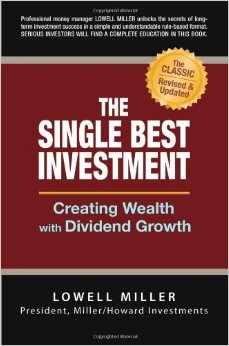
The Single Best Investment

singlebestBy Jonathan Chevreau

The Single Best Investment: Creating Wealth with Dividend Growth, is the title of a classic investment book first published in 2006 by Lowell Miller, who heads Miller/Howard Investments.

It came to my attention via Wes Moss, who I interviewed for an upcoming MoneySense column, whose book You Can Retire Sooner Than You Think we reviewed here at the Hub. I mentioned the book in passing last week in this MoneySense blog last week. That blog focused on asset allocation but provided a big hint about Miller’s philosophy: there’s no place for bonds in Lowell’s investment worldview.

The book’s first chapter sets the tone in its title: Say goodbye to bonds and hello to bouncing principal. Like many stock believers and bond haters, Miller takes it as a given that the investing environment generally includes inflation. Since “safe” investments like t-bills, bonds, money market mutual funds and CDs (Certificates of Deposits in his native USA; known as GICs in Canada) are all “poor investments because what they give is less than inflation takes away.”

Stocks are the only asset class likely to beat inflation in the long run, but the “price” of such an investment is volatility. Continue Reading…

A handy decision-tree chart for would-be online discount brokerage users

rob-carrick
RobCarrick.com

The Globe & Mail’s Rob Carrick has created a really useful decision-tree flowchart to help newcomers to online or discount brokerages choose which best will suit their needs.

You’ll need to zoom in a few times to make this legible on the web. Once you do, go to the top left corner to “Start Here.” Then you answer a series of yes/no questions about what’s most important to you.

For instance, are US$ accounts critical for you or not? How about buying bonds online? Do you just want the cheapest bank-owned discount brokerage, or one where you’re already doing your banking? Do you want deep research and tools?

Two thumbs up to Rob and his graphic designer, and to the Globe & Mail in general, which earlier this week was named by the CFA Society of Toronto as the country’s top financial publication.

And you read it here first: a year from now Rob will be chosen as financial journalist of the year!

A decade of stagnation scarier than rising rates?

McGugan
Ian McGugan/Twitter.com/

Good piece in the Globe by Ian McGugan posted Monday night. When I tweeted it out this morning, it was retweeted by some prominent Tweeters. McGugan — back to writing after years of being an editor at MoneySense and the Globe — suggests a major threat for investors is “the possibility that nothing happens … nothing as in a stagnant market, not just for a year or two, but for a decade or more to come.”

Citing the work of Boston-based Ben Inker (of GMO), McGugan says that if interest rates and bond yields remain stubbornly low, it may be hard for institutional investors (pension funds) to generate a return of inflation plus 5%. Stock investors need to be more cautious because the expected reward for taking on risk is getting muted. Long-term returns from both stocks and bonds may disappoint and investors may be lucky to get a 3.5% real return: net of inflation but before taxes and fees.

Scary indeed! But Inker doesn’t suggest parking in cash, seeing some value in the less obvious emerging markets, European value stocks and high-quality American companies.