Tag Archives: debt

Canadians’ Debt grew to all-time high in second quarter: TransUnion

Source: TransUnion Canada consumer credit database.

The double whammy of Inflation and rising interest rates are starting to be reflected in higher debt levels for Canadians, according to data released by TransUnion on Tuesday.

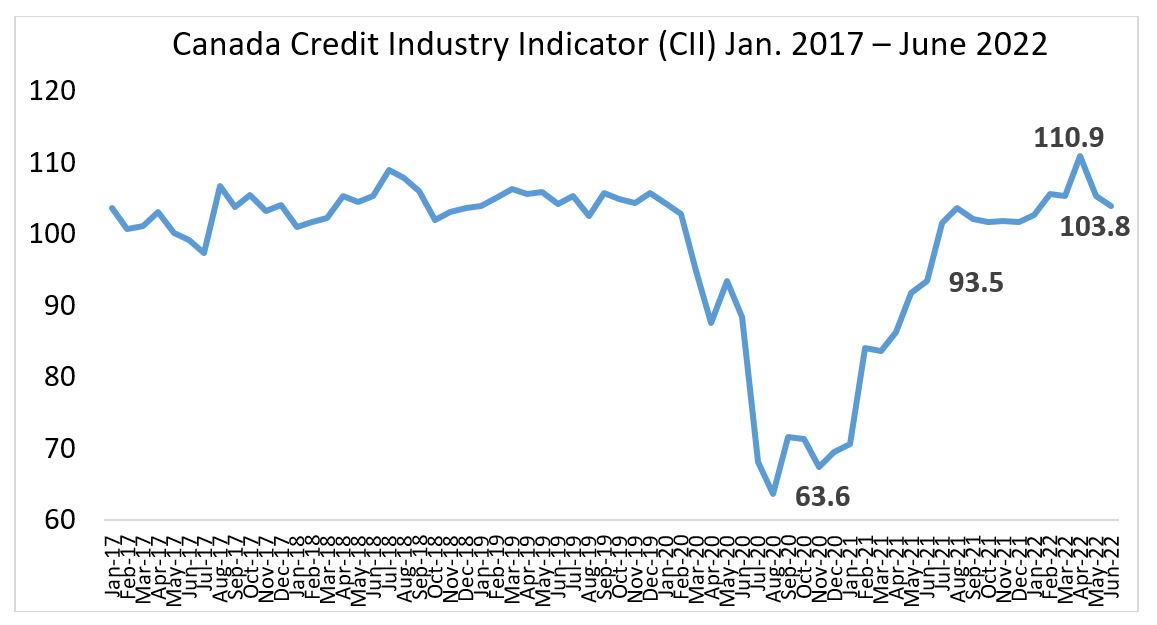
The  Q2 2022 Credit Industry Insights Report reveals that Canadians are vulnerable to payment shock as a result of high interest rates and inflation challenges: “While there have still been gains in GDP growth and low unemployment, they are being offset by higher interest rates and cost of living. This lead to higher credit balances and increased costs of mortgages and loans.”

The report shows total debt grew to an all-time high at $2.24 trillion, up 9.2% year-over-year (YoY) and up 16.4% from pre-pandemic levels observed at the end of 2019. The number of consumers with a credit balance has increased by 2.1% YoY to 27.6 million and is up 2.5% from pre-pandemic levels (Q4 2019).

You can find the full press release here.

Among the highlights:

  • Household finances were worse than planned for 41% of consumers, with 48% reporting they had cut back on discretionary spending. A startling 26% of consumers expect to be unable to repay their bills and loans.
  • Total debt grew to an all-time high at $2.24 trillion, up 9.2% from the same time in 2021 and up 16.4% from pre-pandemic levels at the end of 2019.
  • Consumer delinquency on personal loans has returned to pre-pandemic levels, up 19 base points (bps) YoY to 0.93%. Credit card delinquency is also up six bps from the prior year same quarter.
  • Increased balance growth was observed across all risk tiers, with super prime consumers continuing to build overall outstanding balances (+5.1% YoY).

In the release, TransUnion director of financial services research and consulting Matt Fabian says: “With the combination of higher cost of living and higher spend driving up credit balances, along with the recent surge in mortgages and auto loans, many Canadian consumers are under pressure from higher debt service obligations … We’ve seen an increase in miminum payment amounts of up to 10% in the first half of 2022, depending on the combination of products consumers hold, along with a slight deterioration in payment behaviours.”

As shown in the chart below, all major credit products saw an increase in average balance per borrower, which TransUnion says indicates the consumer need to leverage credit.

Fabian added that “During the pandemic we saw a decline in credit participation among below prime consumers, so this marks a re-engagement of this segment as potentially the effects of inflation and interest rates have driven demand, while lenders have increased their risk appetite in this space.”

The report shows that overall, consumer-level delinquencies (borrowers more than 90 days past due on any account) increased by four basis points (bps) over the prior year same quarter, but still remain below pre-pandemic levels. “Consumer delinquency on personal loans has returned to pre-pandemic levels, up 19 bps YoY, to 0.93%.” Credit card delinquency (90 days or more past due) is higher by six bps from the prior year same quarter.

TransUnion says the increase in consumer delinquencies is partially explained by accelerated lender origination activity, especially in the below-prime space: “The YoY rises in delinquencies are generally small and not a major concern, given the increased credit activity observed post pandemic. As credit activity recovers and grows further, consumer credit performance is expected to return to near pre-pandemic levels.”

7 simple ways to pay off Debt in Retirement

By Lyle Solomon

Special to the Financial Independence Hub

Carrying debt into retirement can ruin your golden days. You will most likely have a limited income after retirement. Though you can boost your Social Security income by taking the proper steps, your spending may rise yearly due to inflation, causing your budget to collapse. The burden of debt and the high expense of medical bills can wreck your retirement.

According to a CNBC report, the total debt burden of America’s senior citizens has increased by 543 per cent in the last two decades. 70% of baby boomers are in credit-card debt and are unsure how they can get out of it. It is recommended to pay off your obligations as soon as possible and enjoy your golden years. Repaying your debts during retirement is always a good idea. But how will you go about it? Here are some of the ways to repay your debt in retirement so that you can enjoy your golden years.

1.) Sort your debts by priority

The first stage in debt management in retirement is prioritizing which bills to pay off first. So, make a list of all your loans, including their interest rates and remaining balances. Unsecured debts, such as credit cards, typically carry high-interest rates because no collateral is required. I recommend that you begin paying off loans with the highest interest rates first, which will help you save money in the long term. Furthermore, unlike student loans or mortgages, you cannot deduct interest payments from your tax returns on unsecured debts.

It is preferable to pay off unsecured obligations first, as they are not usually tax-deductible.

2.) Seek professional debt assistance

Are you drowning in high-interest unsecured debt? If this is the case, you may be working hard to repay your obligations but cannot do so due to the constant high-interest rates. In that case, you can seek professional assistance by contacting a reliable debt relief business. The company’s debt advisers will examine your debts and develop a reasonable payback plan based on their findings. You can enroll in a credit card consolidation process to repay your huge credit-card debt. Settling debts can be possible under the guidance of a professional debt relief company. They will  negotiate with your creditors to lower the excessive interest rates. Once your creditors have agreed, you can begin making single monthly payments for all of your debts. In this manner, you may pay off your unsecured obligations without worrying about coordinating multiple payments. You can also save money on interest payments because your debts’ interest rates will likely be reduced.

3.) Examine your budget again

Hopefully, you have a budget to keep a proper spending plan and preserve money for your financial well-being. The more you put into your monthly loan payments, the faster you’ll be debt-free. As a result, you must save more to increase your monthly loan payments.

To do so, go over your budget and identify places where you may decrease costs and save money. You can save money on things like eating out, entertainment, cable TV subscriptions, etc. You can save a significant amount of money to put towards your monthly debt payments.

4.) Follow your preferred debt repayment plan

You can use any debt payback method, debt snowball or avalanche. The debt snowball strategy requires prioritizing the debt with the lowest outstanding sum first. At the same time, you must make minimum payments on all of your other loans. After you have paid off that loan, you must focus on the debt with the second smallest outstanding balance, and so on. Continue Reading…

What Is a Credit Utilization Ratio and why does it matter?


By Mihika Ghosh

Special to the Financial Independence Hub

Credit agencies use the credit utilization ratio to understand your credit score. The credit utilization ratio is your total credit to your total debt amount expressed in a percentage format. In simpler terms, it refers to the amount of debt you carry in all your credit cards.

Your credit utilization ratio increases and decreases based on the payments and purchases you make. It is one of the factors that help credit bureaus calculate a credit score and makes up 30% of your credit score. Hence, it is vital to keep your credit utilization ratio as low as possible to avoid debts and maintain good credit scores.

Why does your Credit Utilization Ratio matter?

A high credit ratio negatively impacts your credit score rating process and indicates that the borrower is not great at managing their credit. At the same time, a low credit ratio implies excellent credit management skills.

There are two important factors in maintaining a good credit score – first is your payment history. Late payments and abundant due payments can negatively impact your credit score. The second factor that lays of great importance is your credit utilization ratio. If you are trying to land in the good books of the lender, you need to build good credit by keeping your credit ratio as low as possible.

Most credit experts recommend you keep your credit ratio below 30% to maintain a good credit balance.

How to Calculate your Credit Utilization Ratio 

First and foremost, start by pulling up all your credit cards together, then add up all of your outstanding balances along with your credit limits. Take this figure and then divide it by your total credit limit and multiply it by 100. Your answer will be your total credit utilization ratio which will come out in percentage.

Note that your credit ratio is not the sum total of each of your credit card’s credit utilization ratios. Hence, it is important to calculate the total credit of all your credit cards.

However, if this calculation method is still too complicated for you, or you would just want to let calculators do the math, there are plenty of online credit utilization calculators that can assist you.

How to Improve your Credit Utilization Ratio

Lowering your credit utilization ratio is easy and one of the quickest ways to boost your credit score. Here are a few ways in which you can get started:

  1. Pay All Your Debts

The best way to improve your credit ratio is by paying off any pending credit card balances. Every dollar you pay reduces your credit ratio and total debts, in turn getting you one step closer to a good credit utilization ratio. This even reduces the baggage of interest you had to pay on those balances. Continue Reading…

How to correct a Business Deficit

Image via Pexels

By Jim McKinley

Special to the Financial Independence Hub

You want your business to succeed and generate a profit; however, an unexpected expense or change in the economic climate can lead to a deficit.

In fact, an estimated 70% of small businesses have outstanding debt, and businesses in Toronto, Canada, are no exception. While it may cause you to worry about your business’s future, you can proactively take steps to get your business out of debt.

Small Business Grants

Search for grants for small businesses, which provide money you won’t need to repay. The process of finding the right grant, especially one that you qualify for, may seem tedious, but you can find them.

Before beginning the grant application process, you should have created a business plan. Make sure it includes a detailed description of your business with clear objectives. You can use this plan to show you’re serious about your business. Besides applying for grants, you can use your plan to intrigue prospective investors.

As you’re searching for grants, look for ones specific to your business type. Some examples of grants for Canadians include the Amber Grant and Cartier Women’s Initiative Award.

After finding grants that you qualify for, you’ll need to complete an application that highlights the business’s best attributes and usually include your comprehensive business plan.

Small Business Loans

If you’re merely going through a hard time at the moment, consider a small business loan. In most cases, lenders only extend these loans to companies that have been in business for at least two years.

You’ll also need to have a decent credit score to qualify. Additionally, the lender will want to see your personal and business income taxes as well as income and balance statements. The lender may also ask to see your business plan.

Carefully analyze your Budget

Know your company’s finances. Review where your major spending is and determine if you could reduce or eliminate any of it. Continue Reading…

7 ways Investors are capitalizing on Low Interest Rates


What is one way you are capitalizing on low-interest rates?

To help you take advantage of low interest rates, we asked seven finance experts and business leaders this question for their best insights. From refinancing existing debts to looking into preferred securities, there are several suggestions that may help you benefit from the low interest rates in the current market. 

Here are seven tips for capitalizing on low-interest rates:   

  • Work with a Finance Broker
  • Get into Commercial Real Estate
  • Refinance Existing Debts
  • Consider FHA Loans
  • Maximize your Return on Investment
  • Set up a Line of Credit
  • Look into Preferred Securities 

Work with a Finance Broker

As a commercial finance broker, we work with our clients to make sure they can take advantage of low interest rates based on a thorough financial analysis of their company. By analyzing your credit and financial health, we act as an advisor to clients for the best financing options available. We also build leases and loans that are competitively priced and intelligently structured for an optimal plan that works for the client and incorporates the best rates possible.  — Carey Wilbur, Charter Capital

Get into Commercial Real Estate 

If you’ve been wondering whether or not to buy commercial real estate, I think it is time to take advantage of the “perfect storm” of low borrowing rates. You’ll save a lot of money on interest payments long term. Now is the perfect moment to acquire real estate for assets as an income-generating resource. So whether you need a warehouse, brick-and-mortar store outlet, or even commercial property to place on the rental market, this might be one of the best times to get in the market. Renting your commercial property will provide you with consistent income, and you might also benefit from tax advantages on depreciation and capital gains, to name a few. — Allan J. Switalski, AVANA Capital

Refinance Existing Debts 

I suggest you consider refinancing your small business loan, mortgage, or student debt, which entails paying off your existing loan by taking out a new one. The new loan will have a reduced interest rate. Ideally, opt for a fixed-rate loan to lock in the lower rate. To qualify, you’ll need strong credit, but if you do, you’ll save a lot of money on interest fees. — Sundip Patel, LendThrive

Consider FHA Loans

FHA Loans are a great low-interest lending option that is offered by the Federal Housing Administration. These loans are intended to increase homeownership access to those who may not have the ideal credit score required by other financing options. This can be a great option for prospective real estate investors. — Than Merrill, FortuneBuilders

Maximize your Return on Investment

When interest rates are low, borrowing is much more convenient. Continue Reading…