All posts by Jonathan Chevreau

Weekly Wrap: ORPP gets flak, investors watch weights, the worst form of debt

2_hc1oqU
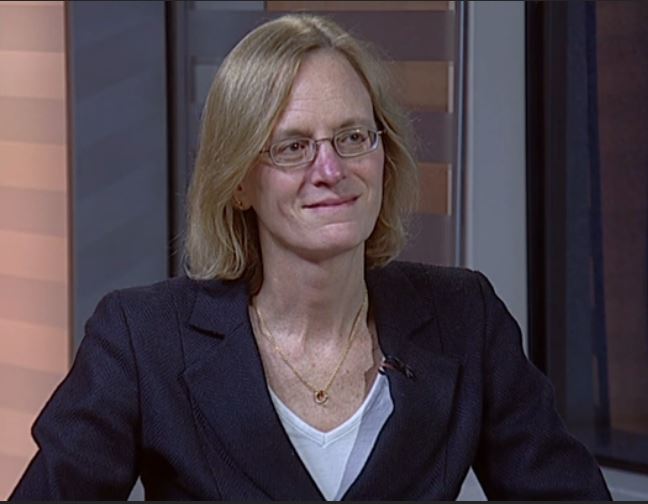
Ontario premier Kathleen Wynne (Twitter.com)

First an apology that there was no weekly wrap last weekend because of a long weekend I took up in cottage country. Summer is fast fading!

This week the big macroeconomic story was China’s devaluation and the consequent negative impact on global markets. Probably the least confusing and most insightful analysis of this story was in The Economist, titled The Devaluation of the Yuan: The Battle of Midpoint.

On the retirement front in this country, the controversial story was the Ontario Government’s unveiling of the details of the much-loathed ORPP, or Ontario Retirement Pension Plan. This appears to becoming an election issue as the animosity between Stephen Harper and Ontario premier Kathleen Wynne heats up. We did weigh in with a recap on the Hub, which you can find here.

Note the references to two studies that came out hours before the official ORPP announcement, providing a little grist for the mill for both fans and foes of the plan. My own take on this will be in an upcoming Motley Fool blog but the main critiques of the ORPP — and there were many — are summarized below.

10 reasons ORPP should be T-ORPP-EDOED
Continue Reading…

Ontario Retirement Pension Plan to roll out from 2017 to 2020

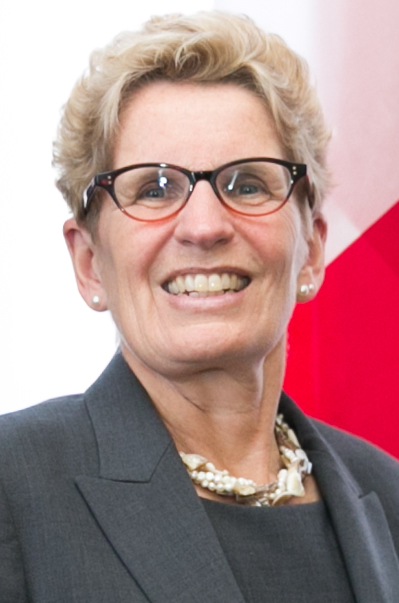
Minister Robb with Ontario Premier Kathleen Wynne, Northern Development and Mines Minister Michael Gravelle, HOM Tony Negus and Consul General/Senior Trade and Investment Commissioner Portia Maier.
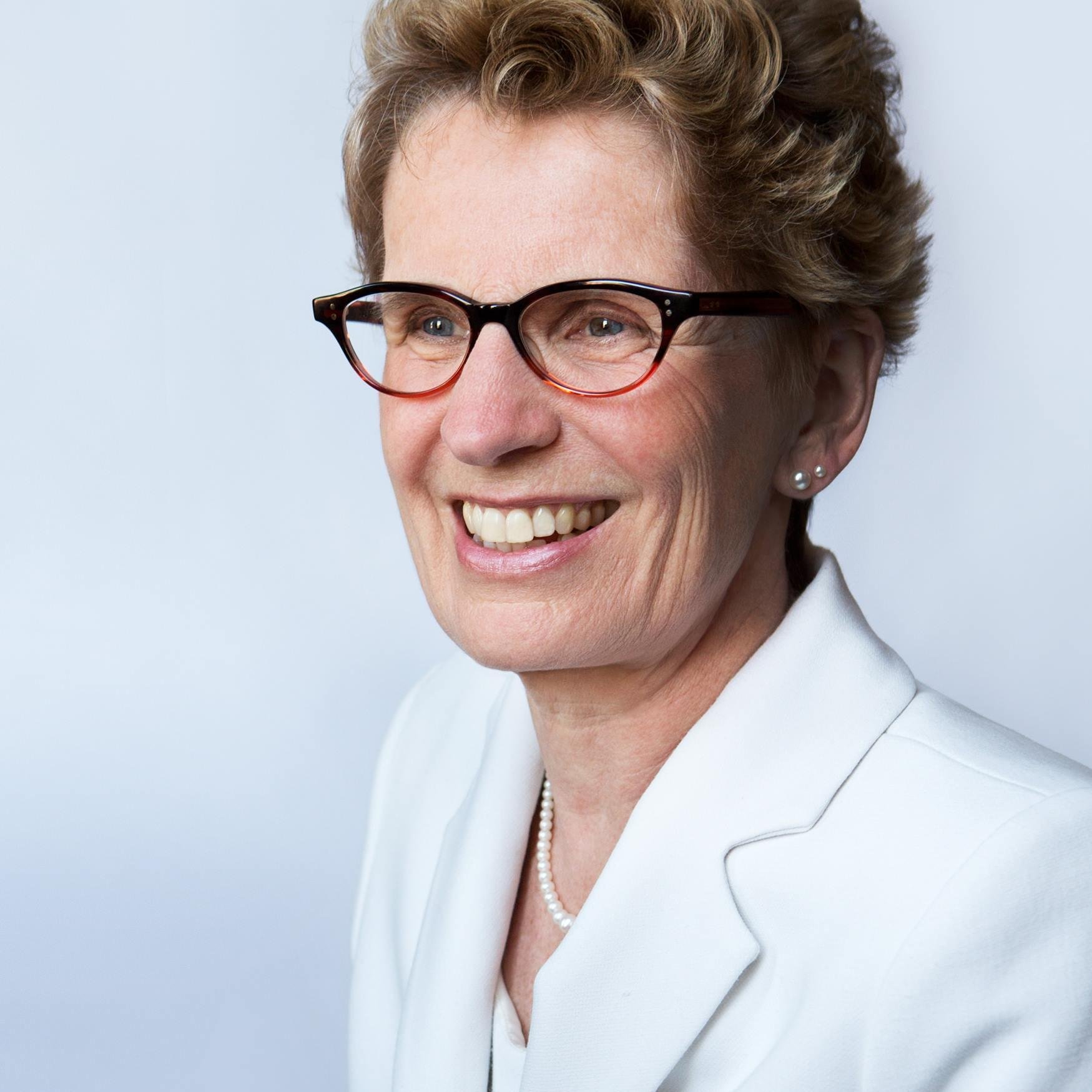
Ontario premier Kathleen Wynne (Wikipedia)

The National Post today reports the Ontario Government has revealed more detail today about its oft-criticized Ontario Retirement Pension Plan or ORPP. As it reported in a later update, staff at the province’s bigger employers will have to start paying into the plan by 2017, with a full rollout by 2020.

Employers will be exempt only if they already offer a mandatory Registered Pension Plan that Ontario deems comparable to the ORPP.

In 2022, Ontario residents who are 65 or older can start drawing benefits from the ORPP. Full-time or part-time workers  can  start contributing at 18 and continue until they turn 70.

While Premier Wynne has not released cost estimates of the program, the Post reported the plan will collect 1.9% of a workers’ income up to $90,000 from both employers and employees to a total of 3.8%, or a combined total of $3,420 a year

Meanwhile, proponents and critics of the plan got a little more ammunition from two different retirement reports produced by the Fraser Institute and the Mowat Centre.

Released Tuesday, the Fraser Institute report is titled Lessons for Ontario and Canada from Forced Retirement Savings Mandates in Australia. It suggests that if Canada really needs more “forced” retirement savings, Ontario should look for global examples that could be alternatives to its current plans for the ORPP. For example, it should look at Australia’s “superannuation” program, a contribution-based scheme to which both employers and employees must contribute. Australia’s system of “individual accounts” provide more flexibility and choice than, for example, the Canada Pension Plan (CPP.)

Like the CPP, the ORPP is a “collective” pension plan that pay out defined benefits over a lifetime. The paper by the Mowat Centre (titled Lower Risk, Higher Reward: Renewing Canada’s Retirement Income System) says the Australian plan has had “mixed” success because as a Defined Contribution plan it doesn’t guarantee a set income for life, as does the CPP and DB pensions in general.

Middle-to-upper income earners may need more help

Continue Reading…

Motley Fool co-founder launches new Rule Breaker podcast

Motley-Fool-podcast
David Gardner’s new podcast

As was announced here recently, Motley Fool co-founder David Gardner has launched a new weekly financial podcast called Rule Breaker Investing.

I’ve long been a fan of Chris Hill’s weekly Motley Fool Money podcast, which generally runs close to 40 minutes and makes a nice weekend catchup on the financial week just past. He also spearheads a shorter podcast called Market Foolery, which runs Monday to Thursday. (Full disclosure, I once appeared on that podcast and also write for Motley Fool Canada).

Identifying the “lead” dogs

Continue Reading…

Registered Disability Savings Plans a boon to disabled

11
Minister of State for Social Development, Candice Bergen.

The last of the seven eternal truths of personal finance that ran in the Financial Post in June was “Don’t say no to free money from the government.”  After it ran, I heard from a spokesperson for the federal government’s Ministry of State for Social Development. He pointed out that it might have been appropriate to mention the RDSP or Registered Disability Savings Plan, which helps families with disabled family members save in a tax-efficient manner. I agreed it was an omission and offered to run the guest blog that follows. — JC

By Candice Bergen,

Special to the Financial Independence Hub

If you have a disability or if you have a child with a disability, you should know about the Registered Disability Savings Plan (RDSP).

The purpose of the plan is to help Canadians with disabilities and their families to save for the future. The federal government also provides generous grants and bonds to help with long-term savings if eligible.

Across Canada, approximately 100,000 people are already benefiting from the program; however, estimates show that there are still more than 400,000 people who are eligible but have yet to take advantage of this plan. That’s unfortunate because it’s very easy to set up an account. In fact, all you need is a Social Insurance Number, be a Canadian resident and qualify for the Disability Tax Credit.

Once an RDSP is set up, anyone—friends or family included—can contribute to it. You can open a RDSP at a participating financial institution, such as a bank or credit union.

You can contribute as much as you want to a RDSP each year, up to a lifetime limit of $200,000. The earnings from the Plan build tax-free until taken out of the plan.

Ottawa supplements RDSP in two ways

Continue Reading…

Weekly wrap: ETFs pass hedge funds, stocks beat bonds but do Boomers own too many stocks?

Interview Jan 2014
Deborah Fuhr, ETFGI LP

As The Economist reported this week, assets of exchange-traded funds (ETFs) have now surpassed those of hedge funds. In one of its “Leaders,” the British weekly described hedge funds as a “fatal distraction” for pension funds. It also ran a longer piece on the same story, saying ETFs are roaring ahead of hedge funds.

Back in 1999, ETFs had only 10% of the assets under management enjoyed by hedge funds. Today, according to research firm ETFGI LP of London, UK, assets in the global ETF industry were US$2.971 trillion (that’s Trillion with a T!), compared to US$2.969 trillion for hedge funds.  But of the $36 trillion (US$) invested in pension funds worldwide, only $3 trillion are in hedge funds. It noted that CalPERS, a huge US pension fund, has “concluded putting money in hedge funds is not worth the bother.”

I talked to ETFGI managing partner Deborah Fuhr (who left BlackRock four years ago) after the Economist article came out this week. She said the ETF industry likely became bigger than hedge funds back in May of 2015, when ETF assets reached US$3 trillion but as Hedge Fund Research only provides quarterly data rather than monthly, it could not be confirmed until now.

It’s a big milestone for ETFs but there’s still a long way to go before ETFs catch mutual funds. Fuhr says global ETFs have just 8.4% of the assets claimed by the mutual fund industry.

Stocks versus Bonds

Here at the Hub the past week we had a study in contrasts, with two financial expert/authors running guest blogs with quite disparate views on asset allocation. Continue Reading…