Reviews

We review books that deal with everything from financial independence topics to politics, and anything in between. We may sometimes stray into films and music if there is a “Findependence” angle.

Stop making investing mistakes, avoid junk science

stevelowrie
Steve Lorie

By Steve Lowrie, Lowrie Financial

Special to the Financial Independence Hub

You probably first heard this classic joke years ago. Maybe you even laughed at it once or twice:

Patient: “Doctor, doctor, it hurts when I do this.”

Doctor: “Then stop doing it.”

Yes, it’s silly … and yet wise. We’ve all been known to ignore what is painfully obvious, especially as investors.

For example, even though we know it’s a mistake to buy high and sell low, there’s ample evidence that this is exactly what most of us end up doing anyway. In “How Investors Leave Billions on the Table,” Wall Street Journal columnist Jason Zweig shared a litany of analyses on how investors lose available returns through hyperactive trading. Zweig published his post in 2013, but human nature hasn’t changed, so the stats undoubtedly remain relevant: We’re hard-wired to trade at all the wrong times.

Why we make mistakes

Continue Reading…

You say you want a (Blockchain) Revolution?

WP_20160505_17_41_31_Pro
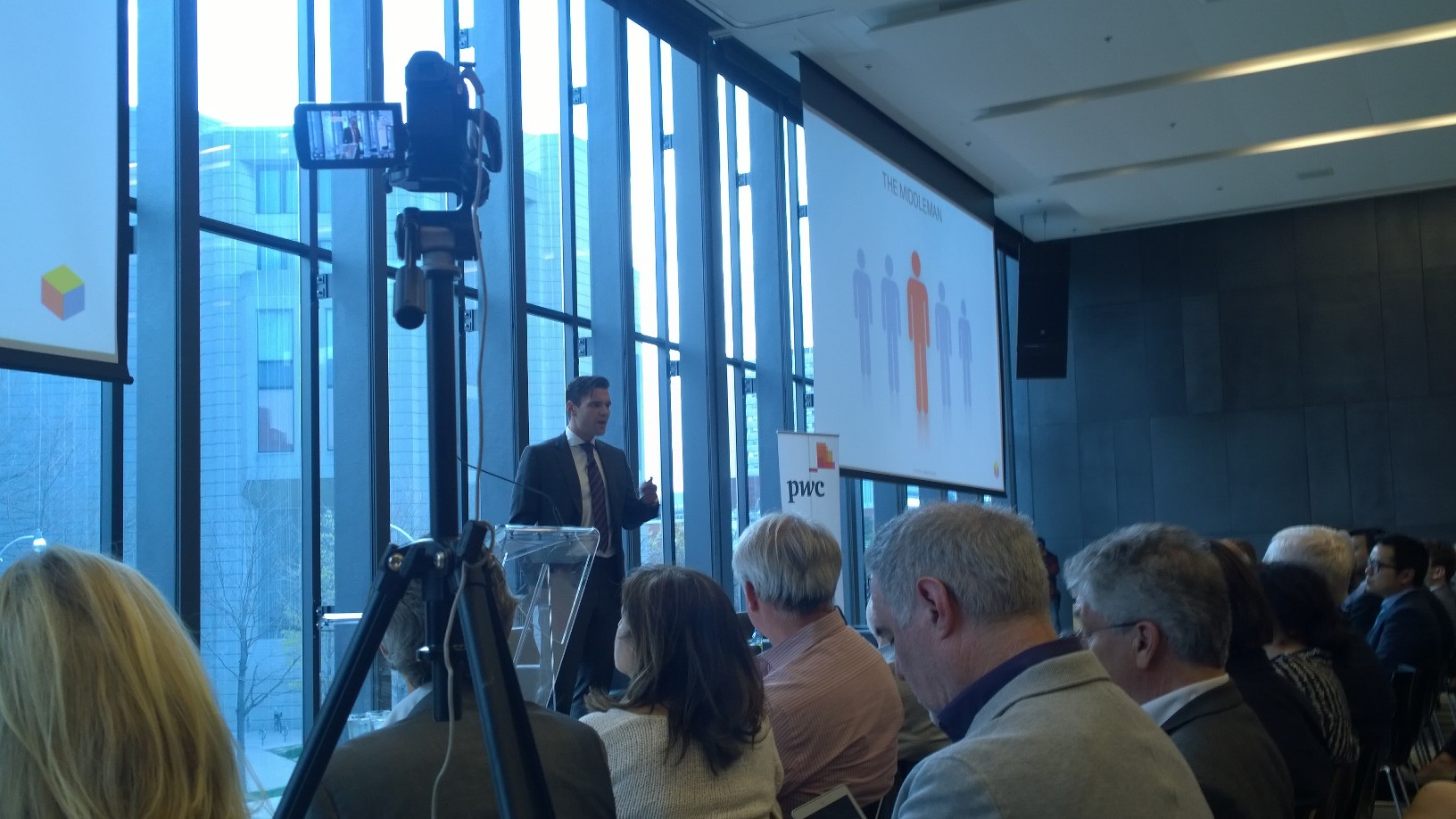
Alex Tapscott at Rotman School Thursday evening

My latest Financial Post article can be found by clicking the highlighted text here: Bitcoin and Blockchain could be the start of a revolution bigger than the Internet itself.

My actual words in the lead to the piece were “as big or bigger” but no matter. That’s the gist of a new book by author and technology guru Don Tapscott, and his investment banker son, Alex.

The duo launched their co-authored new book, Blockchain Revolution, to a standing room only audience at Toronto’s Rotman School of Management on Thursday evening. It was the first stop in a ten-city book tour.

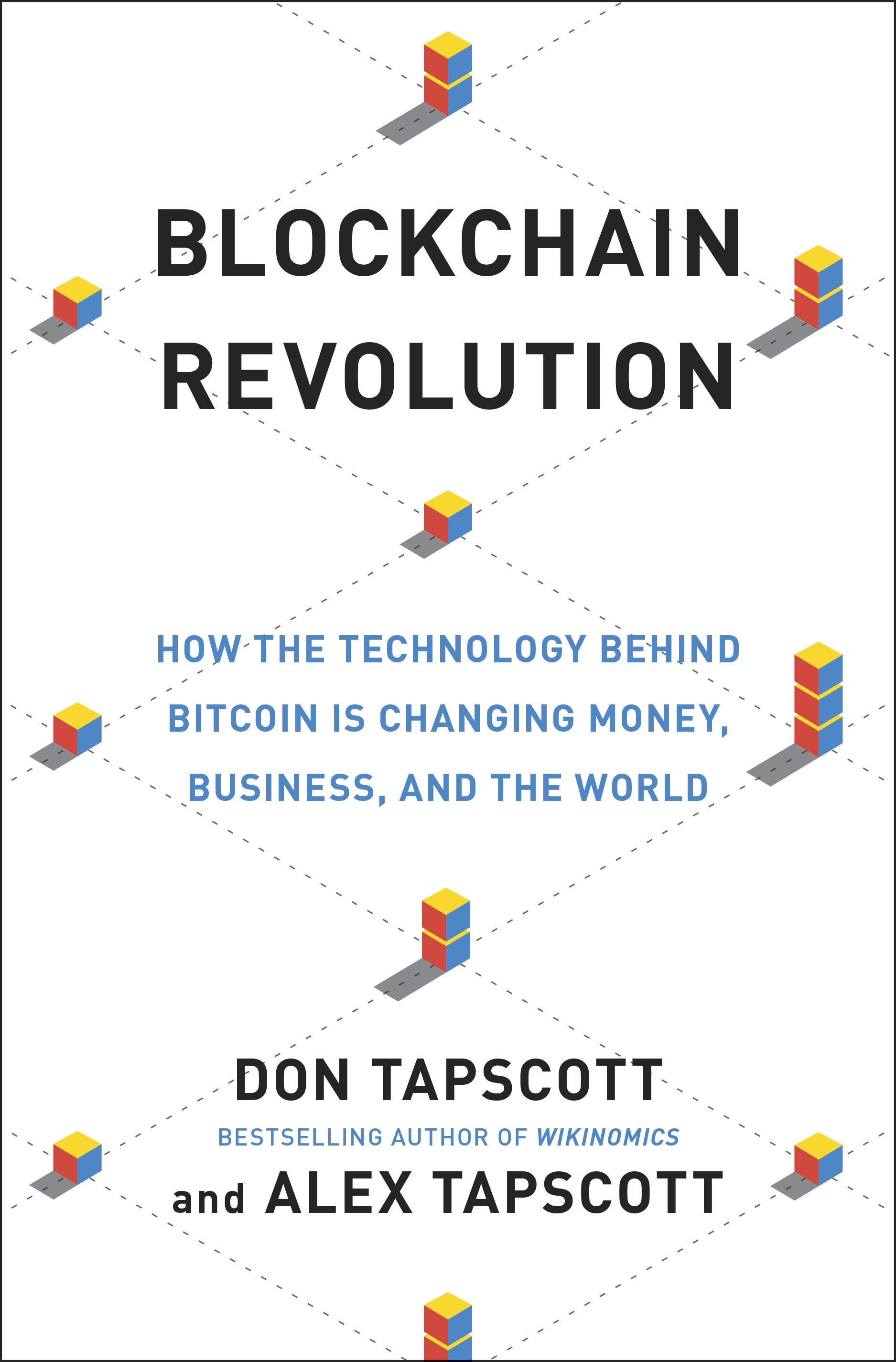
9781101980132_Blockchain_final process.indd Blockchain is the Trust Code

The famous Bitcoin is based on blockchain, which meant that for the first time in history two or more parties don’t need to know or trust each other in order to transact or do business online. They don’t need powerful intermediaries because “Trust is programmed into the essence of the technology so blockchain is the trust code.” The book (shown to the right) says big banks and some governments are implementing blockchains as distributed ledgers to speed transactions, improve security and lower costs. These ledgers reside on millions of computers provided by volunteers, so there is no central database that can be hacked. Using heavy cryptography, transactions are time-stamped and validated by a community of miners who are rewarded with more bitcoins. Every time a new block is added to the chain, it must refer to a previous block to be valid: hence the term blockchain.

Real FinTech is based on Blockchain

Continue Reading…

Book Review: Ernie Zelinski’s Look Ma, Life’s Easy is a primer on Success

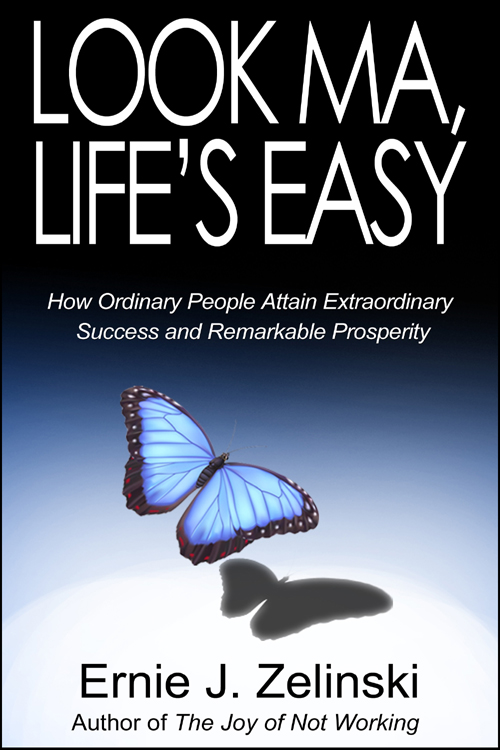
ZelnskicoverErnie Zelinski is a successful Edmonton-based author who has sold more than 900,000 books in 29 countries around the world. He has just published his latest book, titled Look Ma, Life’s Easy, which passes on his secrets for success, primarily to the millennial generation. .

Zelinski is best known for writing The Joy of Not Working and How to Retire Happy, Wild And Free, both of which sold hundreds of thousands of copies.

The new book takes a pseudo-fictional approach like the one famously used by David Chilton in The Wealthy Barber (or less famously, in my own Findependence Day!).

Zelinski’s subtitle is “How Ordinary People Attain Extraordinary Success and Remarkable Prosperity.” The story revolves around two characters, a young adult named Sheldon and his soon-to-be mentor Brock, described as a successful middle-aged man.

The Easy Rule of Life

Over the 200-plus pages of the book Brock imparts to Sheldon his secret of success, which he calls The Easy Rule of Life.

This is the main takeaway, which has a certain amount of paradox in it: Continue Reading…

Review: The Procrastinator’s Guide to Retirement

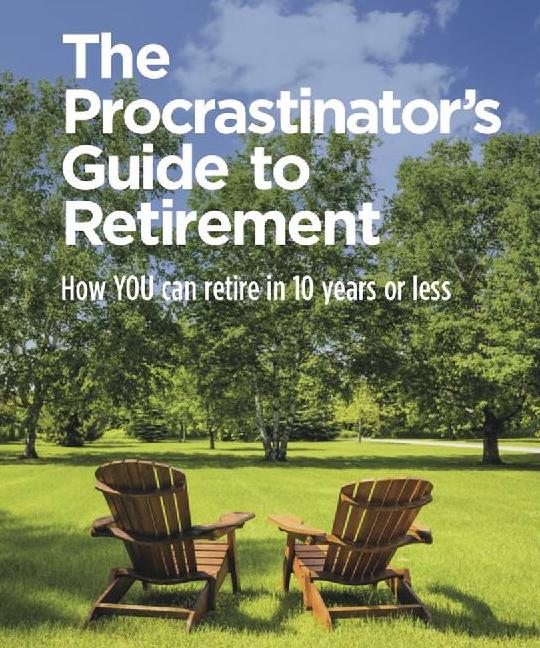
TPGTRI have to hand it to financial author David Trahair. He and his publishers have come up with a catchy title that’s bound to sell a few copies of his latest (sixth) book. It’s titled The Procrastinator’s Guide to Retirement and sports an equally alluring subtitle: How YOU can retire in 10 years or less.

You can find a Q&A I conducted with Trahair about the book here at MoneySense.ca.

When I perused the book initially, my first impression was that there seemed to be relatively little about procrastination and the critical last ten years of Retirement. The book doesn’t have an index but my initial perception was that the book is a standard-issue retirement guide covering all the good things you should do throughout your working career, not just the final ten years.

Which came first, the book or the title?

Continue Reading…

Book Review: Ian Brown’s Sixty

Sixty+Ian+BrownPerhaps it’s because we are contemporaries who went to the same college and are slightly acquainted, but my wife and I thoroughly enjoyed reading Ian Brown’s recently published memoir/diary: Sixty (Random House Canada, 2015).

While attempting to read some other book, I was constantly interrupted by the laughter Brown induced in my wife. I was soon hooked, in part because some of the names Brown drops were familiar to us.

Sixty started as a Facebook post and a declaration that Brown — a feature writer for the Globe & Mail — would be conducting a diary of his 61st year. It reads more like a personal memoir than a mere day-by-day chronicle of events, although Brown deftly does both.

Not surprising, since Brown is a skilled proponent of what is variously known as creative non-fiction or literary journalism. He has over the years been a literary journalism instructor at the Banff Centre, where we once enjoyed a pleasant dinner with him.

The angst of Boomer envy

Continue Reading…