Victory Lap

Once you achieve Financial Independence, you may choose to leave salaried employment but with decades of vibrant life ahead, it’s too soon to do nothing. The new stage of life between traditional employment and Full Retirement we call Victory Lap, or Victory Lap Retirement (also the title of a new book to be published in August 2016. You can pre-order now at VictoryLapRetirement.com). You may choose to start a business, go back to school or launch an Encore Act or Legacy Career. Perhaps you become a free agent, consultant, freelance writer or to change careers and re-enter the corporate world or government.

Rethinking the 4% Safe Withdrawal Rate


By Fritz Gilbert, TheRetirementManifesto

Special to the Financial Independence Hub

The 4% safe withdrawal rule is a well-known “rule of thumb” for those planning for retirement.

One thing it has going for it is that it’s simple to apply.

If you have $1 Million, the 4% safe withdrawal rule says you can spend $40,000 (4% of $1M) in year one of retirement, increase your spending by the rate of inflation each year, and you’ll never run out of money.

Simple, indeed.

But, I’d argue that simplicity comes at a potentially very serious cost.  Like, potentially running out of money in retirement.

Today, I’ll present my argument against the 4% safe withdrawal rule given our current economic situation, and propose 3 modifications I’d recommend as you determine how much you can safely spend in retirement.

Rethinking the 4% Safe Withdrawal Rule

I read a lot of information on retirement planning, and lately, I’ve been seeing more content challenging the 4% safe withdrawal rule.  I agree with those concerns and felt a post outlining my position was warranted.

As a brief background, the 4% Safe Withdrawal Rule is based on the “Trinity Study,” which appeared in this original article by William Bergen in the February 1998 issue of the Journal of the American Association of Individual Investors.  For further background, here’s an article that Wade Pfau published on the study.  I’ll save you the details, you can study them for yourself at the links provided.

The conclusion, based on the study, is summarized below:

“Assuming a minimum requirement of 30 years of
portfolio longevity, a first-year withdrawal of 4 percent,
followed by inflation-adjusted withdrawals in
subsequent years, should be safe.”


My Concerns With The 4% Safe Withdrawal Rule

In short, some key factors about the study are relevant, especially as we “Rethink The 4% Safe Withdrawal Rule”

  • It’s based on historical market performance from 1926 – 1992.  

My Concern:  Relying on past performance to predict future returns can mislead the investor, especially given the unique valuations in today’s markets (more on that below).  This point is driven home by this recent Vanguard article that projects future returns based on current market valuations:

4% safe withdrawal rule assumptions

If you think the Vanguard outlook is depressing, check out this forecast from GMO as presented in this Wealth of Common Sense article titled “The Worst Stock and Bond Returns Ever”:

stock and bond forecast

  • Note the VG forecast is nominal (before inflation) whereas the GMO is real (after inflation).

Why Are Future Returns Expected to Be Below Average?

The biggest driver for the projected below-average returns is the high valuation in today’s equity market (particularly in the USA), and the fact that interest rate increases would negatively impact bond yield.  In my view the CAPE Ratio is one of the best indicators of market valuations.  Below is the current CAPE ratio as I write this post on November 16, 2021:

CAPE Ratio

The reason current valuations matter is the fact that they’re highly correlated to future returns, as indicated from this concerning chart that I saw last weekend on cupthecrapinvesting:

CAPE ratio correlation to future returns

Based on today’s CAPE ratio, the historical correlation suggests the forward total returns over the next 10 years could be close to 0%.  Scary stuff for someone who’s planning on equity growth to pay for their retirement expenses.  Scary stuff for someone who’s committed to the 4% safe withdrawal rule.


In addition to the bearish outlook for US equities, bonds could be negatively impacted if when interest rates increase.  To get a sense of how low the US 10-year Treasury yields are now compared to long-term averages, below is the current chart of 10-year yields from CNBC:

4% safe withdrawal rate rule - bond impact

Bond prices are inversely related to interest rates, so as rates go up, bond prices go down.  So, if you’re holding 60% stocks and 40% bonds, it’s possible that you could see decreases in both asset classes.

As cited in this Marketwatch article, The Fed has begun signaling that interest rates are “on the table” for 2022, especially if the current bout of inflation proves to be less than a transitory event (for the record, I suspect it will be more than transitory, but what do I know?).

This brings us to the next concern …


My Other Big Concern With The 4% Safe Withdrawal Rule:

In addition to my concern above (the risk of an extended period of below-average market returns), I don’t like the part of the rule which states you should “increase your spending the following year based on the rate of inflation.”  As most of you know, inflation has been on a bit of a tear lately, as demonstrated in this chart from usinflationcalculator.com:

Based on the 4% Safe Withdrawal Rule, you would be increasing spending next year based on the higher inflation rate, which could well be the same time you’re seeing lower than expected returns.

I don’t know about you, but that doesn’t sit well with me.


Suggested Modifications to the 4% Safe Withdrawal Rule

It wouldn’t be fair to cite my concerns with the 4% Safe Withdrawal Rule without suggesting an alternative. Following are the 3 modifications I’d suggest for your consideration.  I’m applying all 3 of these modifications in our personal retirement strategy. Continue Reading…

Promoting the Health of Older Adults: a worthy read for all

By Mark Venning, changerangers.com

Special to the Financial Independence Hub

As an everyday person taking a fast read of the title of the new book – Promoting the Health of Older Adults: The Canadian Experience – you wouldn’t exactly get the sense of what to be surprised by or expect what content would be covered within. In the first place, unfortunately, it’s not likely that this book will make it into the hands of everyday people any time soon.

You might ask, what are we promoting, what’s so specific for older adults – eat a nutritional diet of foods, exercise to stay fit, keep your brain active and get your proper sleep? Isn’t that what anyone through their life course should be doing? Yes, maybe. But that’s not at all exactly what you will get here.

Appreciating focus, as the writers in the preface state, the book’s main purpose is for knowledge building on issues related to older adults and their care, primarily for target audiences such as, “undergraduate and graduate students in gerontology and aging, health promotion… and other fields….” and the five groups identified include, educators, learners, policy makers, researchers and practitioners and leaders working with older adults in civic society organizations.

While that may sound too academic, after reading this book my belief is that the general public of everyday people, older adults and others younger, will also benefit greatly from an education presented here on this important subject. If you do flip through this 600-plus page tome, you might think of it at first as “insider dialogue” on health promotion; but not so fast, don’t put the book down.

Serving to heighten knowledge & awareness to engage in social health dialogue.

Choose as many words as you want; for me, Promoting the Health of Older Adults is a social health dialogue, inclusive for all Canadians – interconnected subject areas, holistic, comprehensive, diverse. The arrival of this book is timely, to promote conversation with friends and family, considering our collective journey through the COVID world to date has heightened our awareness of the workings of our own health and our social and healthcare systems.

Briefly, on the structure of this book; it certainly is more of a study text book on over thirty topic areas in seven well laid out parts. However nothing I’ve read talks over the heads of readers, and if facilitated well in a real time group discussion format, there is a set of critical thinking questions at the end of each chapter that would further serve to heighten knowledge and awareness of readers, enough to make you want to be a more engaged in this social health dialogue. Continue Reading…

Three in four Canadian Women want to start a Side Hustle

Side hustling is on the minds of a majority of Canadian women, according to a survey conducted by Angus Reid for Simplii Financial.

Fully 90% of Canadian women aged 18 to 34 are interested in exploring opportunities to earn money outside their day jobs, the survey found. And across all age groups, 76% are interested in starting a side hustle.

Most of these women are hoping to find more ways to save for major life events, including early retirement, making a down payment on a home, and growing overall savings for their futures.

This Tuesday, March 8th is International Women’s Day, and to celebrate, Simplii Financial will be hosting a special virtual event: the #SimpliiSideHustle panel [Link below.] It brings together three barrier-breaking Canadian women who have launched successful businesses, and who will offer their advice to those looking to start their own side hustles.

The panel features Canadian entrepreneurs Abby Albino (@abbyalbino on Twitter), Avery Francis (@averyfrancis), and Zehra Allibhai (@zallibhai), who will share the challenges they faced in starting their sneaker, consulting and fitness businesses, respectively. They’ll also share how they’ve challenged gender stereotypes that disempower women, to support a more equitable future.

Start-up capital a barrier for women seeking side hustles

Despite the high number of women looking to launch side hustles, more than a third of all women surveyed, and nearly half of those aged 18 to 34, indicated that lack of start-up capital was a barrier to pursuing their side hustles. Continue Reading…

12 creative ways to earn money Post Retirement

What is one creative way to earn money post-retirement? 

To help retirees find creative ways to earn money, we asked business consultants and entrepreneurs this question for their best tips. From offering peer-to-peer storage to substitute teaching, there are several creative ways that may help you earn money and stay active post-retirement.

Here are 12 creative ways to earn money post retirement: 

  • Peer-to-Peer Storage
  • Lease a Car On Turo
  • Become a Movie Extra
  • Get a Part-time Audio Transcription Job
  • Freelance Writing
  • Consider Airbnb
  • Rent Out Property
  • Try Driving
  • Affiliate Marketing 
  • Blogging
  • Become a Consultant 
  • Become a Substitute Teacher

Peer-to-Peer Storage

During retirement, many folks seek out sources of passive income like renting, yet often want to avoid the responsibilities and potential problems associated with landlordship. Peer-to-peer storage is a creative compromise. Instead of renting out living space, owners can rent out storage space, such as garages, spare rooms, and closets. These arrangements tend to be easier to end if necessary than tenancies, and involve much less interaction with renters. Retirees are likely to have some extra space in their houses, and putting these rooms to work is a great way to generate extra revenue. — Michael Alexis, TeamBuilding

Lease a Car on Turo

Services like Turo allow customers to borrow someone else’s car for a set period of time. Why not lease out your car to them? Yes, if you’ve got a car, or multiple cars, then you’re ready to become a car-sharing entrepreneur. Some people can earn $10,000 or more by sharing their cars on Turo. The more cars you offer, the more you can earn! — Brian Greenberg, Insurist

Become a Movie Extra

Although it is usually not a very profitable venture, it can become a lifestyle for many. Playing a small part or a background role in TV or cinema productions can be very enjoyable and allow to meet interesting people and even see famous actors. After establishing relationships with casting agencies, it is relatively easy to find some gigs regularly. That’s especially the case for productions recorded during working hours when most professionals are busy with their 9-5s. — Michael Sena, SENACEA

Get a Part-time Audio Transcription Job

Audio transcription is the process of typing out recorded audio, such as podcasts, business meetings, and qualitative research interviews. Transcription agencies regularly hire typists to work 100% remotely as independent contractors. The work is often flexible and can be done on your own schedule. When applying for a transcription job, you’ll usually required to complete an aptitude test that involves transcribing some sample audio. — Chloe Brittain, Opal Transcription Services

Freelance Writing

A great backup plan or extra income is freelance writing. There are so many writing opportunities and contracts for part-time work or a side hustle. Fiverr is an easy place to find extra writing work on the side, you can create your own profile and upload previous work for companies to find and hire you. Plus, you can work from home with freelance writing. — Michael Jankie, Natural Patch

Consider Airbnb

If you have an extra room or an extra property you only make use of seasonally, you may want to consider listing it on Airbnb. Hotels are often too expensive or inconvenient for some travelers, making Airbnb an attractive alternative. You can be as involved in running your Airbnb as you want, or take a largely hands-off approach to making money post-retirement. — Lily Yu, Oak Springs Realty

Rent out Property

One popular option for retirees and senior citizens with extra space or multiple properties is to rent out their spare rooms and suites to people looking for short-term housing options. This can be especially beneficial if you own a vacation property that you only use sparingly but would like to earn an extra income. Many websites allow people to find renters quickly, so take some time to research which ones are best suited to your needs. — Chris Thompson, Backdoor Survival

Uber or Lyft Driving

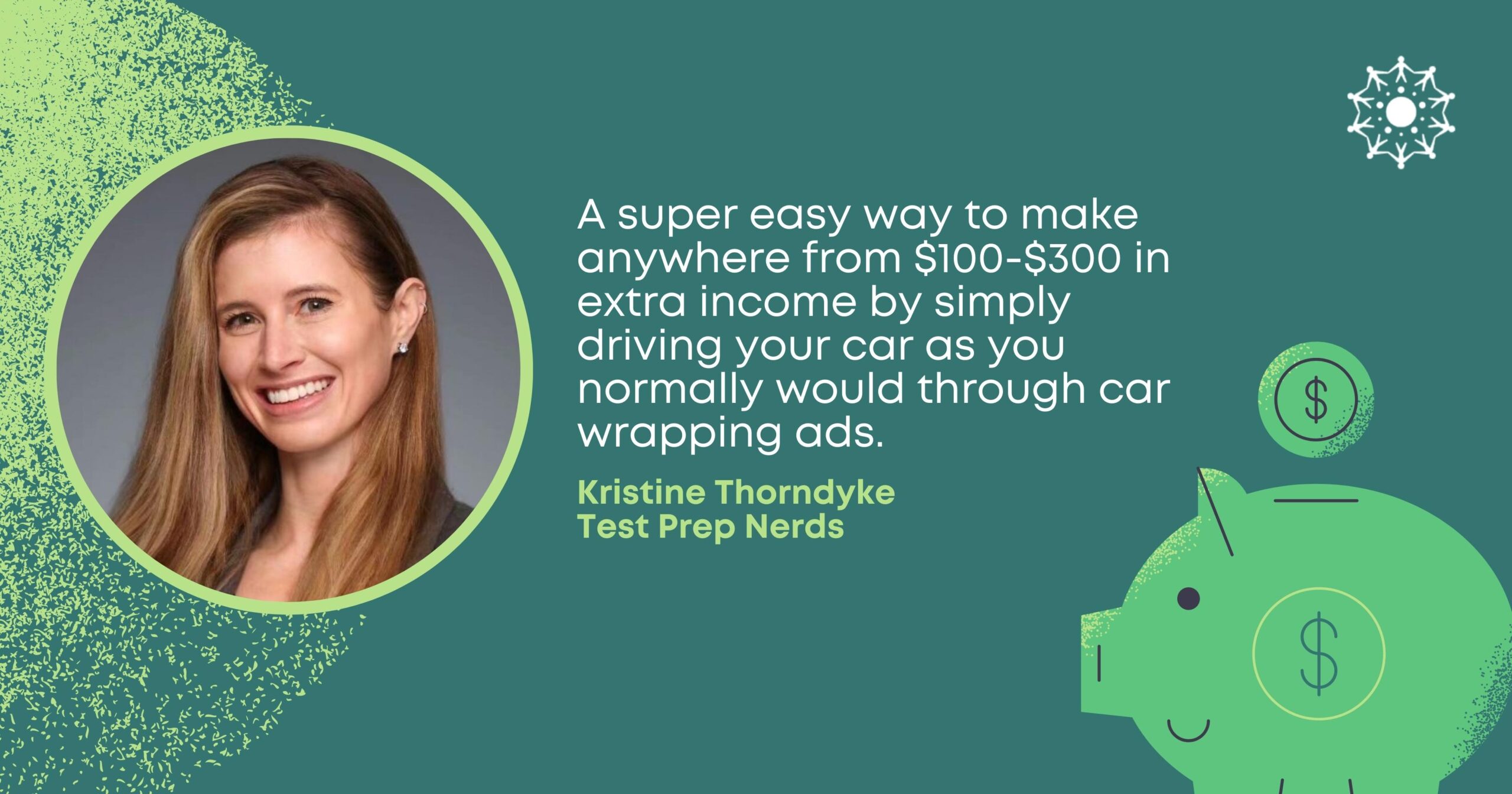
The best Uber and Lyft drivers I’ve encountered have been retirees. They’re working because they want to, not because they have to. They’re upbeat, conversational, and usually know the geography of the area like the back of their hand.

If you’re retired and don’t like sitting around the house all day, why not carve out a few hours of your afternoon giving people a lift (no pun intended)? If you live in proximity to the airport, most of your customers will be people from out of town that you will enjoy conversing with. It’s an easy way for retirees to earn extra spending money and passengers generally enjoy their company. — Jon Carder, Vessel Health

Affiliate Marketing

Affiliate marketing is one of the most effective strategies to boost retirement income. Once set up, it will continue to generate income pretty much without any intervention. And there lies the appeal, it can be completely passive or operated with just a few hours a week and the help of a virtual assistant, or a younger family member. Continue Reading…

Get started on your investing journey

RBC/Getty Images

By Michael Walker,

Vice-President & Head, Mutual Funds Distribution & RBC Financial Planning, RBC

 (Sponsor Content)

Whether you’re investing to build up a nest egg for retirement, to buy your first home or for a special vacation, finding the right investing solutions can play a big role in helping you achieve your financial goals.

If you’re just starting on your investing journey, however, I know that taking that first step can feel overwhelming.

To help get you started, I’ve responded below to four of the most common questions I hear about investing:

  • Do I have enough money to get started?

You don’t need to have a lot of money to start investing. It’s important to start early, however, as even small amounts of money can grow into big investments with the power of compounding.

As a simple way to think of this, compounding enables your investment to generate earnings and then those earnings are reinvested. In other words, compounding helps you grow earnings on your earnings.

The basic idea is to start investing with an amount you’re comfortable with and increase that amount over time. Once you’ve decided how much you can invest, consider setting up an auto-deposit that automatically moves that money from your chequing account into your investment account on a regular basis. This could be weekly, bi-weekly, monthly: whatever works for you and your finances. Then, as your available funds increase, you can increase the amount you deposit.

In this way, you’re benefiting from paying yourself first and the money you’re depositing will be in your investment account before you can even miss it.  

  • How do I decide which investing options are right for me?

Finding the right investing solutions starts with understanding your investing style. Here are some questions you can ask yourself, to help determine that style:

  • Why do I want to invest? How does this fit into my overall financial goals?
  • Do I want to make my own investing decisions and do I have the time to manage my own investments?
  • Am I comfortable with virtual investing, knowing there are professionals managing my investments in the background?
  • Do I want advice and support from an advisor, and if so, how much?
  • Do I want to combine doing some investing on my own with working with an advisor?  

Once you understand your investing style it will be much easier to determine the investing options that suit you best. Continue Reading…