Posted By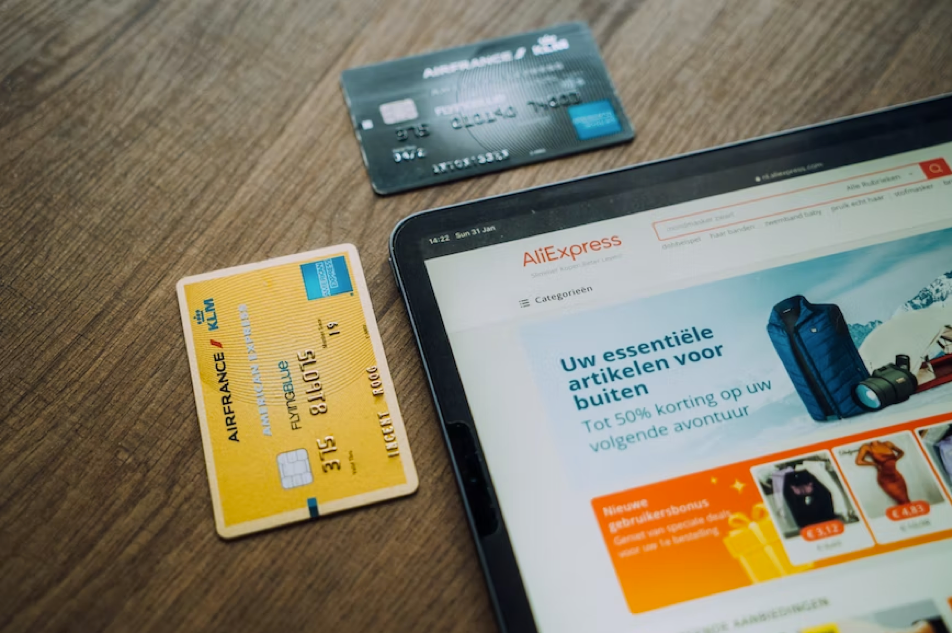
By Beau Peters
Special to the Financial Independence Hub
Incredible advancements in technology have made it so we don’t ever need to leave the house to buy the stuff we like. You can buy anything from food to video games from the comfort of your home and have it delivered the next day. However, while convenient, the rise of online shopping has also made it easier than ever to overspend and put our information in the hands of hackers and cybercriminals. It is important to know your limits and shop responsibility.
Today, we will talk a bit about the dangers of shopping online and what you can do to protect your data and your pocketbook.
Awareness of the Risks
If you watch the news, then you have likely heard reporters talk about the criminals that use online spaces to steal the money of consumers. The reality is that if you do anything online, then hackers can get to it. According to Help Net Security, 62% of consumers believe that online shopping fraud is a real threat, yet, most people continue to use e-commerce sites for their needs. The reason is likely because they don’t really understand how bad stolen data can be.
The fact is that if a hacker is able to get ahold of your credit card or debit card numbers, they can steal and retain that information and use it to take out fraudulent loans on your behalf. Even the personal data that you put online, like email addresses and birthdays, can be sold to other hackers for profit.
There are several threats to be aware of, including unencrypted websites. When you shop on any site, you must look at the web address and ensure that it says HTTPS before the website name. The “S” in this case stands for secure, and it means that the website automatically encrypts your payment information so it cannot be read by hackers even if it is stolen.
You must also be cautious when you are shopping on your phone, especially when you are out in public. Hackers can set up fake Wi-Fi networks that can look like the real deal, but when you connect, you are really connecting directly to the hacker. From there, they can steal your data and log into your bank accounts. This is why it is so important to be vigilant about online security wherever you go.
Before you buy anything at a website that you have never shopped at before, take a look around the site for red flags. For instance, if the website does not have a returns policy that you can easily find and review, then it may mean that it is a scam. Also, be aware of spelling mistakes. It is human nature to make a spelling error here and there, but if the website is littered with errors, then it may mean that it was put up in a hurry and the site is not legitimate.
Be Smart about Payment Info and Documentation
It is essential that you are aware of how you use and store your payment information as you do your online shopping. Many companies give you the option to store your payment information on their website for the sake of convenience. But you should know that if that store is not secure, then your financial security could be in jeopardy. So, if you must keep your card information saved at that company, then ensure that they are encrypted, and if you are unsure, then shop elsewhere.
If you do decide to keep your payment information on a website, you must make it a habit to routinely check your debit and credit card statements. If that website is hacked and your card information is stolen, then hackers can continue to use your payment info to make fraudulent purchases. By checking your statements, you can spot false charges right away and file a dispute with the bank.
Also, consider how you store and access those statements. If you view them online at your banking or credit card website, then ensure that you protect your data by adding a complicated password complete with letters, numbers, and special characters. Make your password hard to guess and change it regularly.
Some people choose to download their statements and save them to their computers for future review. If you do the same, then you still need to be cautious because hackers can also get into your device and read the information you have on those statements. Once the documents are on your computer, consider redacting your personal information off of those PDF files, so it cannot be read by others. Doing so will black out your name, address, account number, and other sensitive information so you can keep your files without fear of theft.
Be Smart about your Money
The other potential downside to online shopping is that the instant access makes it too easy to give into temptation and buy more than you need. It can only take a few seconds to find that you have spent the money that you need to pay the bills. That is why it is always a smart idea to create a budget so you can ensure that you stay within your limits.
It is important to consider your wants and needs when budgeting. You may want to buy that new sweater or television set, but are there expenses that you absolutely need to pay before you can splurge? Sit down and write down all of your monthly expenses, including childcare, food costs, utilities, and rent. Compare those necessary costs with the money you have coming in each month. If there is anything left over, then you can dedicate some of that to your online shopping desires.
Part of financial security is not letting your debt get so out of hand that you dig yourself into a deeper hole. If you have debt on credit cards, then it is important that you focus on eliminating it before you spend more unnecessary money. You can do that by adding your credit card payments into your budget, paying more than the minimum each month, and if you have more than one card, then pay off those with the highest interest first. Then, once you pay off your debt, reward yourself with something nice.
As you can see, it is important that you are smart about how you shop online. By shopping with a plan, you can avoid scams and improve your financial situation so you can have a brighter future.
 Beau Peters is a creative professional with a lifetime of experience in service and care. As a manager, he’s learned a slew of tricks of the trade that he enjoys sharing with others who have the same passion and dedication that he brings to his work. When he is not writing, he enjoys reading and trying new things.