General

Are people denying the Real Estate Bubble, too?

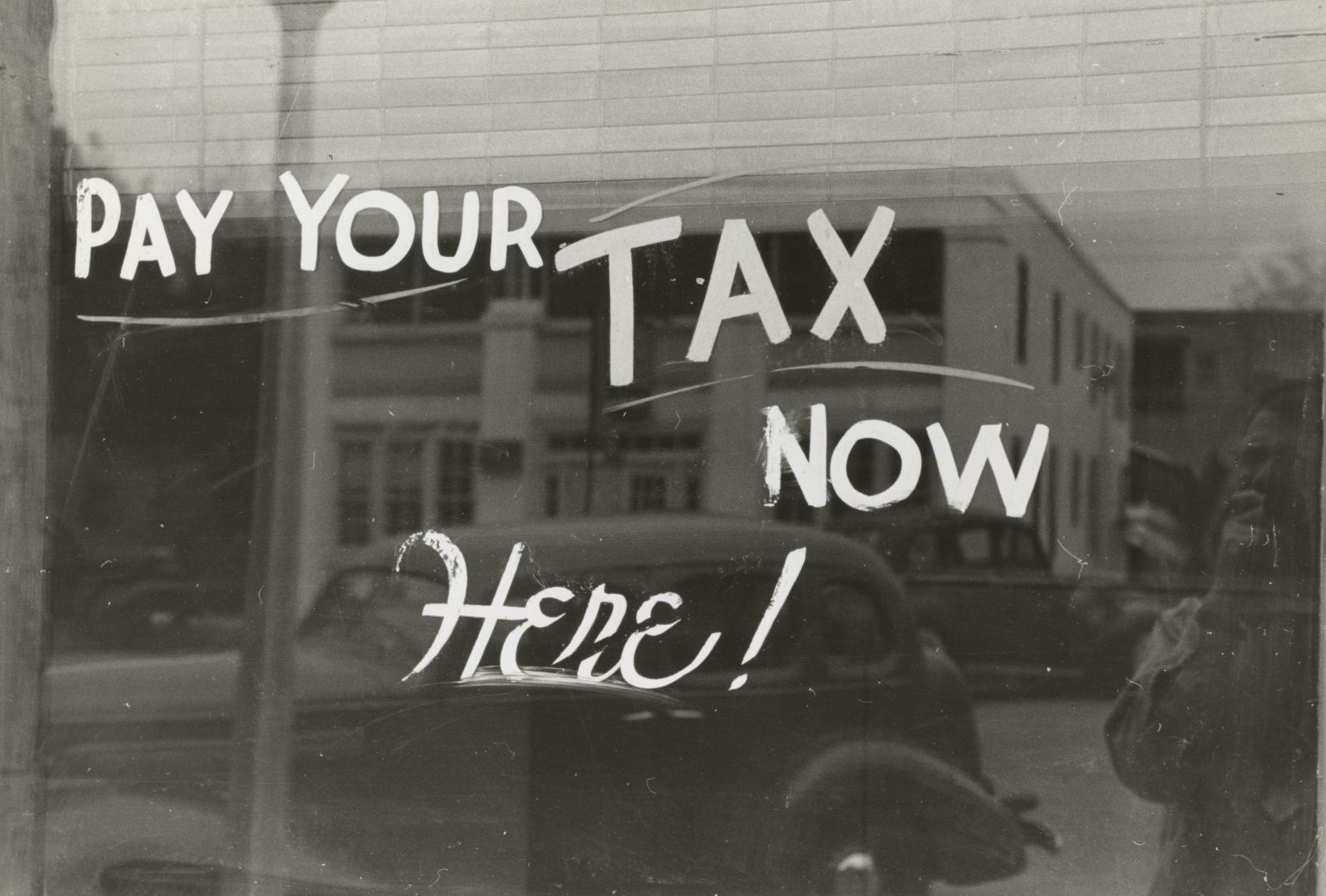
Will Ottawa move to deflate the housing bubble by taxing gains on principal residences in today’s federal budget?

 By John De Goey, CFP, CIM

Special to the Financial Independence Hub

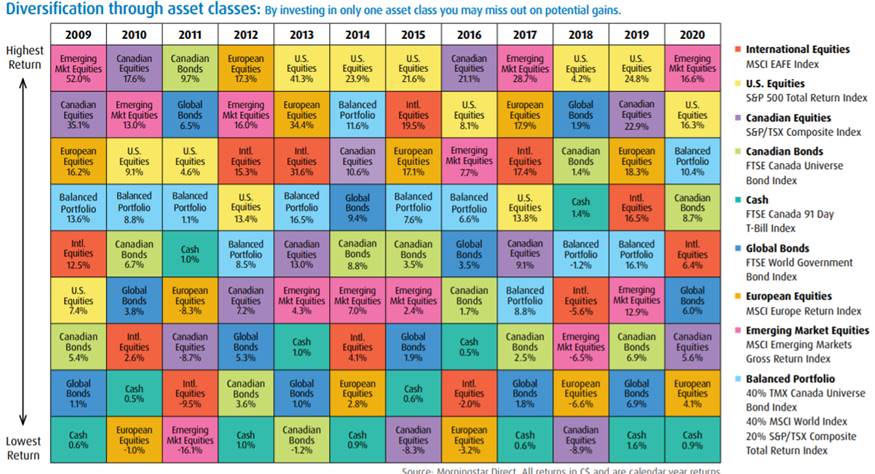
By now, you’ll know that I have been alarmed by stock market valuations for a long time.  Late 2019, in fact.  Recently, I pointed out that the bond market is severely stretched based on current valuations.  It is now time to complete the TINA Trifecta by examining real estate.

Depending on which market you live in, real estate in Canada is likely somewhere between “pricey” and “there is no hope in hell for my kids to ever be homeowners.” In the greater Toronto area where I live, the consensus price increase in real estate over the past three years or so is about 30%.  No wonder there’s speculation that today’s federal budget will include a capital gains tax inclusion on principal residences.

From a financial planning perspective, it is considered prudent to expect real estate prices to increase at about the same rate as wage inflation.  Inflation has been hovering at around 2% for over thirty years now.  Wages have been essentially stagnant over that timeframe. Stated differently, we’re already gone nearly a third of a century with real estate outpacing prudent expectations.  That’s what TINA [There Is No Alternative] does.  There is literally no alternative because everything is expensive to buy, but ridiculously cheap to own: in terms of financing and the cost of carry.

The Great Covid Bubble?

Central banks started lowering rates aggressively in early March 2020.  Government cheques started to be sent out about a month later.  Over the past 13 months or so, we’ve reached the point where the combined effects of fiscal and monetary stimulus have created a valuation monster that touches on all major asset classes.  Stocks, bonds and real estate are all flashing red in terms of historical valuations.  Someday, people could look back on this unprecedented confluence of circumstances and call it the “Great COVID Bubble.” Continue Reading…

Purpose cleared to launch world’s first Ether ETF

Burning questions Retirees face


Retirees face a myriad of questions as they head into the next chapter of their lives. At the top of the list is whether they have enough resources to last a lifetime. A related question is how much they can reasonably spend throughout retirement.

But retirement is more than just having a large enough pile of money to live a comfortable lifestyle. Here are some of the biggest questions facing retirees today:

Should I pay off my mortgage?

The continuous climb up the property ladder means more Canadians are carrying mortgages well into retirement. What was once a cardinal sin of retirement is now becoming more common in today’s low interest rate environment.

It’s still a good practice to align your mortgage pay-off date with your retirement date (ideally a few years earlier so you can use the freed-up cash flow to give your retirement savings a final boost). But there’s nothing wrong with carrying a small mortgage into retirement provided you have enough savings, and perhaps some pension income, to meet your other spending needs.

Which accounts to tap first for retirement income?

Old school retirement planning assumed that we’d defer withdrawals from our RRSPs until age 71 or 72 while spending from non-registered funds and government benefits (CPP and OAS).

That strategy is becoming less popular thanks to the Tax Free Savings Account. TFSAs are an incredible tool for retirees that allow them to build a tax-free bucket of wealth that can be used for estate planning, large one-time purchases or gifts, or to supplement retirement income without impacting taxes or means-tested government benefits.

Now we’re seeing more retirement income plans that start spending first from non-registered funds and small RRSP withdrawals while deferring CPP to age 70. Depending on the income needs, the retiree could keep contributing to their TFSA or just leave it intact until OAS and CPP benefits kick-in.

This strategy spends down the RRSP earlier, which can potentially save taxes and minimize OAS clawbacks later in retirement, while also reducing the taxes on estate. It also locks-in an enhanced benefit from deferring CPP: benefits that are indexed to inflation and paid for life. Finally, it can potentially build up a significant TFSA balance to be spent in later years or left in the estate.

Should I switch to an income-oriented investment strategy?

The idea of living off the dividends or distributions from your investments has long been romanticized. The challenge is that most of us will need to dip into our principal to meet our ongoing spending needs.

Consider Vanguard’s Retirement Income ETF (VRIF). It targets a 4% annual distribution, paid monthly, and a 5% total return. That seems like a logical place to park your retirement savings so you never run out of money.

VRIF can be an excellent investment choice inside a non-registered (taxable) account when the retiree is spending the monthly distributions. But put VRIF inside an RRSP or RRIF and you’ll quickly see the dilemma.

RRIFs come with minimum mandatory withdrawal rates that increase over time. You’re withdrawing 5% of the balance at age 70, 5.28% at age 71, 5.40% at age 72, and so on.

That means a retiree will need to sell off some VRIF units to meet the minimum withdrawal requirements.

Replace VRIF with any income-oriented investment strategy in your RRSP/RRIF and you have the same problem. You’ll eventually need to sell shares.

This also doesn’t touch on the idea that a portfolio concentrated in dividend stocks is less diversified and less reliable than a broadly diversified (and risk appropriate) portfolio of passive investments.

By taking a total return approach with your investments you can simply sell off ETF units as needed to generate your desired retirement income.

When to take CPP and OAS?

I’ve written at length about the risks of taking CPP at 60 and the benefits of taking CPP at 70. But it doesn’t mean you’re a fool to take CPP early. CPP is just one piece of the retirement income puzzle. Continue Reading…

36% of non-Home-Owners under 40 giving up on buying first home, but others still plan to buy, RBC poll finds

By Amit Sahasrabudhe, Vice-President, Home Equity Financing, RBC

(Sponsor Content)

The road to home ownership isn’t always an easy one and the pandemic has made it even more complex, bringing new challenges and opportunities for prospective homebuyers. For some, lifestyle changes have created opportunities for increased savings. Others find themselves priced out of the housing market.

RBC conducts an annual Spring Housing Poll to learn more about Canadians’ attitudes around home buying and the housing market. This year’s results show that despite some Canadians – especially non-homeowners under 40 – reporting they have given up on the dream of home ownership, there has been an increase in those who say they’re likely to buy in the next two years.

Even amidst an increasingly expensive housing market, most Canadians feel that housing continues to be a good investment and that it is still better to buy than rent.

Should you buy now or buy later?

The first step in knowing whether it is the right time to buy is understanding how much you can realistically afford. This includes having a full picture of your current financial situation and how it may change in the future. It is also important to consider external factors like the overall housing market and economy, as they can also have a big impact on your ability to purchase a home.

In fact, our research found that many Canadians are planning to wait to purchase a home because of the state of the economy, concerns about their job security and affordability, especially in hot housing markets. For others, historically low interest rates and the fear that housing market will become increasingly unaffordable are motivating the decision to purchase a home sooner.

While Canadians now have a lot more factors to consider when buying a home, they don’t have to embark on this journey alone. Buying a home is one of the most important decisions you will ever make and there’s no substitute for doing your research and receiving expert advice on how to fit your home purchase into your overall financial plan. RBC Mortgage Specialists are available to help you with your home buying journey from start to finish, and appointments can be booked virtually, by phone or in-branch.

Saving for a down payment

When it comes to purchasing a home, saving for a down payment can often be the biggest barrier to entry. While everyone’s financial situation is different, some Canadians have taken advantage of reduced spending during the last year to build up their savings. Our research found that most Canadians who are likely to buy in the next two years are setting aside monthly savings to put towards purchasing a home, saving an average of $789 each month. Continue Reading…

Are Bitcoin and Retirement compatible?

By Emily Roberts

For the Financial Independence Hub

Retirement is for winding down, while Bitcoin is ramping up. It might seem like the two things do not have much in common, but on closer inspection, there is definitely room for some crossover.

Recently, CNN reported that Bitcoin was going mainstream, with one of the reasons being popular innovators like Elon Musk making substantial investments. More people are taking part now, using Bitcoin to its fullest potential. When it comes to retirement, it can certainly enrich that stage of life a great deal.

Here some reasons as to why Bitcoin and retirement could well be a perfect match.

A Sense of Freedom

Retirement is for enjoying a sense of freedom, taking your life in whichever direction that suits you when you are free of obligations. Coincidentally, Bitcoin presides over a similar ethos.

In an article by Forbes titled ‘How Bitcoin Fits In A Retirement Portfolio’, they insightfully note that “If you could invest with hindsight, you’d go back in time, put 100% of your money in crypto and hold tight to the roller coaster […] over a long stretch it has, unlike lottery tickets, delivered a positive return, and most of the time goes its own way, oblivious to the stock market.” No doubt many people of retirement age look back on numerous points in their life and wonder: what if?

As Bitcoin is trending up, a decent investment today can turn into a small fortune after a few years. Remember, Bitcoin was under US$5000 last year and is currently priced at US$55000. If a retiree had bought 1 BTC last year, his investment had increased tenfold. Price swings like this have become quite common, just imagine what the value of Bitcoin could be after a decade. All one had to do is buy Bitcoin and hold it. Continue Reading…