General

When Finances Matter: Buying Advice for Potential New Home Buyers

First time buyersBy Jennifer Caughey,

Special to the Financial Independence Hub

A paid-for home is the foundation of financial independence, according to this web site. But long before you reach that stage, stepping up to buy your first home can be a daunting process. It takes time and careful planning. Finances are especially important when you’re considering taking the huge step of buying your first home.

Not only do you have to consider whether you can come up with the down payment and closing costs, but you also have to think about whether you can afford the upkeep of ownership, potential repairs and improvements, and the full cost of buying a home in the first place (including principal and mortgage interest payments). There are a lot of variables to consider and potential home buyers need to be prepared for everything involved in the home buying process.

The True Cost of Home Ownership

Financially speaking, buying a home is a big deal. There’s a lot to think about in terms of where the money will go. It goes well beyond just paying for the home that you decide upon. There are plenty of areas where you have to ensure that you can afford this process, including: Continue Reading…


Weekly wrap: a Financial Independence Index, Death by Golf, Big OAS and more

silhouette of a man swingingIt seems our labours here at the Financial Independence Hub have not been totally in vain. At the Globe & Mail, Ian McGugan has introduced something he calls The Financial Independence Index, which he says was inspired by Scott Burns’ Financial Freedom Index. McGugan — who was the founding editor of MoneySense magazine — says his index is not about retirement readiness but about financial independence and estimates couples need $4.5 million to be truly findependent (of course he doesn’t use that term, yet). Ian, if you’re reading this, why not shorten it to the “Findex?,” a term coined by certified financial planner Fred Kirby in a little inside joke with me. You can find Fred’s coordinates at the Getting Help section here at the Hub.

Whether it’s Findependence, Retirement or Unretirement, an article in Inc. — Death by Golf — argues Retirement is a bankrupt industrial age idea anyway. The article introduces the term Conation, which it defines as “Committed Movement in a Purposeful Direction.”

At Retirement Redux, Sheryl Smolkin asks the intriguing question whether the government should expand OAS instead of CPP. Or go to the original article here. In the past, proposals to expand the Canada Pension Plan have been referred to as “Big CPP” so I guess we should refer to an expanded OAS program as “Big OAS.”  You heard the term first here at the Hub!

Do you own too many mutual funds? Hard to top the US$1.5 million spread among 35 mutual funds mentioned by Roger Wohlner in his blog at the Chicago Financial Planner. Continue Reading…

Taking a long-term view of your finances

robb-engen
Robb Engen, Boomer & Echo

By Robb Engen, Boomer & Echo

Special to the Financial Independence Hub

I like to keep tabs on my finances for both the short and long term. A monthly spending summary is great for keeping track of where your paycheque goes, and an annual forecast works well for spotting trends and opportunities for your money.


But it’s also nice to gaze into the future. I want to know what my finances will look like in 20+ years so I use a spreadsheet to take a 50,000-foot view of my long-term finances.

Long-term financial outlook Continue Reading…

Book Excerpt from The Wills Lawyers: The Knife in Dad’s Heart

I will be one of four speakers tonight at The Financial Show in downtown Toronto. Three books will be distributed, including Findependence Day and The Wills Lawyers. The authors/wills & estates lawyers provided the Hub with a sample excerpt of their book below, a sad little tale that starkly reveals the need to have a will in place before the inevitable occurs. As it has already been published, we have not altered the text.  — JC

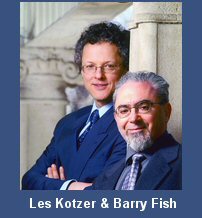
Les&BarryBy Les Kotzer and Barry Fish, The Wills Lawyers

Special to the Financial Independence Hub

It’s not as if Kayla and her three brothers had always gotten along with each other; but when Dad’s health started to go downhill, all four siblings agreed amongst themselves that in Dad’s presence, they would never argue and would never speak of sickness or death. All they agreed to speak of in his presence was the upbeat, the comical, only those special warm subjects that make people happy. Continue Reading…

TFSAs benefit everyone, not just the so-called “rich”

Canadian Tax-Free Savings Account concept word cloud

By Jonathan Chevreau

No surprise that the Broadbent Institute — a newish left-leaning think tank that counterbalances the rightish Fraser Institute — has concluded in its report Double Trouble that only the “rich” would benefit from the promised doubling of annual contribution limits for Tax-free Savings Accounts (TFSAs.)

You can read the Financial Post’s front page story by Garry Marr (aka @DustyWallet on Twitter) here and the Globe’s version here.

I was particularly interested in the CBC website’s coverage, and especially the almost 900 reader comments that have been piling on. For instance, one reader said:

What was the big surprise here? you need money to make it?

Or this:

The government doesn’t lose anything. The NDP lose votes. The TFSA is one of the few programs the average guy and gal can use. The NDP should be all over the TFSA and tell Canadians how they would make it better faster. This is really bad electioneering on their part. The NDP should be trying to convince the public TFSA were their idea.

Continue Reading…