Tag Archives: Financial Independence

FindependenceHub.com turns 2 today

depositphotos_114420670_s-2015It’s hard to believe, but the Financial Independence Hub (aka FindependenceHub.com) is now  two years old, a veritable toddler!

We launched the evening of Nov. 3, 2014, several months after I declared my Findependence Day on May 20, 2014.

This is post number 802, which means we have more than exceeded our original goal of providing fresh content every day (Sundays excepted). While I try to write one or two blogs a week myself, this wouldn’t have been possible without the many guest contributors who have lent their time, energy and names to the project.

Thanks also to the early supporters of the Hub: you know who they are from the banner ads that provide a little operating cash and a lot of moral support.

Thanks too to the many individuals who registered on the site and subscribed to our daily news email. There is no charge for this service (that’s why we need some banners to defray costs): all that’s needed is to supply a valid email address.

What’s next? 

Continue Reading…

Financial Independence, Zen and the Art of Wealth

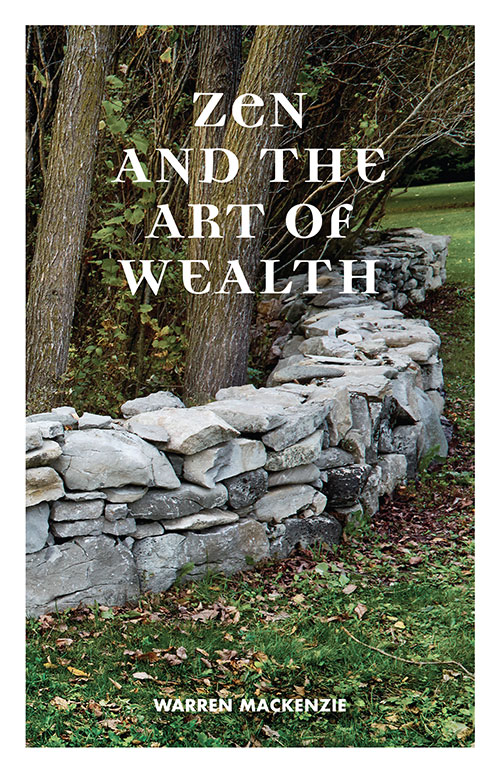
zenw_fr_500_773I was recently asked to review a new book, Zen and the Art of Wealth, by Warren MacKenzie. It’s the story of two friends who chat while one helps the other build his drystone wall.

It’s a good book and reminded me of some important life lessons that I had forgotten over the years. The book also triggered some memories about how I was first exposed to the world of Zen.

My first exposure to Zen was as a child, when I watched the TV show “Kung Fu” starring David Carradine as Kwai Chang Caine. In the first episode, Caine is accepted for training at a Shaolin monastery, where he grows up to become a Shaolin priest and martial arts expert. Caine fights for justice, protects the underdog and has a strong sense of social responsibility, something that is sadly lacking today. Flashbacks were often used to reveal specific lessons from Caine’s childhood training in the monastery, from his teachers: the blind Master Po and Master Kan.

I loved the lessons from Caine’s training in the monastery and those lessons have stuck with me for some reason over the years: Continue Reading…

Can’t retire? Semi-retirement is more fun anyway!

otm-boomers-181016_frame_704
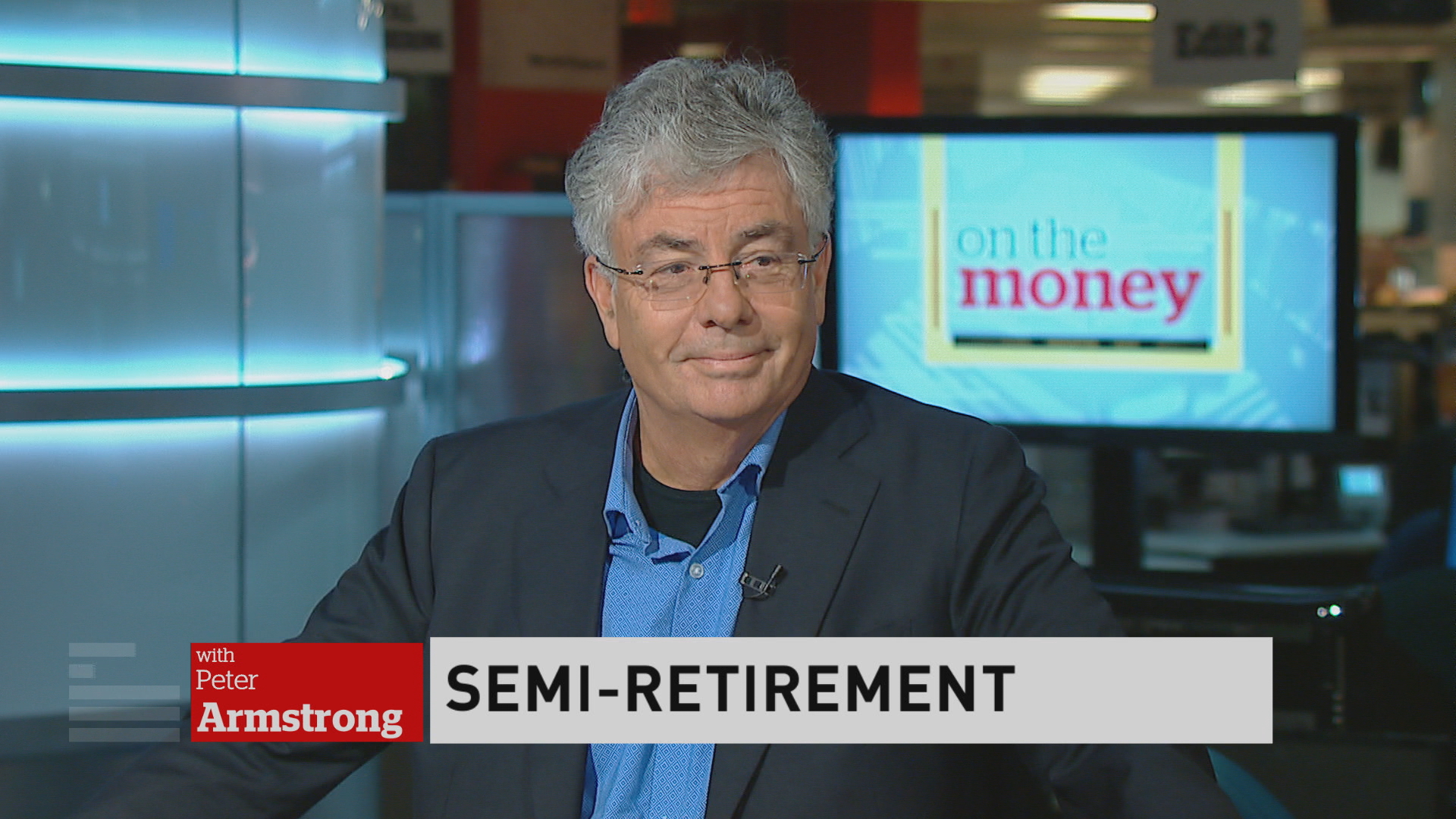
Jon Chevreau on Peter Armstrong’s On the Money: CBC.ca

My recent blogs on Semi-Retirement seem to have struck a chord.  After I wrote this online piece for MoneySense.ca: Semi-Retirement is the Future (and a version here on the Hub, under the headline The Next Boomer Wave: Semi-Retirement), I was interviewed by Peter Armstrong at CBC TV’s On the Money Show.

The context of the CBC’s Tips for Boomers segment was in part my new book Victory Lap Retirement, written with Mike Drak, who describes it as a “retirement book about NOT retiring.” The first of several excerpts ran in the Financial Post on Monday.

aep113km
CBC’s Peter Armstrong (Twitter.com)

After the CBC segment aired, Peter published his own blog covering similar territory, which you can find under the headline You’re Never Going to Retire — and Here’s Why. He picked up on my statement that the Millennials are going to live a long time and therefore will have an 80-year investment time horizon. I mentioned that a few weeks ago, when I gave a talk to T.E. Wealth in Ottawa about financial advice for Millennials.

Long-lived Millennials need to be mostly in stocks

Continue Reading…

Retireby40’s take on Semi-retirement and Victory Lap Retirement

joeudo
Joe Udo of Retireby40.org

By Joe Udo, Retireby40.org

Special to the Financial Independence Hub

It might be surprising to new readers of Retire by 40 that I don’t believe in the traditional definition of retirement.

Yes, the site is titled Retire by 40, but I really meant Semi-Retire by 40. The idea is to leave the stressful corporate job life and continue to work part-time on something I enjoy. I don’t want to spend every day lounging by the pool or golfing at the country club. That sounds nice, but I’d be bored out of my mind in about three days! Full retirement can wait until I’m 70.

The problem is Semi-retire by 40 just doesn’t have the same impact as Retire by 40. There wasn’t a good word to describe what I was aiming for … until now. Mike Drak and Jonathan Chevreau’s new book Victory Lap Retirement describes exactly the lifestyle I wanted when I started blogging.

What is a Victory Lap?

The following paragraph from the book explains it perfectly: Continue Reading…

Starting is Hard, Doing it is Easy: 9 ideas to get you started

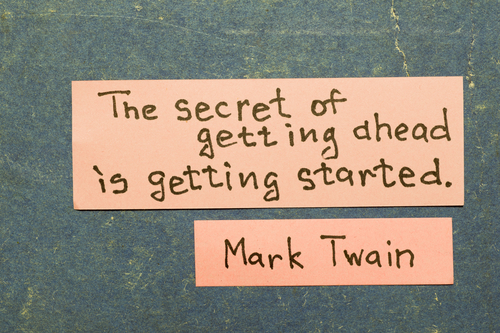
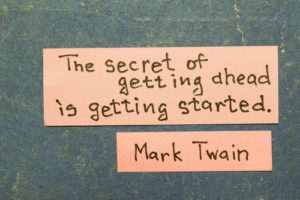
The secret of getting ahead is getting started - famous American writer Mark Twain quote interpretation with pink notes on vintage carton board

Starting is hard.  Doing is easy.  Even when it comes to the hardest things, starting is harder than actually doing the hard thing.

For the most important things, or the things where we have the most to gain, starting is the hardest thing.

If things are really easy to do, if they’re important, starting is hard.

Why is that?  Maybe we’re afraid of the consequences if we fail.  Maybe we’re afraid of the consequences if we succeed. After all, what would we fret about all day if all our “to do’s” were done?  Who knows where or why but as the proverb goes, “there is an enemy within.”

And if this enemy shows itself in areas which are important or where we have the most to gain or lose – it probably manifests itself as often as ever when it comes to the following:

  • relationships
  • personal fulfillment
  • exercise
  • diet
  • finances

These are all big areas where we could stand to gain a lot if we get things right!  And the longer we delay starting, the more it stresses us out – we sit in a paralytic trance, waiting for inspiration to hit us and it just never happens.

Perhaps breaking larger goals into smaller, more tangible steps might help, or at least it might trick you into doing something that sends you in the direction of progress.  While we don’t proffer advice in many of the above areas and in fact struggle as much as anyone,  we think the following smaller steps might help get you on the road to sorting out your financial house.  We’re sure there are more but here’s 9 to start:

9 smaller ideas to move you towards getting your finances in order

1.) Make sure you have an up-to-date Will, Power of Attorney designation and Health Directive.

2.) If you have people that depend on you, get insurance to make sure they’re taken care of if something happens to you – term life insurance is relatively cheap and pricing is fairly standardized.

3.) Pledge allegiance to the following mantra: “By far the most important thing I can do to ensure long term financial success is to live within my means.”

4.) If you have children, be sure to open a Registered Education Savings Plan (RESP) and invest enough to get the maximum Canadian Education Savings Grant (CESG)….free money from the government (need we say more?).

5.) If your company has a retirement savings program with matching contributions, it’s usually a good idea to contribute enough to get the maximum match.

6. ) Open a Tax Free Savings Account (TFSA).

7.) If you have investments, grab a pen and piece of paper and write down what you’re invested in, why and how much you pay annually in fees.

8.) If you can’t do number 7 without turning on your computer, educate yourself – we recommend the following Sensible & Concise Investment Books

9.) If these steps still seem overwhelming, find someone qualified and independent to help you.

Postscript –  if you’re interested in digging a little further into the enemy within, please read Steven Pressfield’s The War of Art.  He calls the enemy Resistance and it’s very real and very, very scary…..

graham-bodelGraham Bodel is the founder and director of a new fee-only financial planning and portfolio management firm based in Vancouver, BC., Chalten Fee-Only Advisors Ltd. This blog is republished with permission: the original ran late September here.