Tag Archives: Financial Independence

How buying a Home makes you Financially Independent

Home insurance concept and family security symbol as a bird nest shaped as a house with a group of fragile eggs inside as a metaphor for protection of residence or parenting.

By Jam Michael McDonald,  Zoocasa

Special to the Financial Independence Hub

Buying a home takes a lot of planning and can be an expensive endeavour. You have to think about your down payment, your mortgage and mortgage payments, your expectations on your space, your timeframe, your closing costs—the list is endless.

So if you’re spending a bunch of money, how can buying a home make you more financially independent?

First, change your perspective

Some investments are a lot clearer: put your money into this GIC and you’ll receive this return in this many days. It’s easy to see, easy to calculate, and easy to do.

Investing in real estate is an entirely different game, so you have to think of it differently. You’ll have initial costs, you’ll be forking out money, and you’ll feel kind of broke. And that’s okay. These “expenses” when buying a home should be looked at as part of the overall investment. There are some that are pure cost—home inspection, lawyer fees, other closing costs—but they all allow the transaction to occur, and they’re not extravagant compared to the cost of the home.

Think of a real estate investment as long-term, not short-term; complex, not simple; hands-on, not passive.

You can make real decisions about your home to save you money

As a renter, have you ever received your hydro bill and become really agitated? It’s a common experience: you can’t control your heat (or you only can to a certain extent), so why should you pay for something you can’t control?

As a homeowner, you can make changes that could save you money, with some even boosting the value of your home. You can put in energy-efficient appliances, or replace the windows, saving you on your heating bill while improving the look and value of your house.

The flexibility to cut costs that you possess as a homeowner is far greater than as a renter.

With the right home, you can rent to tenants

Continue Reading…

Withdrawing from your Retirement Nest Egg

MarieEngen
Marie Engen, Boomer & Echo

By Marie Engen, Boomer & Echo

Special to the Financial Independence Hub

You’ve been saving all your working life and now that you have entered your retirement phase, it’s time to start drawing from your savings. In some circumstances there will be people who will be able to live off their dividends and interest alone. Most retirees, however, will have to start spending the money they have saved.

Once you have decided on the amount of income you need annually for your retirement lifestyle and determined how much of it will come from your guaranteed pensions, the remainder must be withdrawn from your nest egg.

You may have multiple accounts and both registered and unregistered savings. Your investments could be stocks and bonds, ETFs and/or mutual funds. You might be in a position where you must withdraw a minimum amount from your RRIFs.

This example will show you how you can manage your retirement withdrawals, taking the total of all your accounts as a whole. It assumes dividends and interest will be reinvested, but you can use them as part of your yearly cash allotment if you so choose. You just have to adjust as necessary.

A model for retirement withdrawals

Meet newly retired Rodney and Pamela O’Brien. They have a retirement nest egg totalling $500,000. Continue Reading…

Mother’s Day and your future role as Mom’s money manager

Depositphotos_6869353_s-2015By Josh Miszk, Invisor.ca

Special to the Financial Independence Hub

Most of us will care for our aging moms at some point in our lives, but helping our parents maintain their independence as they grow older can be a juggling act, particularly when it comes to their finances.

Before we are thrown into the overwhelming responsibility of managing Mom’s investments, it’s important to do some advance planning. For many, starting the conversation with Mom is the biggest hurdle, and what better time than on Mother’s Day?

Whether it’s day-to-day or long-term investments, here are a few things to consider when helping Mom with her finances:

Get a holistic view

Start by getting a complete picture of Mom’s current and expected cash flow needs. Look at her sources of income (like pension and CPP) and her living expenses to get a better idea of any cash shortfall her investments will need to cover.

Next, get a holistic view of her investment portfolio, including what investments she holds and where. Continue Reading…

You say you want a (Blockchain) Revolution?

WP_20160505_17_41_31_Pro
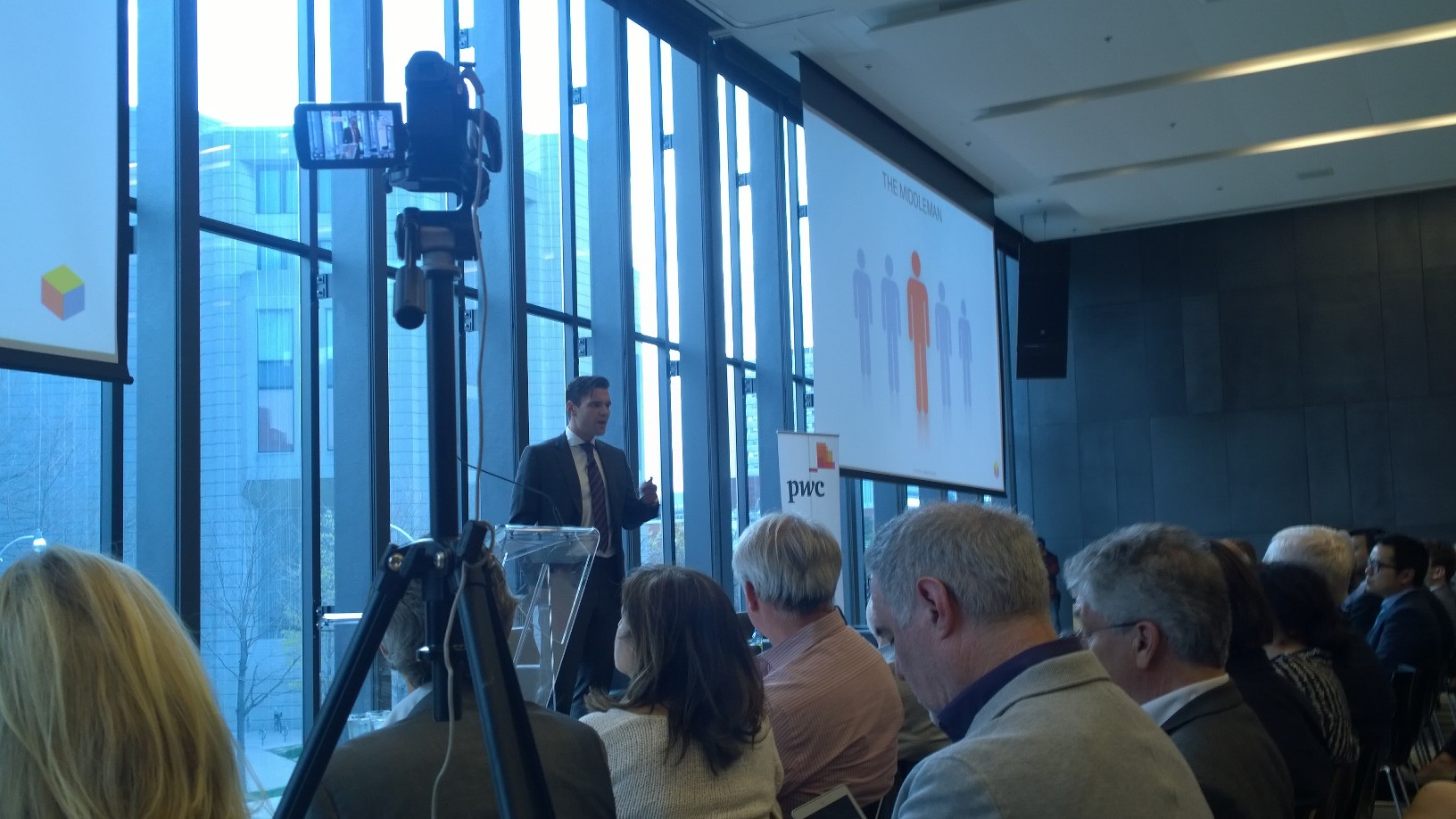
Alex Tapscott at Rotman School Thursday evening

My latest Financial Post article can be found by clicking the highlighted text here: Bitcoin and Blockchain could be the start of a revolution bigger than the Internet itself.

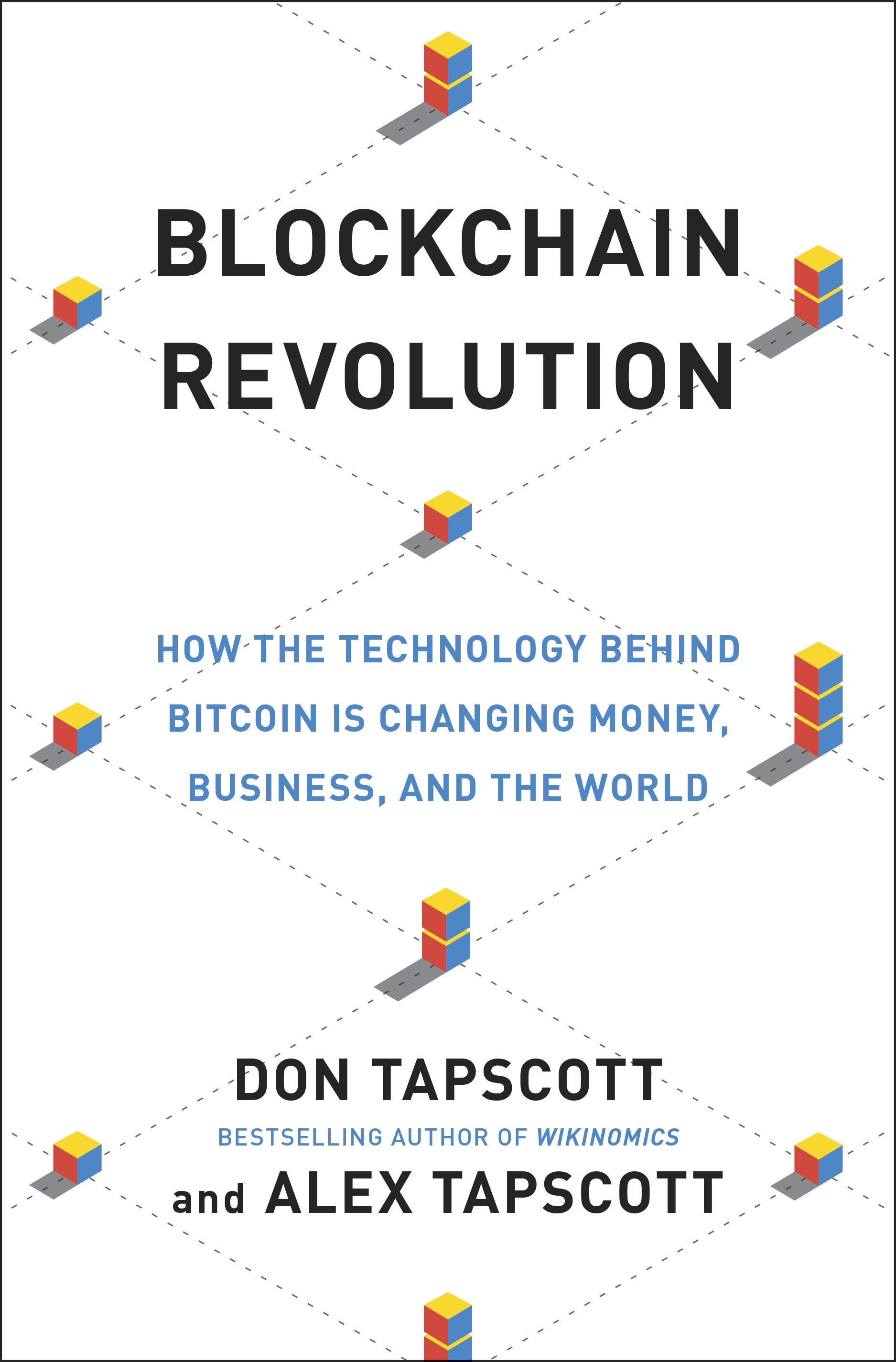
My actual words in the lead to the piece were “as big or bigger” but no matter. That’s the gist of a new book by author and technology guru Don Tapscott, and his investment banker son, Alex.

The duo launched their co-authored new book, Blockchain Revolution, to a standing room only audience at Toronto’s Rotman School of Management on Thursday evening. It was the first stop in a ten-city book tour.

9781101980132_Blockchain_final process.indd Blockchain is the Trust Code

The famous Bitcoin is based on blockchain, which meant that for the first time in history two or more parties don’t need to know or trust each other in order to transact or do business online. They don’t need powerful intermediaries because “Trust is programmed into the essence of the technology so blockchain is the trust code.” The book (shown to the right) says big banks and some governments are implementing blockchains as distributed ledgers to speed transactions, improve security and lower costs. These ledgers reside on millions of computers provided by volunteers, so there is no central database that can be hacked. Using heavy cryptography, transactions are time-stamped and validated by a community of miners who are rewarded with more bitcoins. Every time a new block is added to the chain, it must refer to a previous block to be valid: hence the term blockchain.

Real FinTech is based on Blockchain

Continue Reading…

Debuting today: my new “Retired Money” blog at MoneySense.ca

happy businessman with passive incomeToday and every two weeks or so, MoneySense.ca will be running a new online column by me they’re calling “Retired Money.” You can find the first instalment by clicking on this highlighted headline: Ways to Pay Less Tax in Retirement.

This first piece looks at some tax credits that working folk will probably be unfamiliar with: The Age Credit for those who are 65 with relatively low incomes, and the Pension Credit.

So what do we mean by “Retired Money?” What happened to Findependence and Victory Lap? Well, those will remain a focus of this website and my forthcoming book with Mike Drak: Victory Lap Retirement. Here’s how MoneySense bills the new column:

Retired Money …. will explore smart ways to draw down income in retirement and semi-retirement. 

Here at the Hub, we usually house topics like this under the Decumulate & Downsize section. A typical guest blog will be something from Doug Dahmer, such as Debt is a Four-Letter Word during your drawdown years.

MoneySense Portfolio Event this Saturday

Going back to MoneySense, this coming Saturday morning, May 7th, MoneySense is hosting a special event. Continue Reading…