Posted By
  One of the key elements of the post-corporate Victory Lap Retirement lifestyle is self-employment. If this begins in your late 50s or early 60s, you’ll be living on multiple streams of income. Some of it may be passive, such as pension income (I draw from two modest corporate pensions, for example) or non-registered investment income, but a big component is continued earned income.
If you are no longer a salaried employee, it’s probably best to set up a sole proprietorship or even incorporate. I’ve always run a corporation alongside salaried employment and have found that once you’re fulltime in business for yourself, It’s hard to generate as much pre-tax income as a salaried corporate job does. However, there are significant compensations in time and flexibility, plus the net after-tax proceeds of self-employment are relatively more attractive than being a fully-taxed-at-source salaried employee.
One reason is the allowable deductions or “write-offs” for legitimate business expenses, which may include certain computer equipment, software and some services. Obviously you should consult with a tax professional and engage an accountant because you don’t want to trigger an audit from the Canada Revenue Agency. After all, it’s clear the new Liberal government regards self-employment with suspicion: my guideline is to “assume an audit” and act accordingly.
Time to upgrade equipment
I am writing this article on brand new equipment that replaces products that were as old as six years. My fiscal year-end is the end of May and it’s been a decent year revenue-wise, so it seemed like a good time to book some legitimate expenses. Those whose calendar year-end correspond with their fiscal year (i.e. Dec. 31st) would go through this process at the end the calendar year.
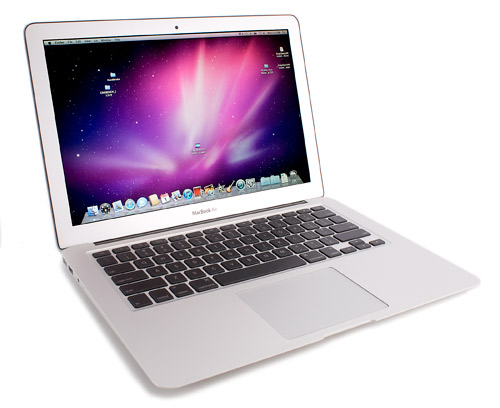 In my case, apart from the tax considerations of booking valid deductions, it really was time to upgrade the single most important business tool I use, which was an Apple MacBook Air.
After six years the machine had just about used up its storage and processing capacity and I had begun to lose significant chunks of time rebooting and closing applications. Continue Reading…